Ancient states and their civilization: Historical heritage
Ancient states are a significant foundation in human history. Detailed information about Egyptian, Mesopotamian and Indian civilizations.
Introduction
Antique states form an important foundation of human history and civilization. Their social, economic and cultural life remains a subject of numerous researches and studies even today.
This article provides detailed information about ancient states and their civilizations. In particular, important states such as Egypt, Mesopotamia and India are explained.
Ancient Egyptian Civilization
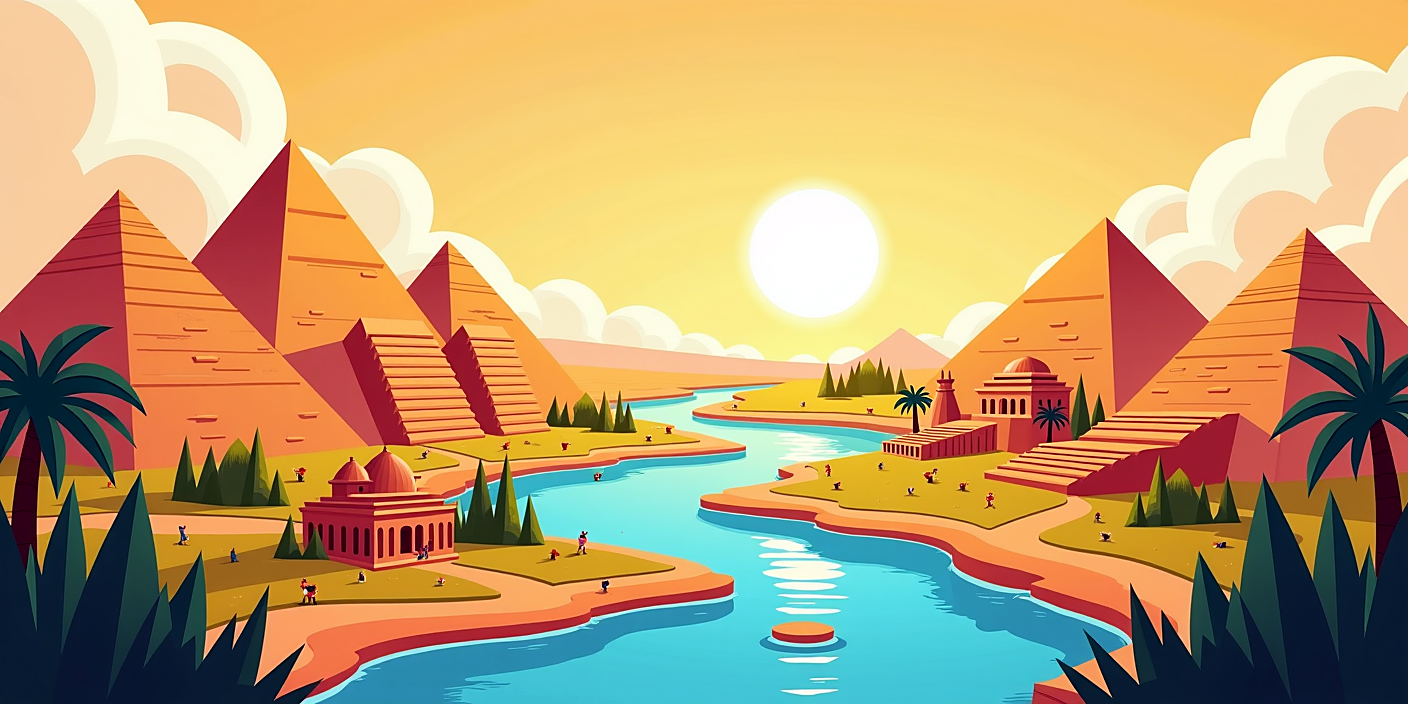
Ancient Egypt developed from 3000 BC onwards, forming its own unique civilization. Their religious beliefs, art and architecture have influenced many generations.
- Religious Beliefs: The Egyptians believed in multiple gods. Among their most famous deities were Ra, Osiris and Isis.
- Pyramids: The construction of Egyptian pyramids stands out for its architecture and engineering skills.
Mesopotamian Civilization
Mesopotamia, located in present-day Iraq, is one of the oldest civilizations in human history. This region was home to states such as Sumer, Akkad and Babylon.
- Writing System: The writing system created by the Sumerians played an important role in preserving historical events.
- Agriculture: The Mesopotamian population ensured economic stability through agriculture.
Ancient Indian Civilization
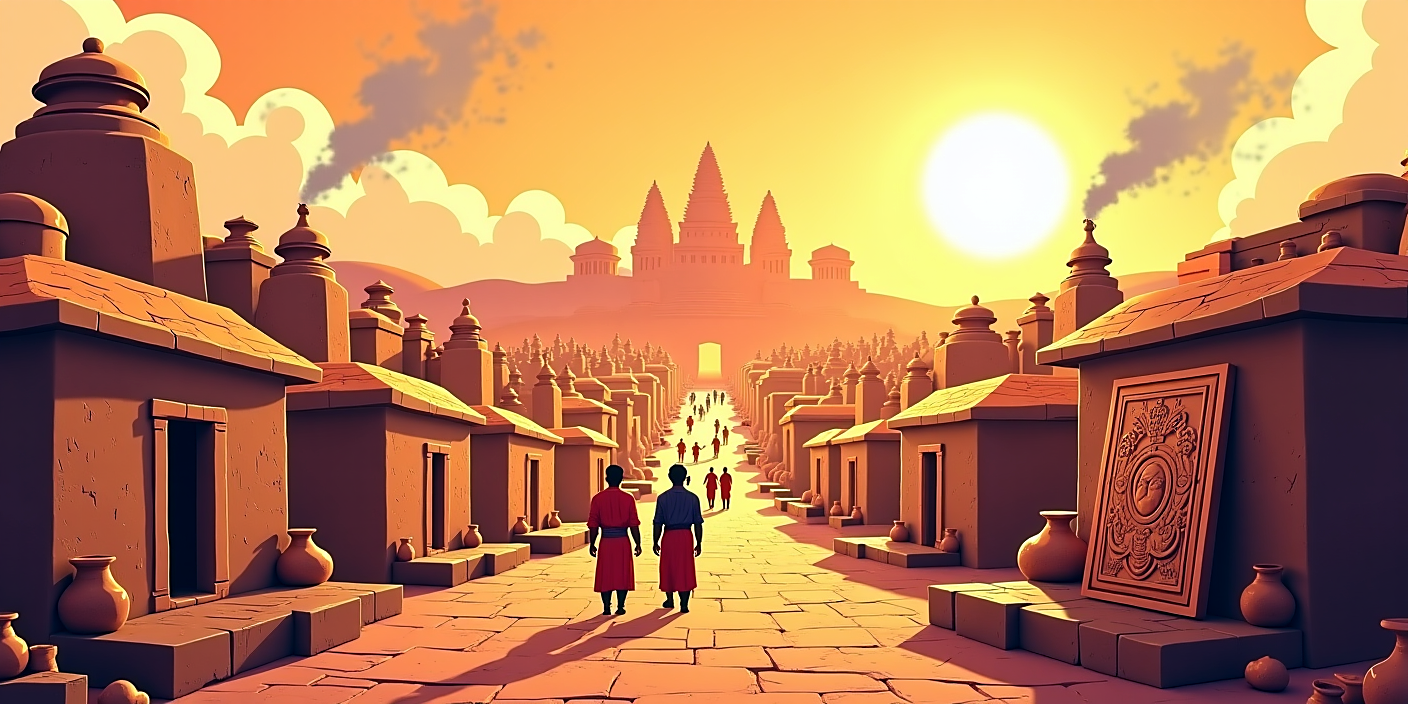
Ancient India, which developed from 2500 BC onwards, was considered one of the great centers of civilization and philosophy. Many religious and philosophical movements originated there.
- Vedic Texts: The Vedic texts passed down through generations represent the spiritual and philosophical heritage of India.
- Cities: Cities such as Harappa and Mohenjo-Daro exemplify an advanced city civilization for their time.
FAQ
When did ancient states emerge?
Ancient states emerged around 4-3 thousand years before Christ, in regions such as Egypt and Mesopotamia.
What is the most famous architecture of Ancient Egypt?
The most famous architecture of Ancient Egypt are pyramids which were built as tombs for pharaohs.
What are the main characteristics of Mesopotamian civilization?
Mesopotamian civilization stands out with writing, agriculture, city development and religious beliefs based on multiple deities.
What are the key texts of Indian civilization?
The key texts of Indian civilization include Veda and Upanishads which contain spiritual and philosophical knowledge.
How did ancient states interact with each other?
Ancient states had interactions through trade, diplomacy and wars. These interactions also led to cultural influences on one another.
Conclusion
Ancient states and their civilizations are of great importance for human history. They still serve as a basis for numerous researches and studies today. These civilizations developed in their own time and had a significant impact on future generations.