Architectural trends in rural areas and their significance
Rural architecture trends offer ecological and green solutions that improve residents' quality of life.
Trends in Rural Architecture
New trends are emerging in the field of architecture in rural areas. These trends are significant not only aesthetically, but also functionally and ecologically. Architects are proposing innovative solutions to create comfortable and modern facilities for residents living in rural areas.
This article examines the main aspects of architectural trends in rural areas and their importance.
Eco-friendly Architecture
Trends in eco-friendly architecture are becoming increasingly popular in rural areas. In this approach, harmony with nature and energy efficiency take a central place.
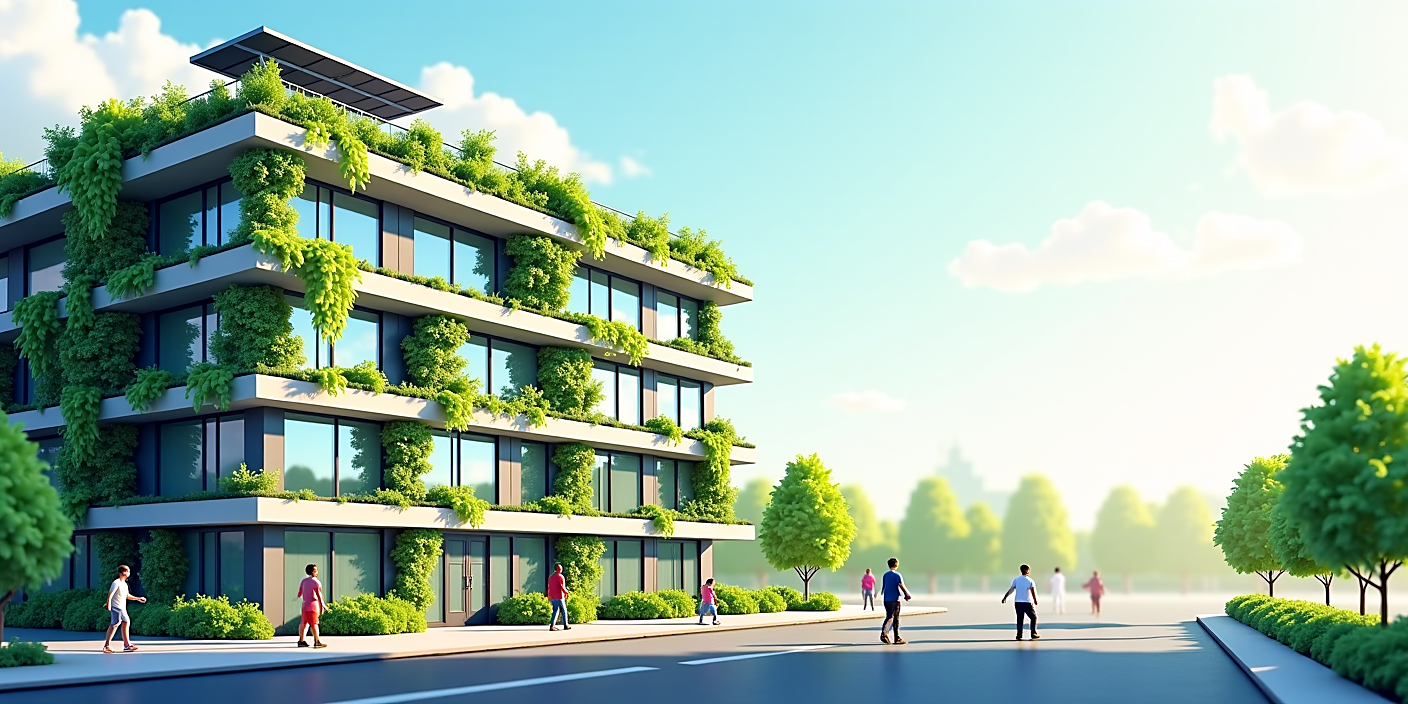
- Renewable Energy Sources: Technologies such as solar panels and wind turbines are widely used in rural homes.
- Natural Materials: Using natural materials like wood, stone, and soil reduces the ecological footprint of architectural objects.
Creating Green Spaces
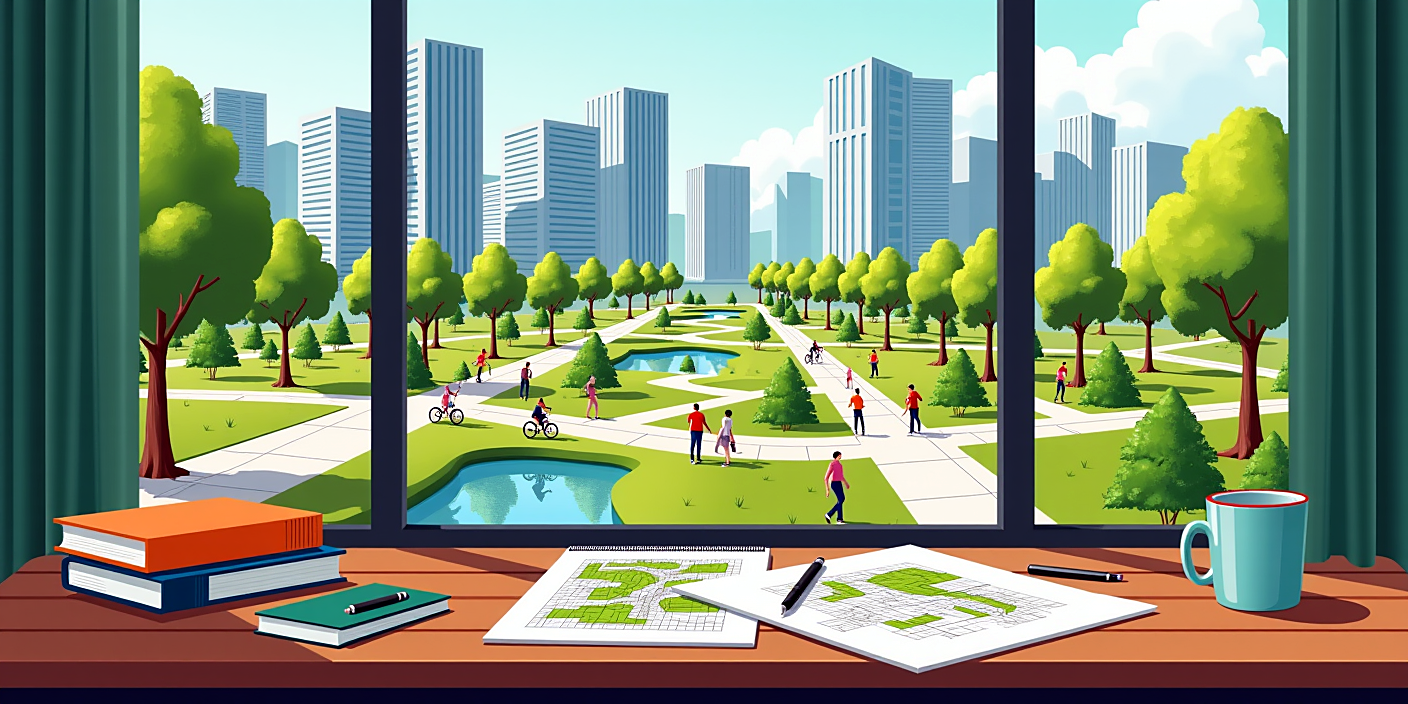
The trend to create green spaces is also spreading widely in rural areas. This is not only an aesthetic appearance but also important for public health.
- Parks and Gardens: Creating open spaces helps strengthen social connections among residents.
- Green Walls: Such walls not only increase the energy efficiency of buildings, but also improve air quality.
Rural Architecture Traditions
Traditional architecture in rural areas has unique characteristics. This trend plays an important role in preserving local culture.
Using local materials, preserving traditional styles and adding modern technologies make rural architecture even more attractive.
FAQ
What changes is rural architecture facing?
Rural architecture is facing changes oriented towards ecological and green trends, which ensure harmony with nature.
What is green architecture?
Green architecture involves the use of natural materials and renewable energy sources to increase energy efficiency and reduce environmental impact.
Why is traditional architecture important?
Traditional architecture plays an important role in preserving local culture and ensuring the uniqueness of rural areas.
What benefits do green spaces bring to rural areas?
Green spaces are significant for improving public health, developing social connections, and enhancing the ecological environment.
What materials does eco-friendly architecture use?
Eco-friendly architecture is based on using natural materials such as wood, stone, and soil.
Conclusion
Rural architecture trends include ecological, green and traditional approaches. These approaches play an important role not only aesthetically but also in improving the quality of life for residents.
In the future, by developing these trends, rural areas can become even more attractive and comfortable.