Architecture and ecology: Ways to ensure compatibility
Architecture and ecology compatibility protects the environment and ensures sustainable development. Learn about mutual influence and approaches.
Architectural and ecological compatibility
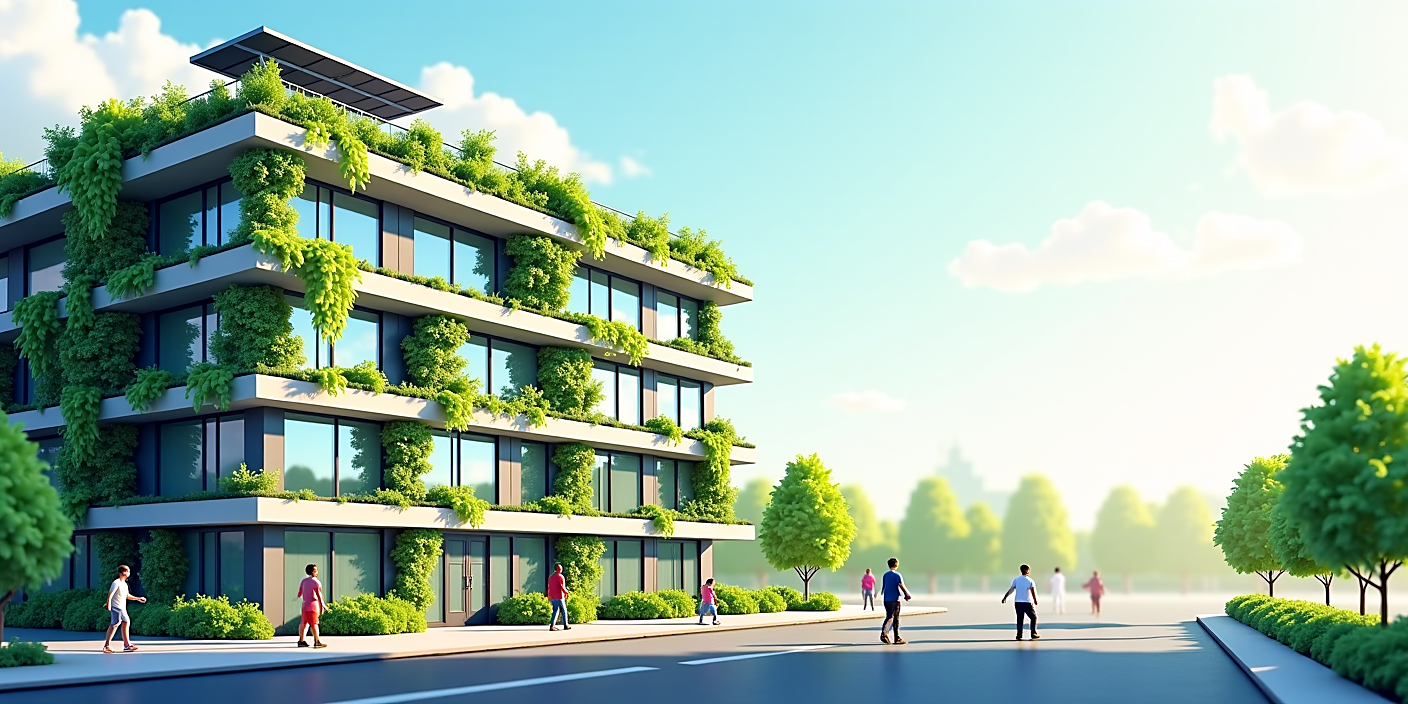
Ensuring compatibility between architecture and ecology is of great importance in modern construction processes. These processes are aimed at development in harmony with nature, using sustainable resources and protecting the environment.
This article provides information about the relationship between architecture and ecology, areas that need special attention, and sustainable project approaches.
Interaction between Architecture and the Environment
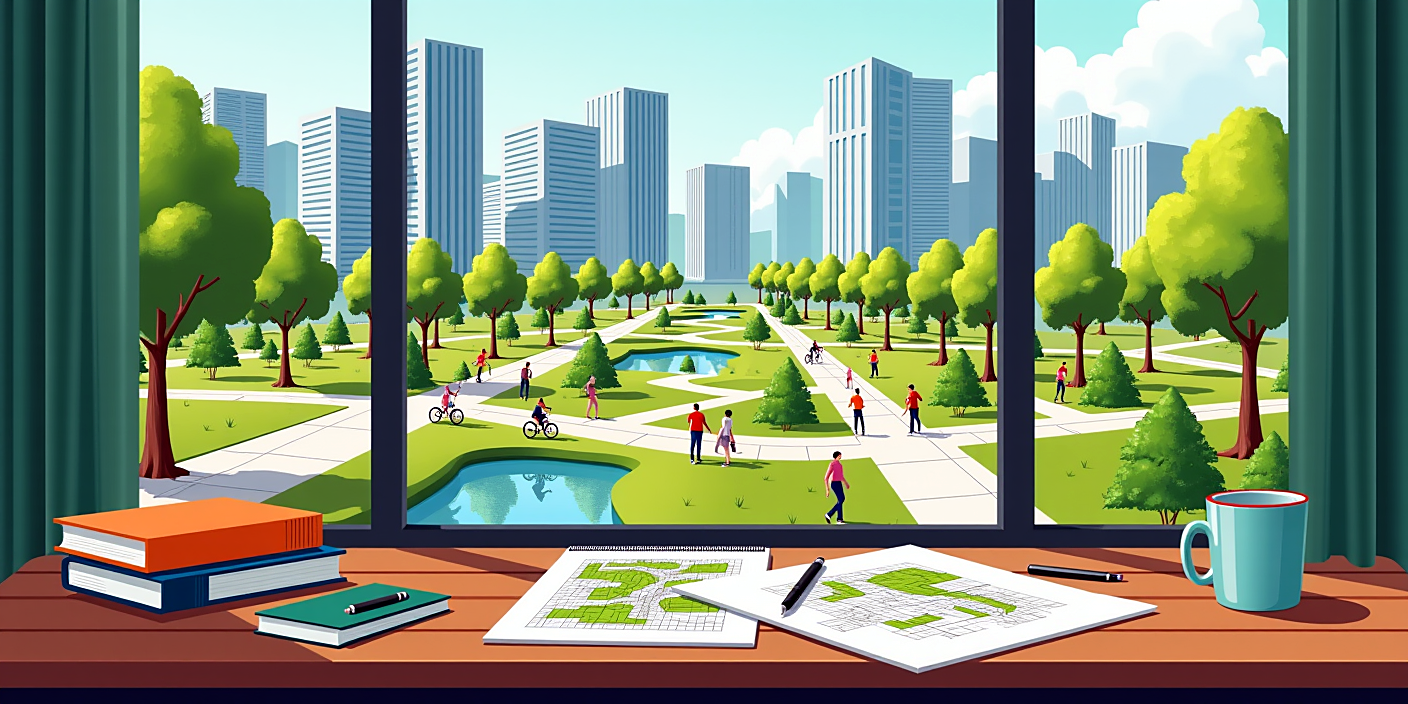
Architecture is also one of the main aspects of human activity. However, its impact on the environment can lead to many problems. Therefore, it is important to consider ecological aspects in architectural projects.
The following factors illustrate the interaction between architecture and the environment:
- Energy efficiency
- Use of renewable energy sources
- Sustainable development of rural and urban infrastructure
Sustainable Architectural Approaches
Sustainable architecture considers efficient use of resources on land, water, and air while taking into account ecological aspects. These approaches include the following:
- Use of natural materials
- Increase in energy efficiency
- Application of technologies that do not harm the environment
In addition, sustainable architectural projects should also be socially beneficial. They must ensure comfortable and healthy living conditions for people.
FAQ
What is architectural and ecological compatibility?
Architectural and ecological compatibility refers to ensuring harmony between construction processes and the environment. It includes sustainable development and environmental protection.
What materials does sustainable architecture use?
Sustainable architecture aims to use natural, recyclable, and environmentally safe materials. These include wood, stone, and eco-friendly concrete.
How can energy efficiency be improved?
To use energy efficiently, it is necessary to use energy-saving devices, insulation materials, and renewable energy sources.
What are technologies that do not harm the environment?
Eco-friendly technologies include innovative solutions such as solar panels, wind turbines, and energy-efficient construction methods.
Why are sustainable project approaches important?
Sustainable project approaches help create a comfortable living environment for future generations by ensuring environmental protection and efficient use of resources.
Conclusion
Architecture and ecology compatibility is of great importance for modern society. Through sustainable approaches, we not only protect the environment but also create comfortable living conditions for people. For this reason as well, it is necessary to take into account ecological aspects in the field of architecture.