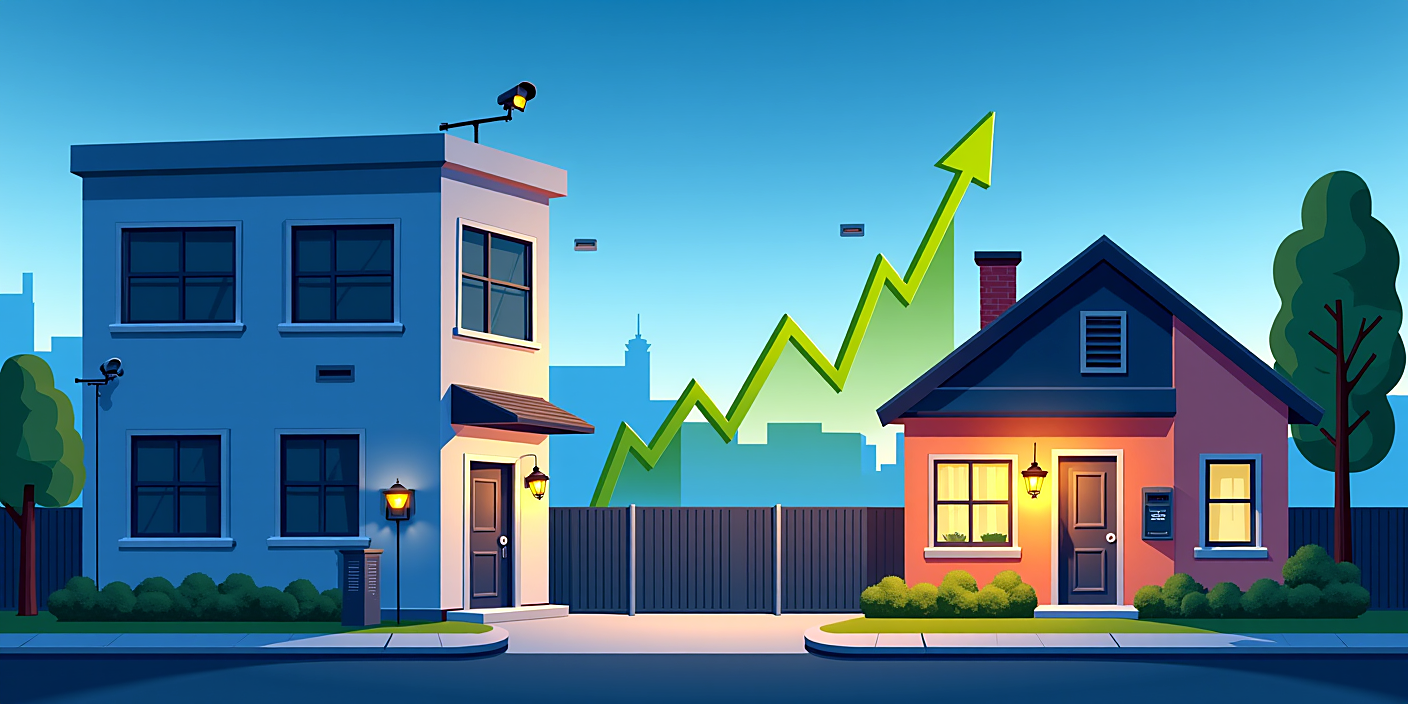
Energy efficiency of buildings: Evaluation process and criteria
Evaluating the energy efficiency of buildings, reducing environmental impact and increasing work efficiency is important. Find out!
A unique understanding of building energy efficiency
Evaluating the energy efficiency of buildings is important in order to reduce their environmental impact and increase operational efficiency. This process includes factors such as a building's energy consumption, thermal insulation, use of energy sources, and many other variables.
Through this evaluation, strategies can be developed to ensure energy efficiency during construction. Evaluating the energy efficiency of buildings not only brings economic benefits but also has a positive impact on the environment.
Evaluation criteria
There are several criteria for evaluating the energy efficiency of buildings. They include:
- Thermal insulation: The degree to which insulating materials are used in walls, windows and floors of a building.
- Energy sources: Which energy sources are used, for example renewable energy sources.
- Energy control: Systems that monitor and manage the energy consumption of buildings.
The energy efficiency indicator is calculated based on these criteria. This indicator plays an important role in evaluating a building's overall energy consumption.
Evaluation process
The evaluation process for assessing a building's energy efficiency consists of several stages, including the following:
- Data collection: Information about a building's energy use and heating and cooling systems is gathered.
- Analyzing: Energy efficiency indicators are calculated based on collected data.
- Drawing conclusions: Recommendations for improving the energy efficiency of buildings are developed based on results.
This process helps identify necessary measures to improve a building's energy efficiency.
FAQ
How long does an evaluation process take?
The assessment process can last several days or weeks, depending on the complexity of the building.
Which criteria are important for evaluating energy efficiency?
Thermal insulation, energy sources and energy control criteria are considered most essential.
How do renewable energy sources increase a building's energy efficiency?
Renewable energy sources such as solar power reduce the energy costs of buildings and decrease their environmental impact.
How can you improve a building's energy efficiency?
You can improve it by enhancing insulation, using energy-efficient equipment and implementing energy management systems.
How are evaluation results used?
The results are used in the development of recommendations to improve the energy efficiency of buildings.
Conclusion
Evaluating building energy efficiency plays an important role in solving environmental problems and reducing energy costs. Through this process, strategies can be developed aimed at improving building efficiency.