Energy Sources: How Do They Change the Future?
Energy sources are important for humanity. Learn about their advantages, benefits and disadvantages.
General information about energy sources
Energy sources are the sources of energy needed for human activity. They can be produced naturally or artificially. Each energy source has its own characteristics, and their use and profitability may vary.
The main types of energy sources today include fossil fuels, renewable energy sources, nuclear energy, and other alternative sources.
Fossil Fuels
Fossil fuels are organic substances that have accumulated underground over millions of years. They are mainly divided into three categories: oil, natural gas, and coal.
These energy sources have advantages and disadvantages:
- Advantages: high energy density, easy availability, and economic efficiency.
- Disadvantages: damage to the environment, depletion of natural resources, and causing climate change.
Renewable Energy Sources
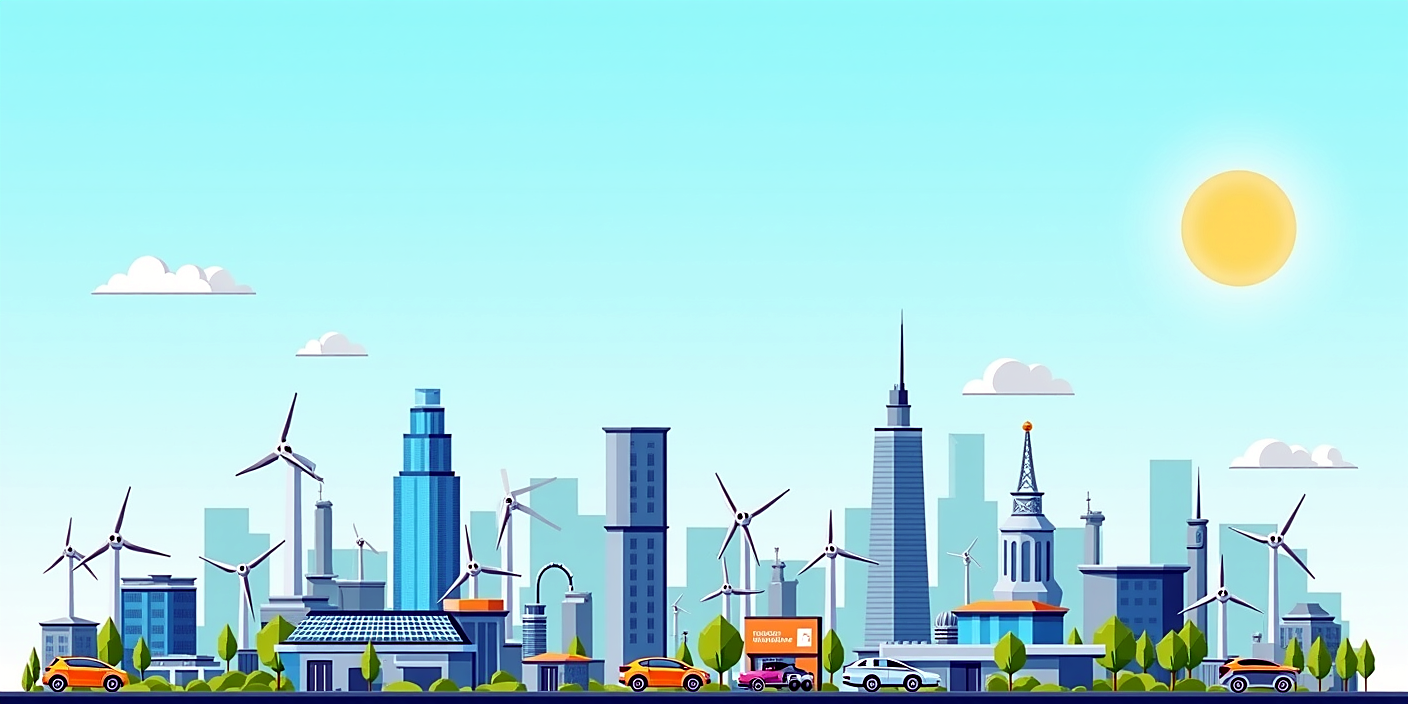
Renevable energy sources are energies obtained from natural processes. They are divided into the following main types: solar energy, wind energy, hydropower, and bioenergy.
These sources have the following characteristics:
- Sustainability: their existence is unlimited and they are constantly renewed.
- Environmental impact: renewable sources cause less damage to the environment.
Nuclear Energy
Nuclear energy is energy generated during the process of splitting atomic nuclei. This energy is used in many countries for electricity generation.
We examine the advantages and disadvantages of nuclear energy:
- Advantages: ability to produce large amounts of energy and low carbon emissions.
- Disadvantages: radioactive waste, safety issues, and high construction costs.
FAQ
How do renewable energy sources work?
Renevable energy sources operate by obtaining energy from natural processes such as sunlight, wind or water flow. This energy is converted into electrical energy with the help of special devices.
What impact do fossil fuels have on the environment?
Burning fossil fuels leads to emissions of carbon dioxide and other harmful gases into the atmosphere, which causes climate change and damages the environment.
Is nuclear energy safe?
The safety of nuclear energy depends largely on technologies used and safety measures. If properly controlled, it can be safe, but there is a risk of nuclear accidents.
How widespread are renewable energy sources?
Renewable energy sources are increasingly expanding. Many countries are investing in the development of these energy sources, as they are considered a stable and environmentally clean energy source.
What does the future look like for energy sources?
In the future, an increase in renewable energy sources is expected. Humanity is paying more attention to these resources to reduce climate change and ensure sustainable development.
Conclusion
Energy sources are of great importance for human development and life. Along with their capabilities and shortcomings, fossil fuels and nuclear energy, renewable energy sources are expected to be the most important source for future sustainable development.