Golden Age - Culture and History of the Timurid Era
Golden Age - The Timurid period has historical significance. Achievements were made in the fields of culture, art and science during this time.
Introduction
The Golden Age - the Timurid period, represents a historically significant era in Central Asia and surrounding regions. This period was governed by Tamerlane and his descendants at the end of the 14th century and beginning of the 15th century.
The Timurid Empire is famous for its achievements in culture, science, and art, and this period is considered one of the most important stages in Uzbek history.
Characteristics of the Timurid Period
The Timurid period stands out with several key characteristics:
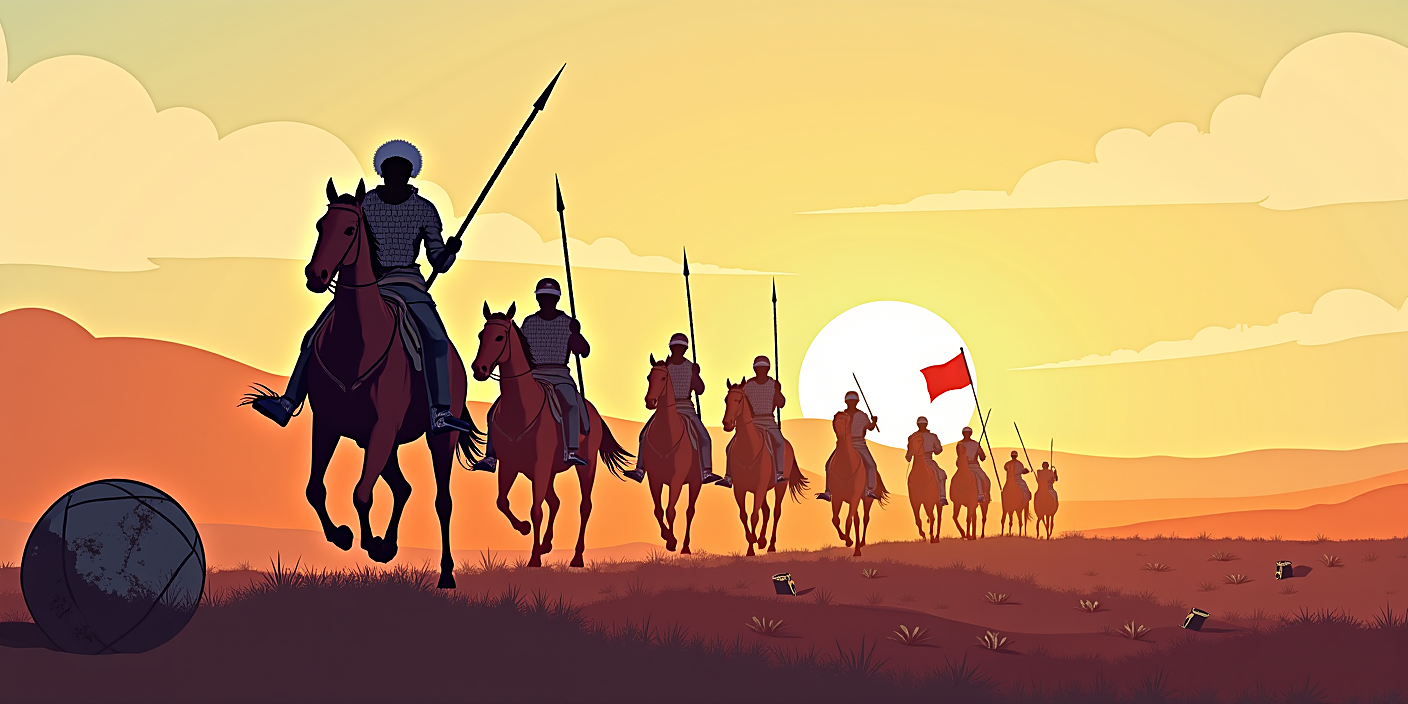
- Military campaigns: Tamerlane conquered many countries through his military strategy.
- Rise of culture and art: Literature, music, and other forms of art flourished during this time.
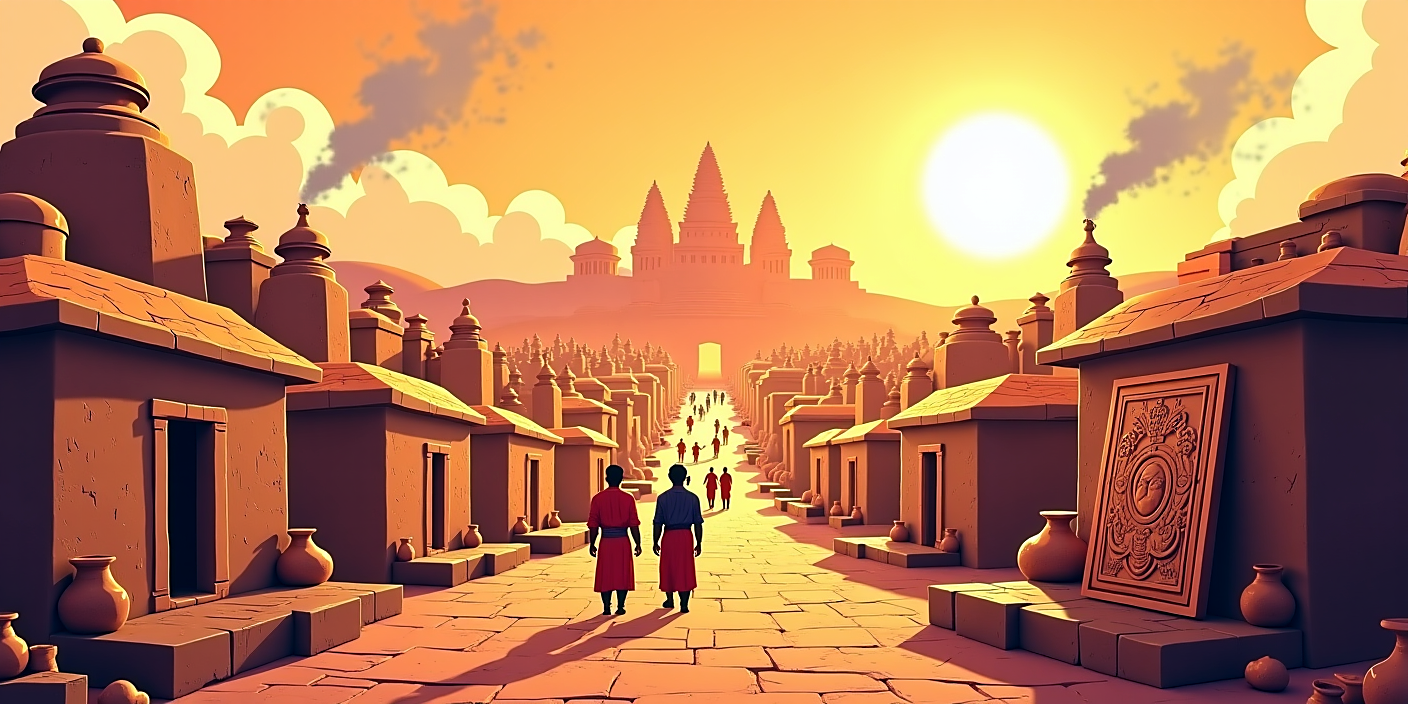
- Achievements in architecture: Many historical monuments were built in cities such as Shahrisabz, Samarkand, and Bukhara.
During the Timurid period science also developed. Figures like Alisher Navoiy and Giyosiddin Koshif made significant contributions to literature and science.
Tamerlane and his legacy
Tamerlane, born in 1336, is famous for his military skills and strategic thinking. He holds an important place in history due to the achievements he made in creating an empire.
During his reign, he managed several countries successfully unifying them. The Timurid Empire stands out with its strong army and economic development.
Culture during the Timurid period
During the Timurid era culture and art were very active. Many famous poets, scholars, and artists emerged in this time.
- Alisher Navoiy: The founder of Uzbek literature who created many works.
- Giyosiddin Koshif: A well-known astronomer and mathematician known for his scientific work.
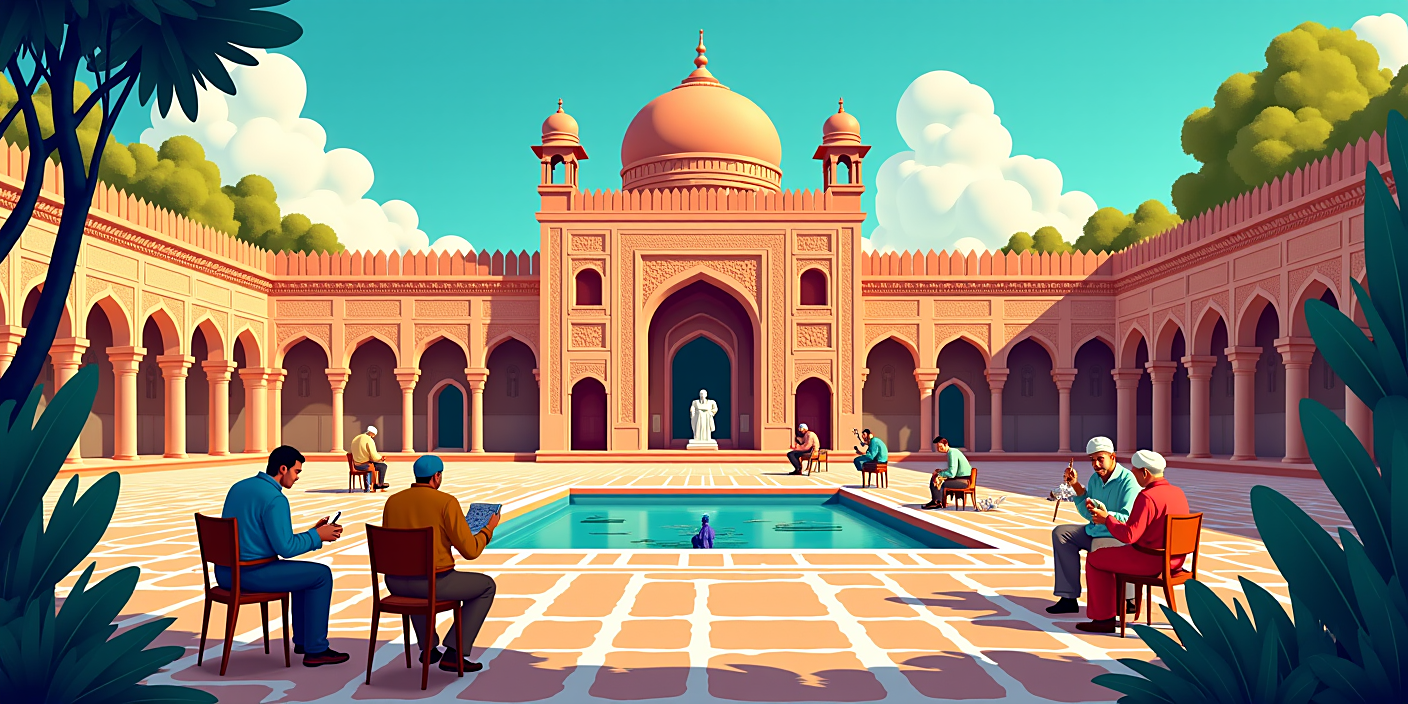
In addition, numerous achievements were made in architecture and art during the Timurid period. Many architectural monuments were built in cities such as Samarkand and Bukhara.
FAQ
When was Tamerlane born?
Tamerlane was born in 1336.
What are the main characteristics of the Timurid period?
The main features include military campaigns, development of culture and art, and architectural achievements.
Who is Alisher Navoiy?
Alisher Navoiy was a poet who wrote many literary works and is considered the founder of Uzbek literature.
Which cities developed during the Timurid period?
Cities such as Samarkand, Bukhara, and Shahrisabz developed during the Timurid era with numerous historical monuments being built.
When was the Timurid Empire established?
The Timurid Empire was formed at the end of the 14th century when Tamerlane came to power.
Conclusion
The Golden Age - the Timurid period holds an important place in the history of Central Asia. Great achievements were made in the fields of culture, art and science during this time.
This era, governed by Amir Temur and his descendants, is still remembered today for its historical and cultural significance.