Green architecture: An effective way to solve environmental problems
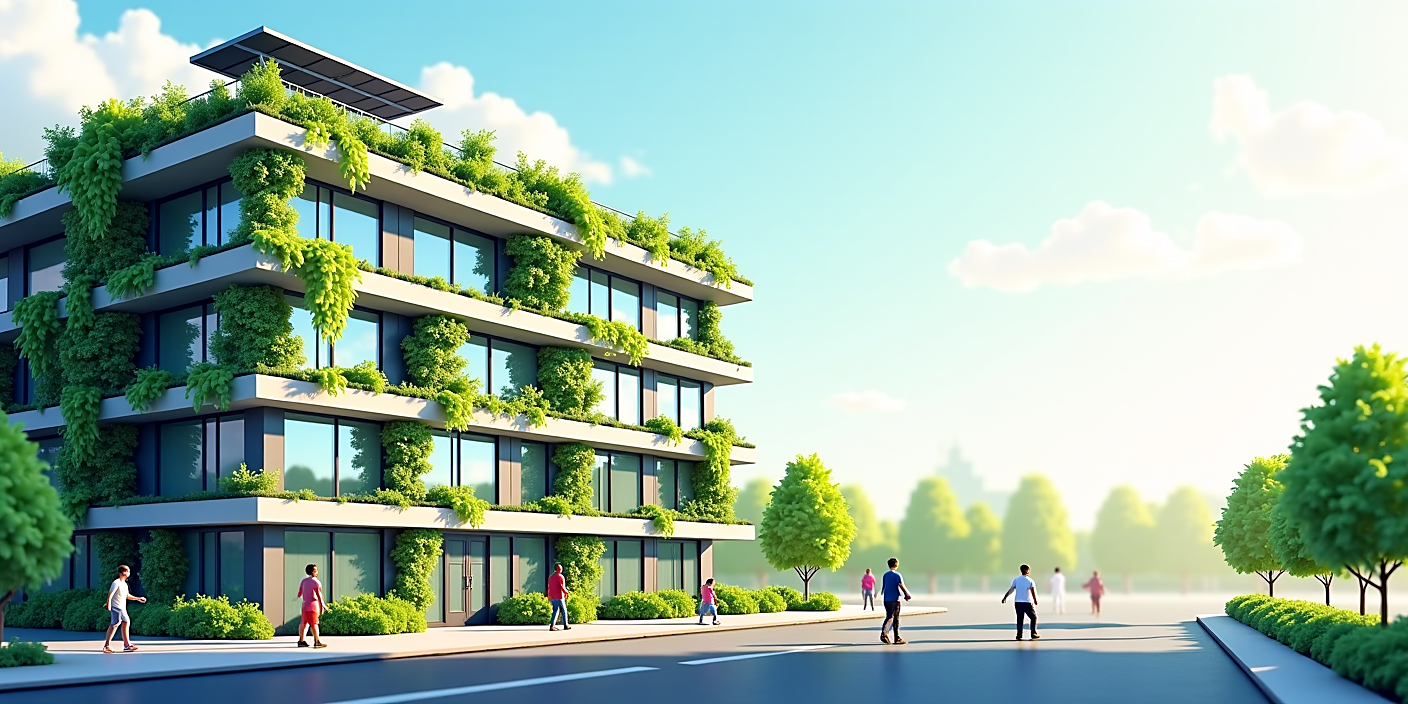
Green architecture plays an important role in environmental protection and solving ecological problems. It increases energy efficiency.
Introduction
Green architecture is an approach created to protect the environment and ensure sustainable development. It takes into account ecological aspects not only in building construction, but also in their use.
Green architecture plays an important role in solving dangerous environmental problems. It helps increase energy efficiency, rational use of natural resources and reduce waste.
Basic Principles of Green Architecture
Green architecture is based on several basic principles. They are as follows:
- Energy Efficiency: Solutions aimed at reducing energy consumption in building construction.
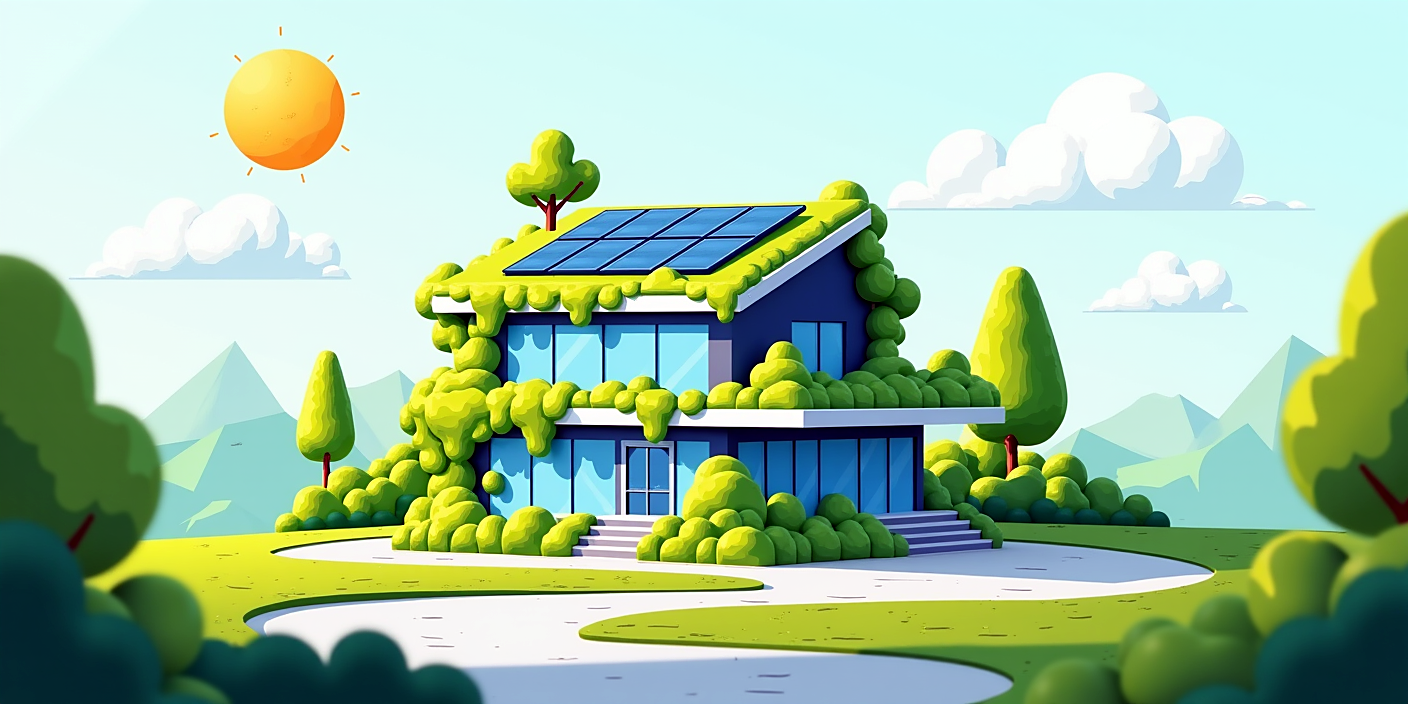
- Renewable Energy Sources: Use of renewable energy sources such as solar, wind and others.
- Natural Materials: Using natural and ecologically safe materials in construction.
These principles not only help solve environmental problems but also provide economic benefits. With this approach it is possible to save energy and resources during the process of building and using buildings.
Environmental Problems and Their Solutions
Green architecture is important not only in constructing buildings, but also in solving environmental issues. The main problems are as follows:
- Air Pollution: Emissions and harmful gases released during the construction process deteriorate air quality.
- Decrease of Water Resources: Inefficient use of water reduces water resources.
- Protection of Nature: It is necessary to avoid causing damage to the natural environment during the construction process.
To solve these problems, it is essential to use basic principles of green architecture. For example, energy efficiency, renewable sources and natural materials can help reduce these problems.
Green Architecture and Economic Benefits
Green architecture is not only ecologically beneficial but also economically efficient. Its advantages include:
- Long-term economic benefits: Opportunity to reduce costs by reducing energy consumption.
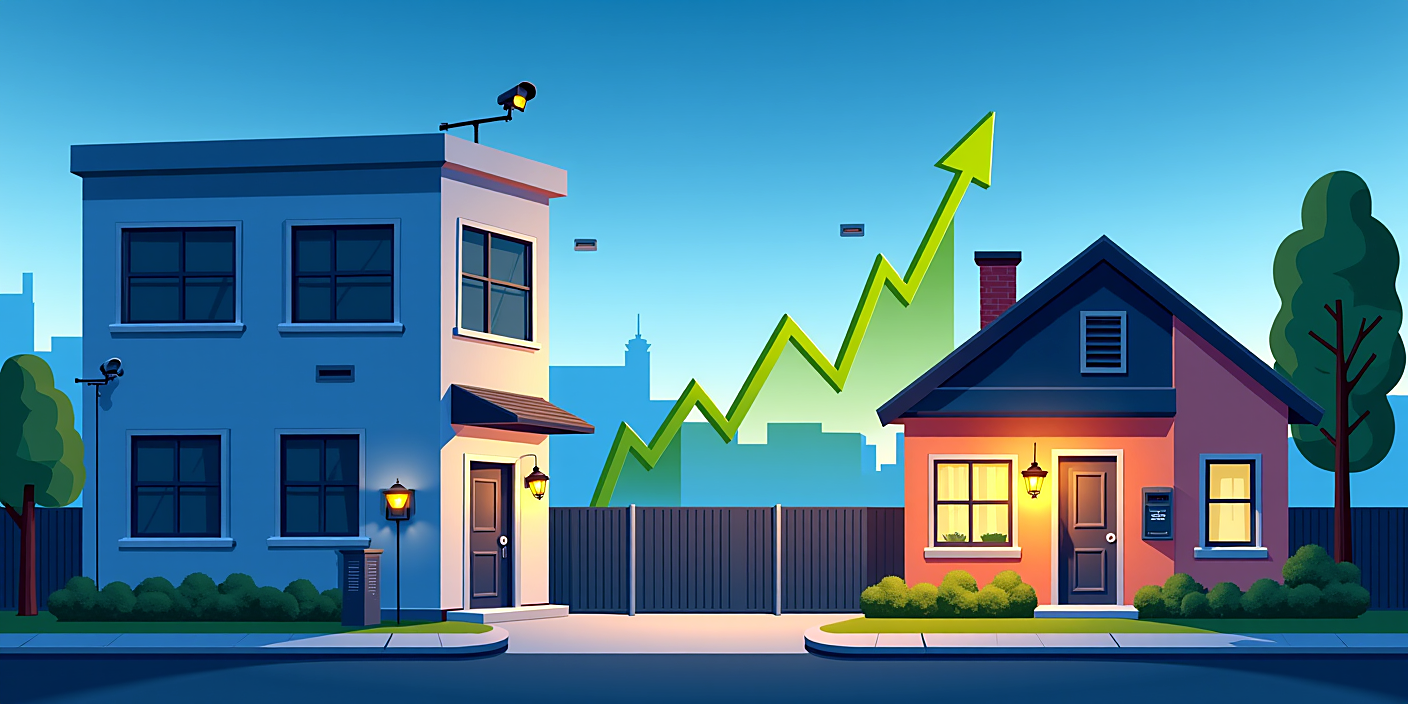
- Competitiveness: Buildings with green certification have an advantage in the market competition.
- Investments: Investments into green architecture are increasing, which creates new job opportunities.
Through green architecture it is possible not only to protect the environment but also ensure economic stability. This is especially important for construction sectors that think about the future.
FAQ
What is Green Architecture?
Green architecture is a building approach created with the aim of preserving the environment and ensuring sustainable development.
What are the main principles of green architecture?
Principles such as energy efficiency, renewable energy sources, and natural materials exist.
How does green architecture solve ecological problems?
It helps to address issues such as air pollution, reduction in water resources, and protection of nature.
Is green architecture economically beneficial?
Yes, it can reduce costs and increase competitiveness by reducing energy consumption.
What materials does green architecture use?
Green architecture uses natural and environmentally safe materials.
Conclusion
Green architecture is of great importance in protecting the environment and ensuring economic sustainability. Through this approach, ecological problems can be solved and sustainable development can be ensured.