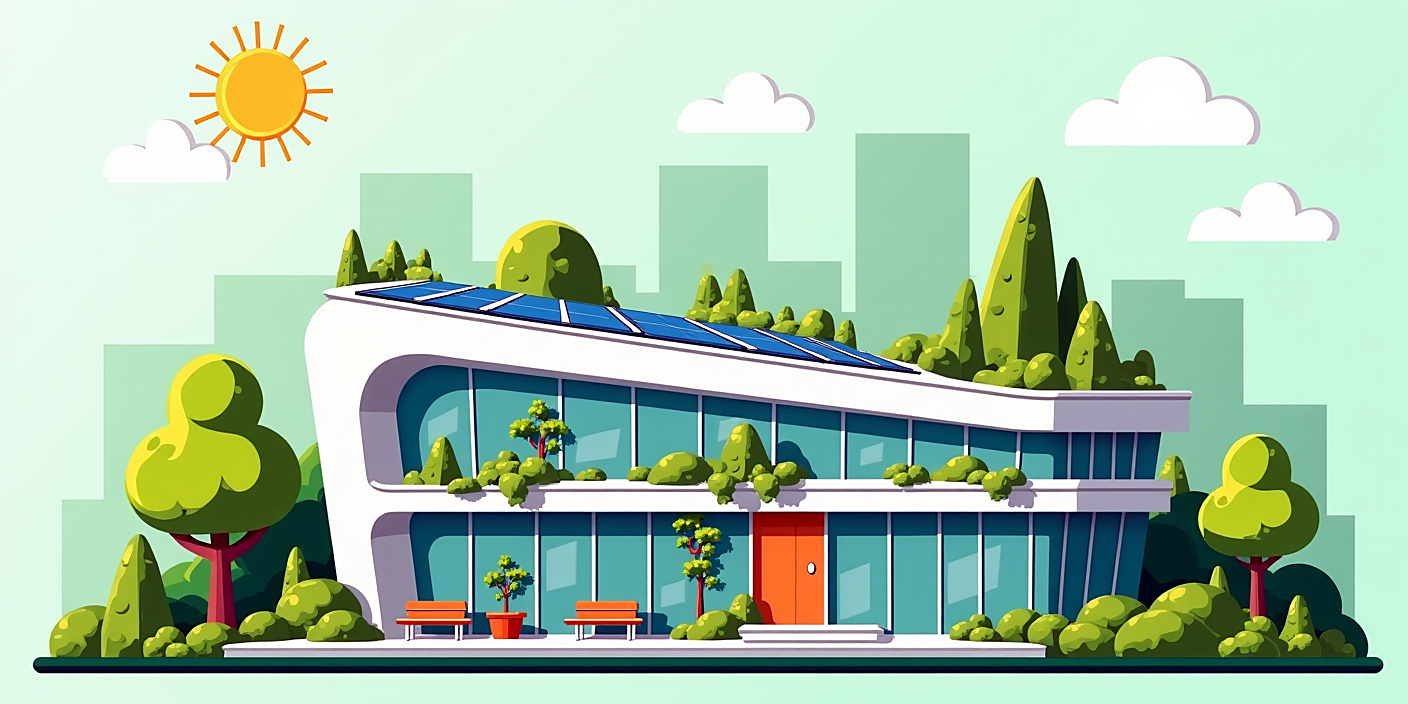
Green architecture: energy efficiency and its benefits
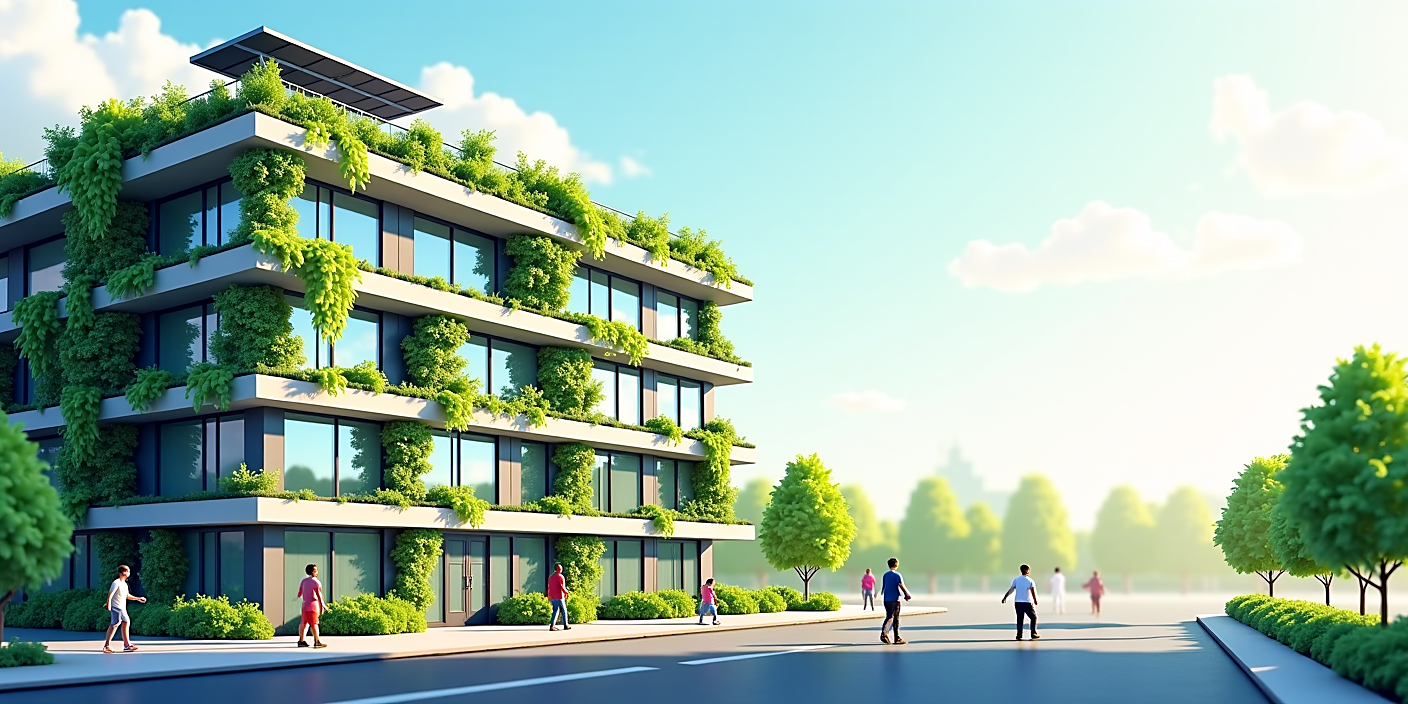
Green architecture ensures energy efficiency, protects the environment, and helps reduce costs.
Introduction
Green architecture is a concept aimed at ensuring energy efficiency in the construction of modern buildings. This approach was developed to achieve efficient use of natural resources and minimize harm to the environment.
This article discusses the main principles of green architecture, energy efficiency, and technologies used in this process.
Main Principles of Green Architecture
Green architecture is based on several key principles. Some of them are listed below:
- Sustainability: Ensuring a sustainable approach to the use of natural resources.
- Energy efficiency: Reducing energy consumption and minimizing energy expenditure.
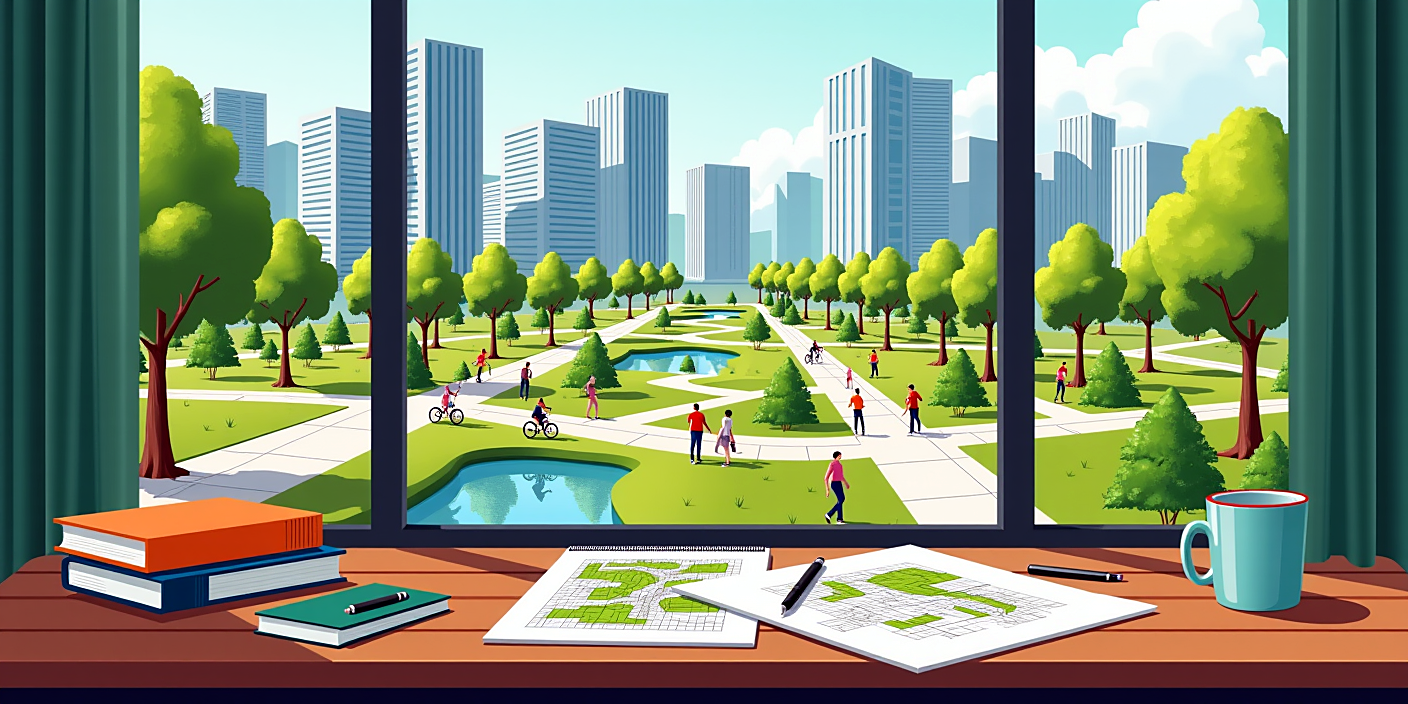
- Environmental impact: Causing minimal harm to the environment during construction processes.
These principles not only help in achieving energy efficiency, but also contribute to preserving overall ecological balance.
Energy-saving Technologies
The following are energy-saving technologies used within green architecture:
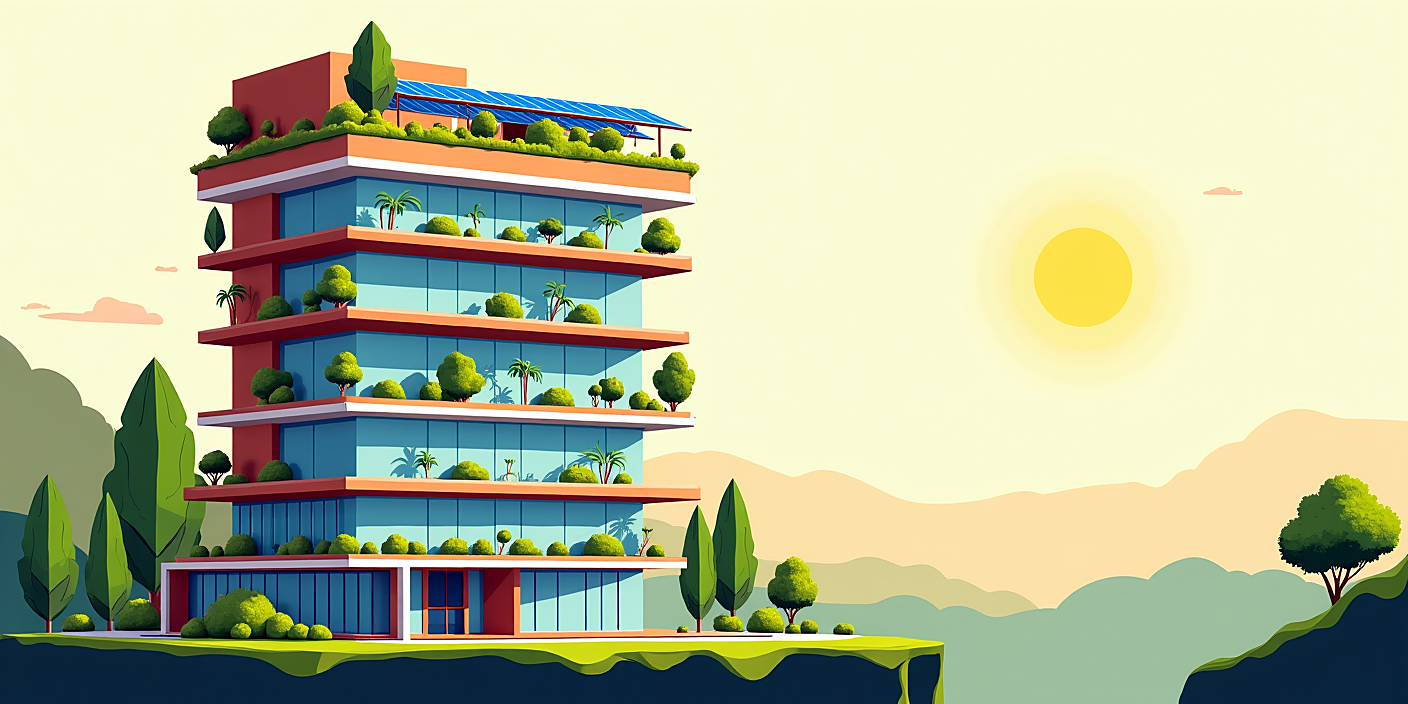
- Solar Energy: Obtaining energy through solar panels.
- Air purification systems: Using energy-efficient methods for air purification to reduce energy consumption.
- Insulation materials: Utilizing materials that heat up and cool down quickly.
These technologies help increase the energy efficiency of buildings and reduce costs.
Benefits of Green Architecture
Green architecture is not only beneficial from an ecological perspective, but also provides economic benefits. These include:
- Cost reduction: Reducing expenses through energy conservation.
- Health: Improving human health by providing clean air.
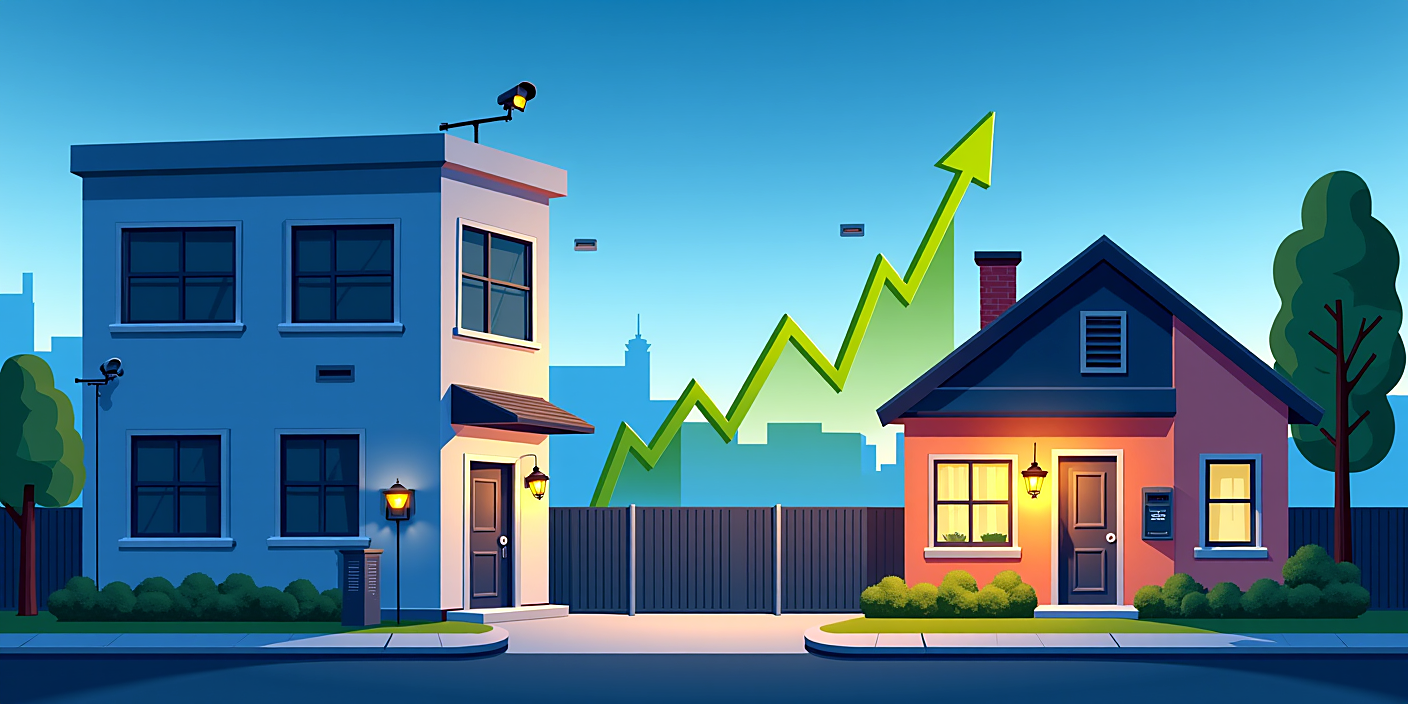
- Value: Green buildings attract more buyers' attention.
These benefits serve as important factors for the future development of green architecture.
FAQ
What is green architecture?
Green architecture refers to an architectural approach focused on using energy and resources efficiently without harming the environment.
How does this architectural style benefit us?
Green architecture reduces costs, improves health, and has a positive impact on the environment.
What technologies increase energy efficiency?
Solar energy, air purification systems, and insulation materials enhance energy efficiency.
What types of materials does green architecture use?
Green architecture often uses recycled materials, natural materials, and energy-efficient materials.
What are the problems related to green architecture?
Green architecture sometimes encounters problems related to high initial costs and technological limitations.
Conclusion
Green architecture is of great importance in ensuring energy efficiency and protecting the environment. This approach helps ensure sustainable development in the future and creates more comfortable conditions for humanity.