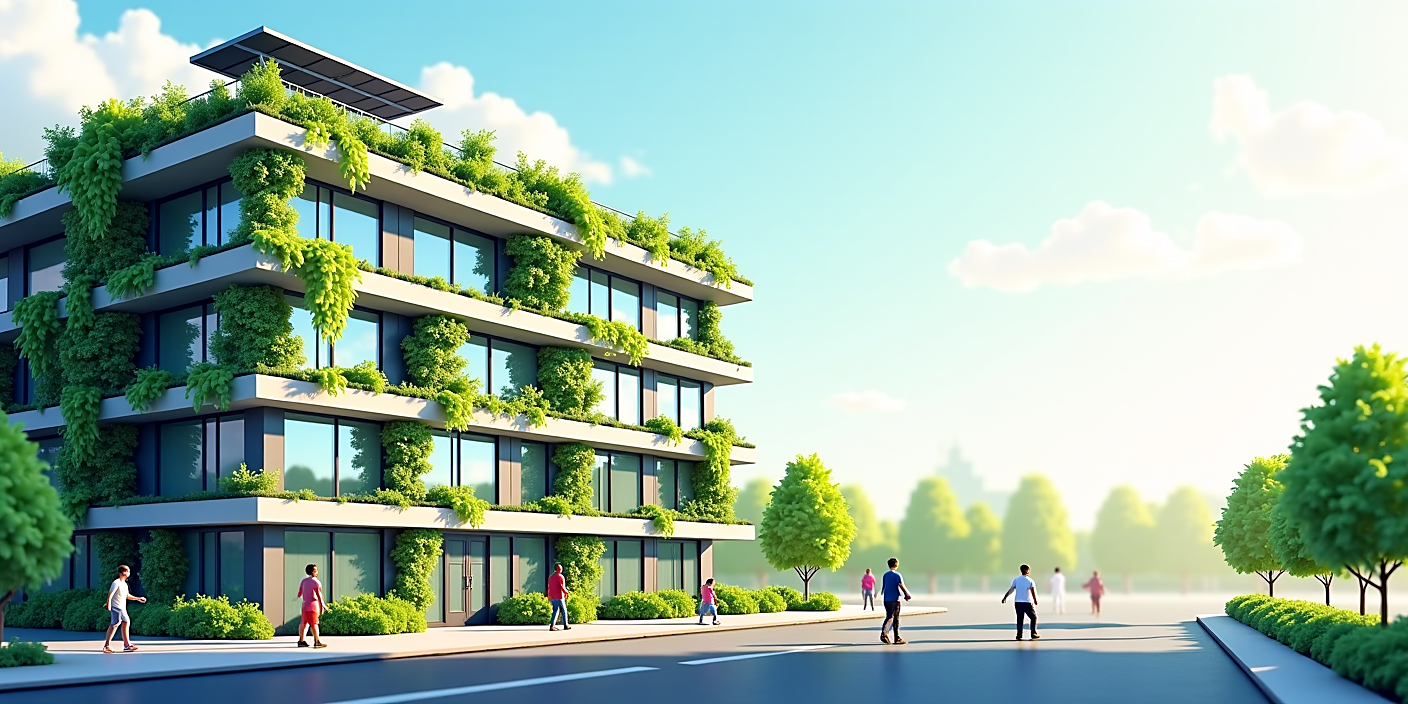
Green architecture: future directions and advantages
Green architecture ensures the future, energy efficiency and ecological sustainability. Learn about innovative approaches.
Sustainable Architecture: Introduction
Sustainable architecture is an approach aimed at increasing ecological sustainability and energy efficiency. This direction ensures the rational use of natural resources in all architectural processes.
In this article, we will provide information about future directions of sustainable architecture, its main principles and advantages.
Main Principles of Sustainable Architecture
Sustainable architecture includes a number of basic principles, some of which are as follows:
- Energy efficiency: Innovative solutions are applied in the building design process to reduce energy consumption.
- Renewable resources: Use of renewable resources for construction materials and energy sources.
- Compatibility with nature: Ensuring balance between buildings and environment.
These principles increase the success rate of sustainable architecture projects and reduce their environmental impact.
Sustainable Technologies and Innovations
The future of sustainable architecture is linked to new technologies and innovations. The following technologies are expected to be important in the future:
- Renewable energy sources: Solar panels, wind turbines and other renewable energy sources.
- Intelligent construction systems: Smart systems for managing and controlling building energy.
- Green coverings: Areas covered with plants on the roofs and walls of buildings.
These technologies increase the efficiency of sustainable architecture projects and reduce energy consumption.
Advantages of Sustainable Architecture
Sustainable architecture has several advantages, including:
- Eco-sustainability: Rational use of natural resources reduces environmental impact.
- Ease in decision making: Economic benefits through energy efficiency and reduced costs.
- Health and comfort: Green buildings create a comfortable and healthy environment for users.
These advantages help the widespread adoption of sustainable architecture and play an important role in the future.
FAQ
What is Sustainable Architecture?
Sustainable architecture is an architectural approach aimed at ensuring ecological sustainability and increasing energy efficiency.
What are the main principles of Sustainable Architecture?
The main principles include energy efficiency, renewable resources and compatibility with nature.
Which technologies belong to sustainable architecture?
Among green technologies are solar panels, smart building systems and green coverings.
What are the advantages of green architecture?
Their advantages include ecological sustainability, economic benefits and creating a healthy environment.
Conclusion
Green architecture is an important direction for the future. Rational use of natural resources, increasing energy efficiency and ensuring environmental sustainability play an important role in this field.
These approaches bring innovations to the fields of architecture and construction and help solve future problems.