Green architecture: Its impact on the environment and benefits
Green architecture has a positive impact on the environment, ensures energy efficiency and efficient use of natural resources.
Introduction
Green architecture is known for having a positive impact on the environment. This approach ensures efficient use of natural resources in building construction.
In this article, we will discuss the main principles of green architecture and its effect on the environment.
Main Principles of Green Architecture
Green architecture is based on several key principles:
- Energy efficiency: Materials and technologies that save energy are used in building construction.
- Use of natural resources: Local and recyclable materials are selected during the construction process.
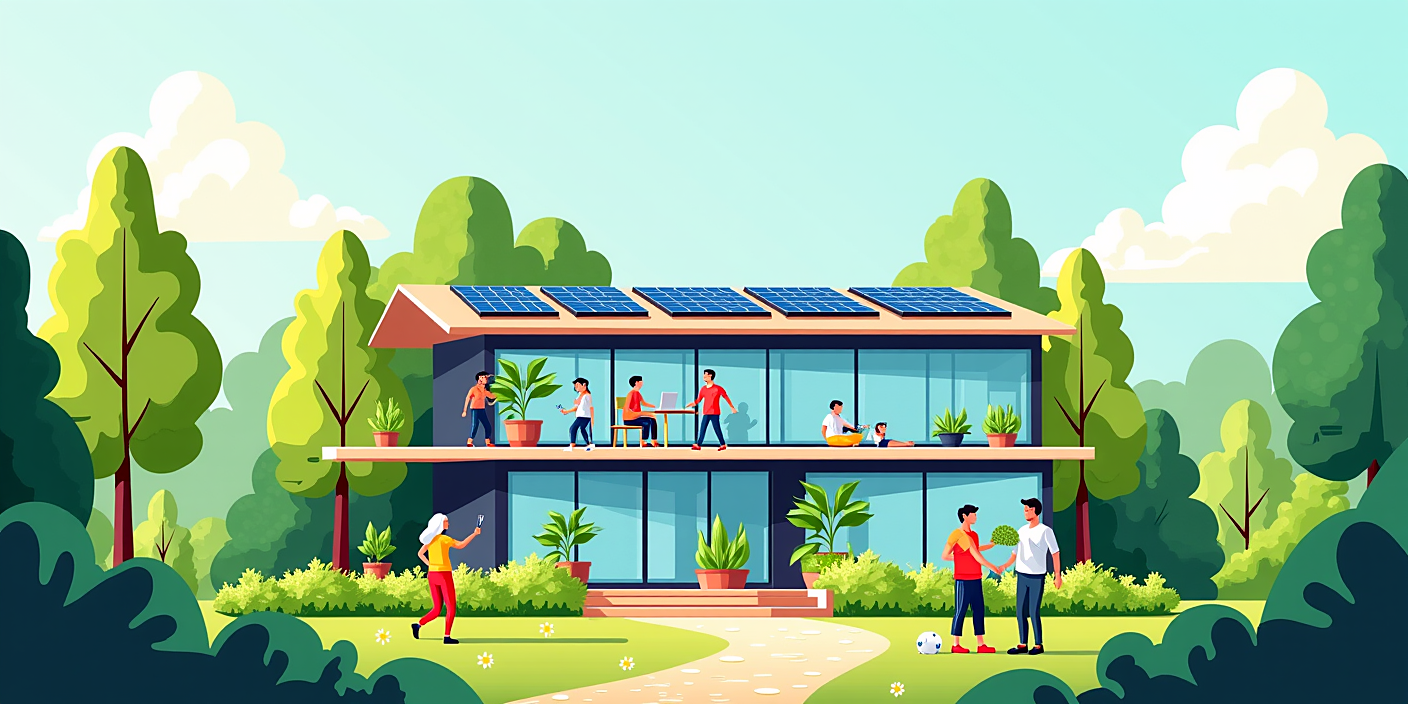
- Renewable energy sources: Use of renewable energy sources such as sunlight, wind, and others.
These principles help reduce the ecological impact of buildings.
The Impact of Green Architecture on the Environment
Green architecture has the following positive effects on the environment:
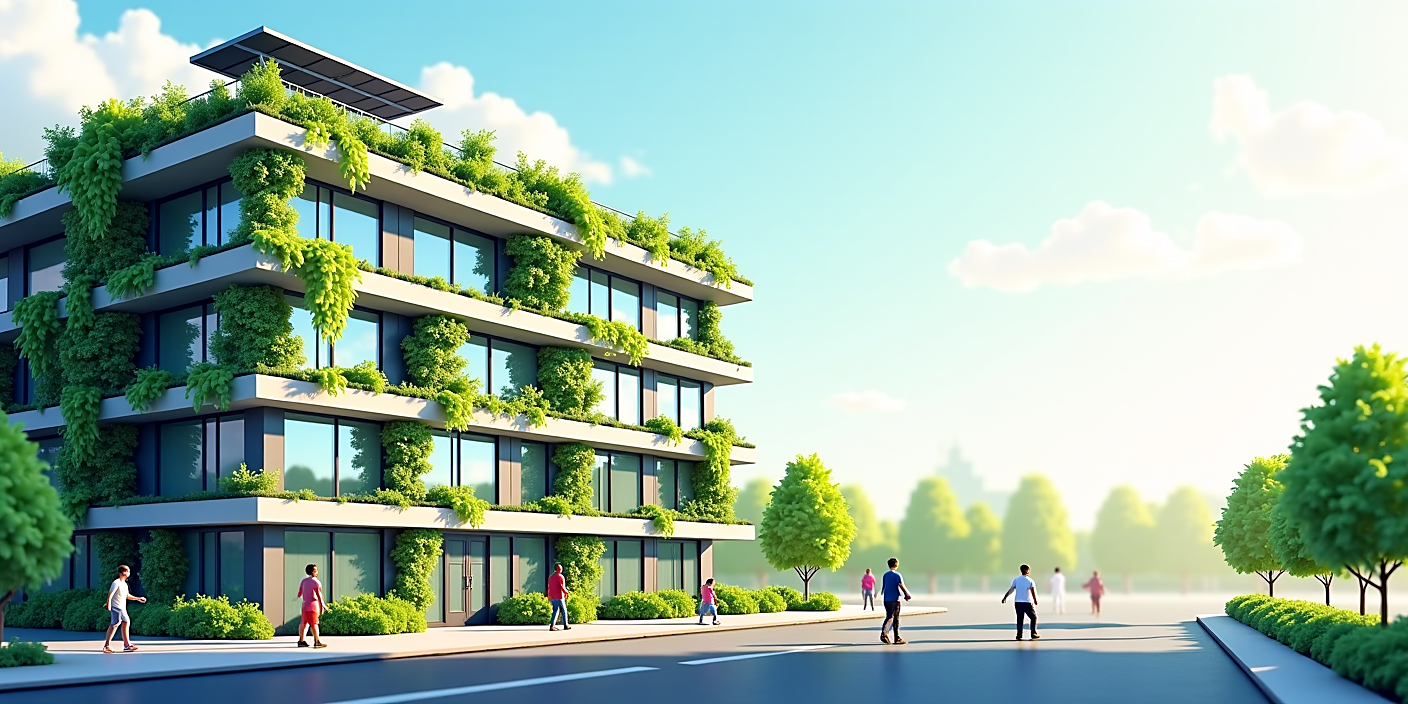
- Improving air quality: Green buildings, by using plants, clean the air.
- Water conservation: Water-saving systems in green architecture help efficiently manage water resources.
- Fighting climate change: They reduce carbon footprint and enhance measures against climate change.
These effects not only positively transform buildings, but also the entire society.
Green Architecture and Economic Efficiency
Green architecture is also considered economically efficient. Equipping buildings with energy-saving technologies reduces costs in the long run.
The following economic benefits are observed through green architecture:
- Lower energy expenses: Considering frequent increases in energy prices, energy-efficient buildings reduce expenses.
- Recycling opportunities: Recycling systems ensure that materials used in building construction can be recycled.
FAQ
What is green architecture?
Green architecture is a construction approach that considers the efficient use of natural resources and avoids harming the environment.
What materials does green architecture use?
Green architecture uses local, recyclable, and energy-efficient materials.
What energy sources power green buildings?
Green buildings can make use of renewable energy sources such as sunlight, wind, and others.
How does green architecture affect climate change?
Green architecture reduces carbon footprint and plays an important role in fighting climate change.
Is green architecture economically beneficial?
Yes, through energy savings and recycling opportunities, green architecture can be economically beneficial.
Conclusion
Green architecture is an important approach that ensures environmental and economic efficiency. By using natural resources and saving energy, this approach contributes to sustainable development in the future.