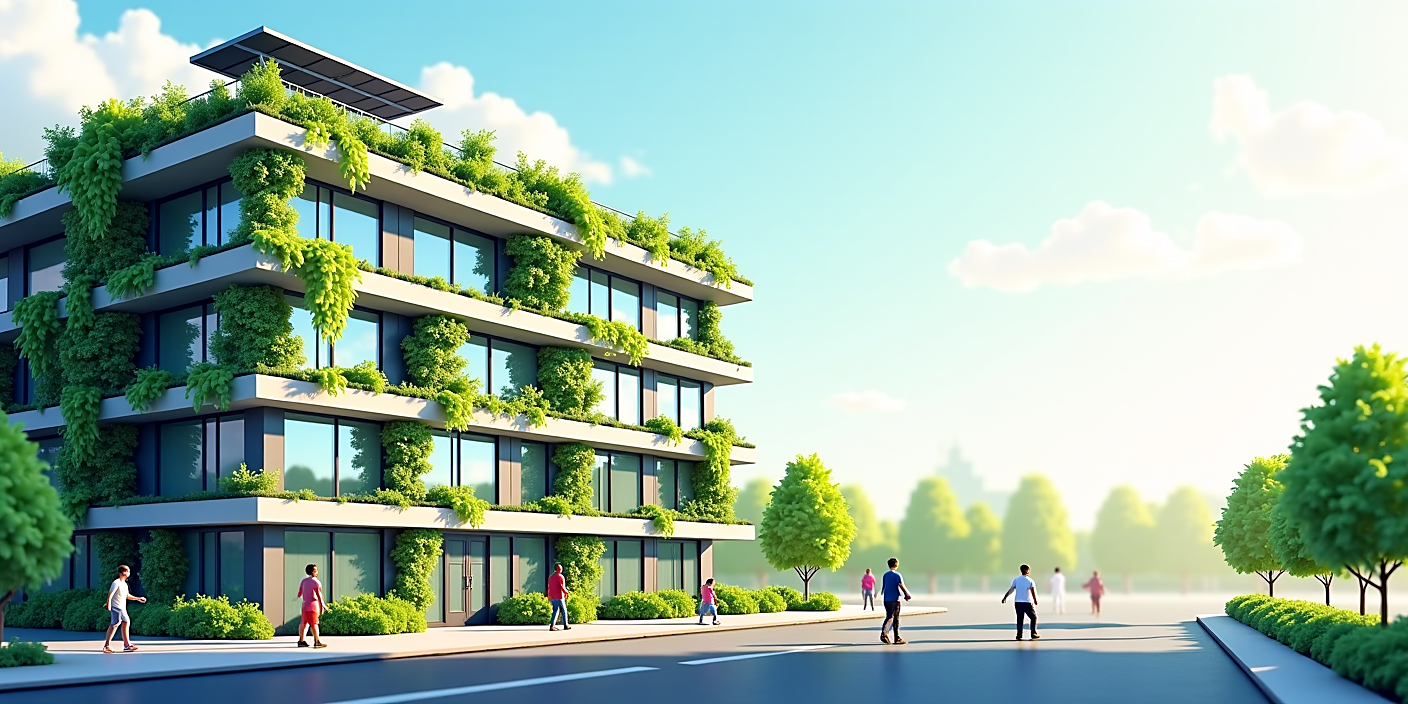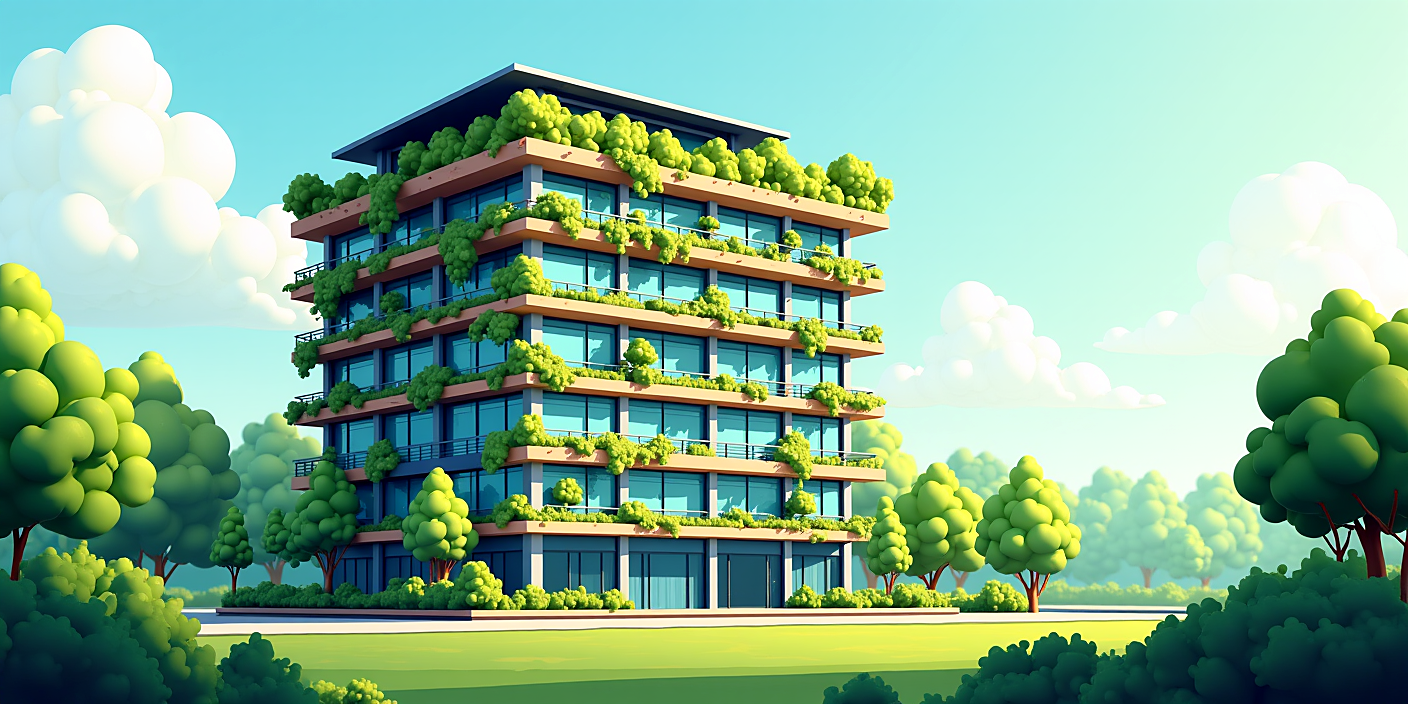
Green architecture: Principles of sustainability and efficiency
Green architecture ensures energy efficiency and protects the environment. This article examines its advantages and principles.
Introduction
Sustainable architecture combines stability and efficiency. Today, humanity needs new approaches to conserve resources and avoid harming the environment.
Sustainable architecture simultaneously ensures energy efficiency, ecological balance, and human health. This article examines the main principles of sustainable architecture and its advantages.
Principles of Sustainable Architecture
Sustainable architecture is based on several key principles. Some of them are as follows:
- Energy efficiency: Energy-saving materials and methods are used in building design.
- Use of natural resources: Resources are conserved to protect the environment by using renewable energy sources.
In addition, sustainable architecture includes designing buildings that adapt naturally to environmental conditions. This reduces energy consumption and improves indoor environments.
Advantages of Green Buildings
Buildings based on sustainable architecture have several advantages, including:
- Renewable energy: Technologies such as solar panels and wind turbines provide energy production.
- Fewer emissions: Using recyclable materials reduces waste.
Such buildings have a positive impact not only on the environment but also on human health. Green buildings clean the air and create comfortable environments for people.
How can sustainable architecture be implemented?
To implement sustainable architecture, several important steps exist. They include:
- Taking energy efficiency into account during the design phase: When creating a building plan, approaches aimed at increasing energy efficiency should be applied.
- Using recyclable materials: Selecting natural and recyclable materials is important during construction.
In addition, using energy-saving technologies in construction and placing buildings appropriately according to the natural environment are also crucial.
FAQ
What is sustainable architecture?
Sustainable architecture refers to principles for designing buildings and structures aimed at protecting the environment and ensuring energy efficiency.
What advantages do green buildings offer?
Green buildings reduce energy consumption, decrease waste, and improve human health.
Which materials does sustainable architecture require?
Sustainable architecture projects use natural and recyclable materials as well as energy-saving technologies.
What are the main principles of green architecture?
Green architecture is based on energy efficiency, use of natural resources and ensuring ecological balance.
What steps are needed to build green buildings?
To build green buildings, it is necessary to consider energy efficiency, choose recyclable materials and create a design that is compatible with the natural environment.
Conclusion
Green architecture is an important direction that combines sustainability and efficiency. It not only protects the environment but also creates comfortable and healthy conditions for people.
By applying green architectural principles, we ensure better living conditions for future generations.