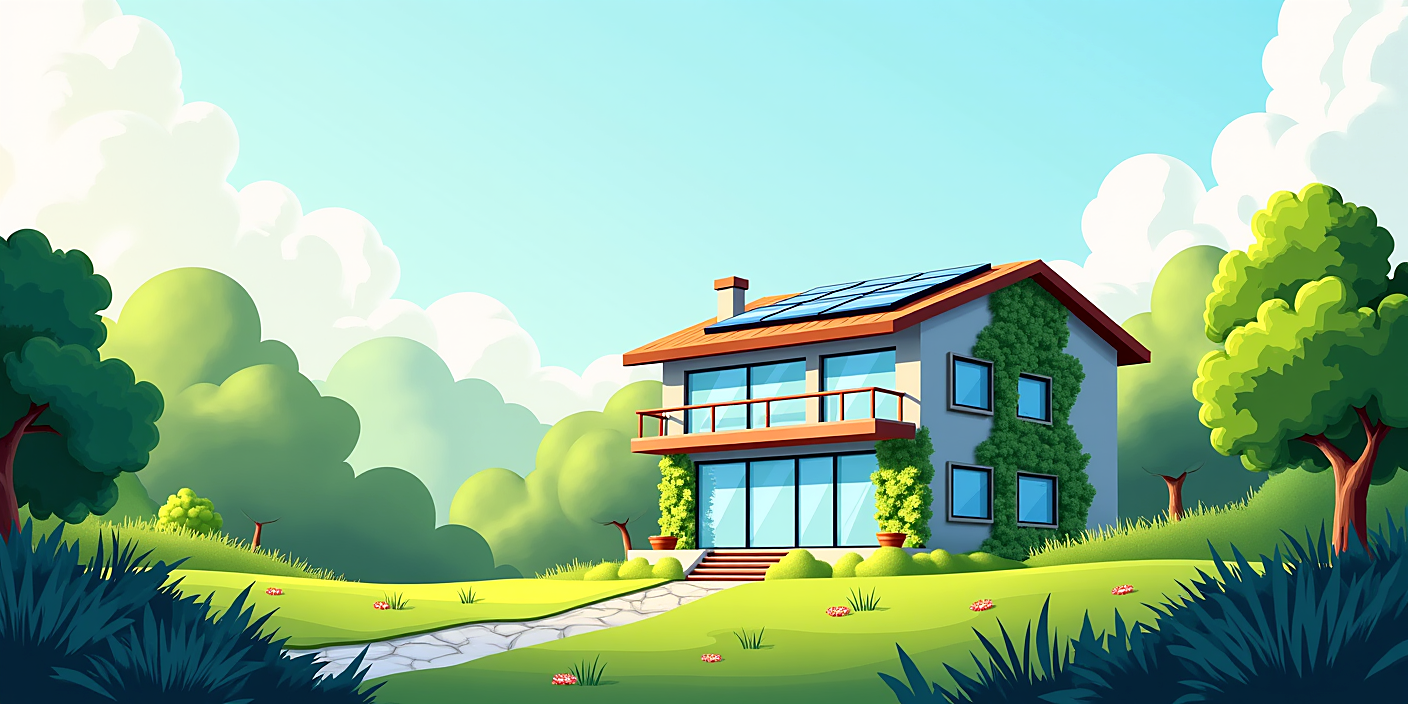
Green architecture: sustainable solutions and their advantages
Eco-architecture protects the environment with sustainable solutions, reduces energy consumption and improves human health.
Eco-architecture: Sustainable Solutions
Eco-architecture is a direction of architecture created with the aim to minimize the use of natural resources and avoid causing harm to the environment. This approach ensures sustainability in building design and helps preserve the green environment for future generations.
In this article, we provide information about eco-architecture, its main principles, and sustainable solutions. Eco-architecture includes energy efficiency, renewable energy sources, and the use of ecological materials.
Principles of Eco-Architecture
The basic principles of eco-architecture include:
- Energy Efficiency: Innovative solutions are applied to reduce energy consumption in building design.
- Renewable Energy Sources: Generating electricity by using solar, wind or biomass energy sources.
- Eco-friendly Materials: Using green materials such as natural stone, wood and paper.
These principles reduce the negative impact on the environment and increase building comfort. Eco-architecture also offers construction solutions that are adapted to local climatic conditions.
Sustainable Solutions
There are several sustainable solutions within eco-architecture. Some of them include:
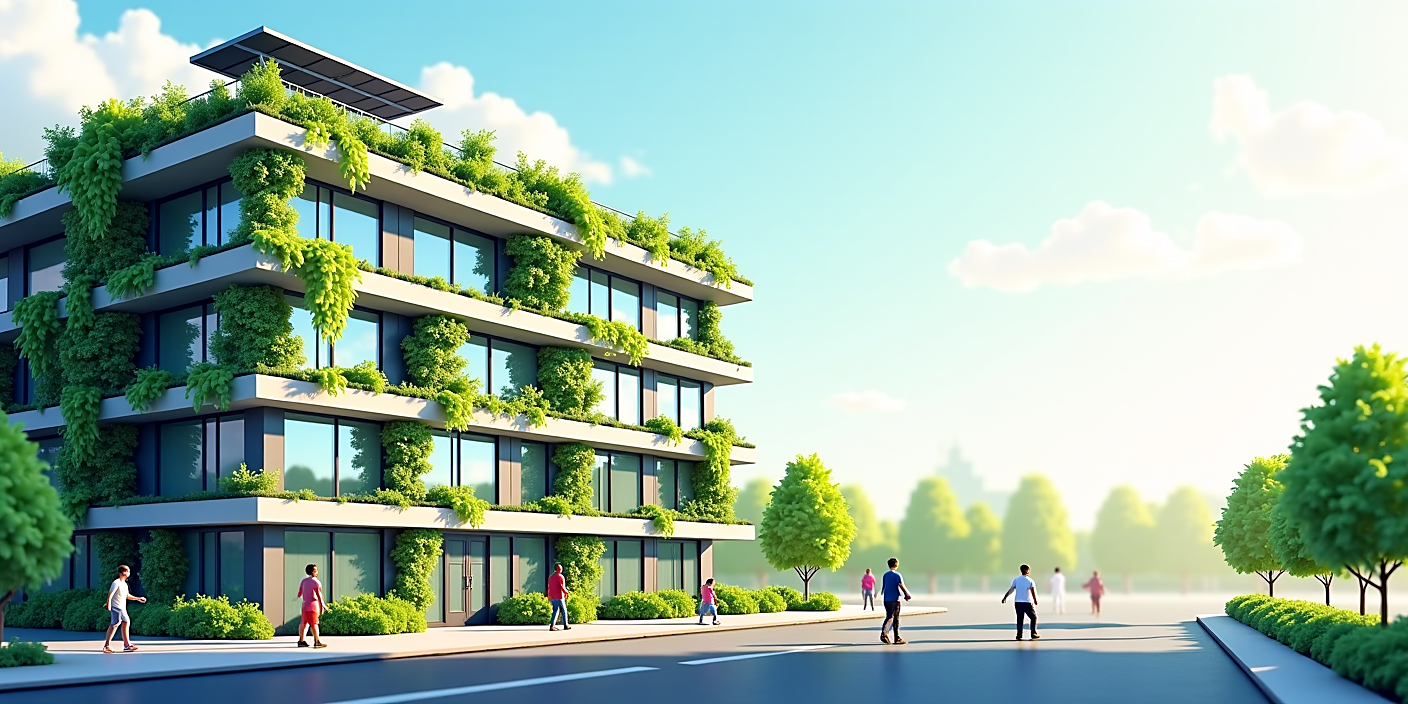
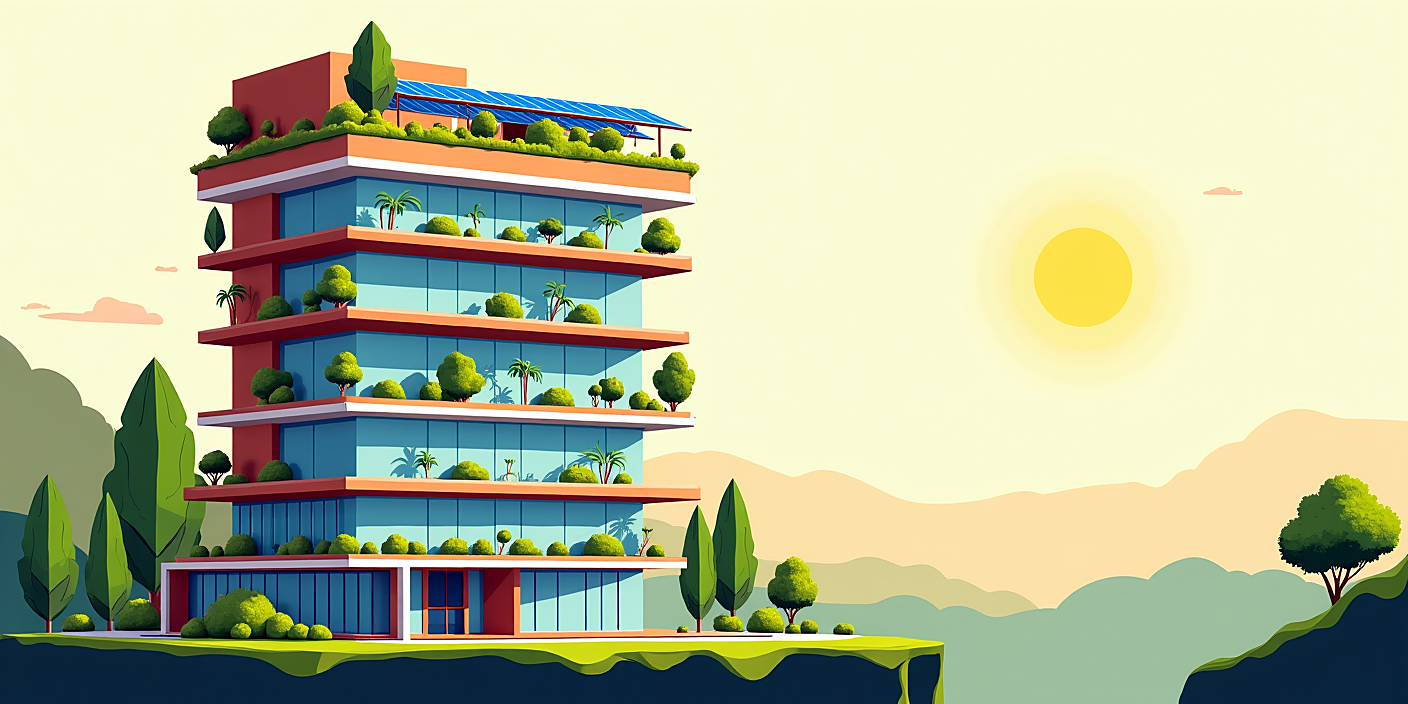
- Green roofs: Insulation and reducing energy consumption by growing plants on the roof.
- Living walls: Improving indoor environment by covering buildings with natural vegetation.
- Solar panels: Generating electricity using solar energy.
These solutions not only increase energy efficiency, but also help to beautify the buildings. They are also aimed at improving human health and well-being.
FAQ
What is eco-architecture?
Eco-architecture is a direction of architecture that uses natural resources efficiently with the aim of not causing harm to the environment.
How do sustainable solutions benefit?
Sustainable solutions reduce energy consumption, protect the environment and improve human health.
How do green roofs work?
Green roofs reduce insulation and energy consumption through plant growth on the roof, as well as purify the air.
What renewable energy sources are used?
Renewable resources such as solar, wind or biomass are used for electricity generation, which is an alternative to conventional energy sources.
What are eco-friendly materials?
Eco-friendly materials are natural, recycled or have low harmful effects, such as wood and natural stone.
Conclusion
Eco-architecture and sustainable solutions have a positive impact on the environment and human health. It is necessary to apply this approach in order to create a green and sustainable environment for future generations.