Green architecture: Sustainable solutions and their benefits
Eco-architecture is a process of building and designing without harming the environment. Use unstable solutions to efficiently utilize resources.
Eco-architecture: Sustainable Solutions
Eco-architecture is the process of building and designing without harming the environment. This approach plays an important role in achieving sustainable development goals.
In this article, we consider the main principles and practical solutions of eco-architecture.
Basic Principles
Eco-architecture is based on several key principles:
- Sustainable materials: Using natural and recyclable materials.
- Energy efficiency: Reducing energy consumption and using renewable energy sources.
- Environmental adaptation: Choosing designs and construction methods that are suitable for local climate conditions.
These principles are considered important in implementing eco-architecture projects, as they are aimed at protecting the environment.
Sustainable Solutions
Sustainable solutions are one of the most important aspects of eco-architecture. The following methods are widely used:
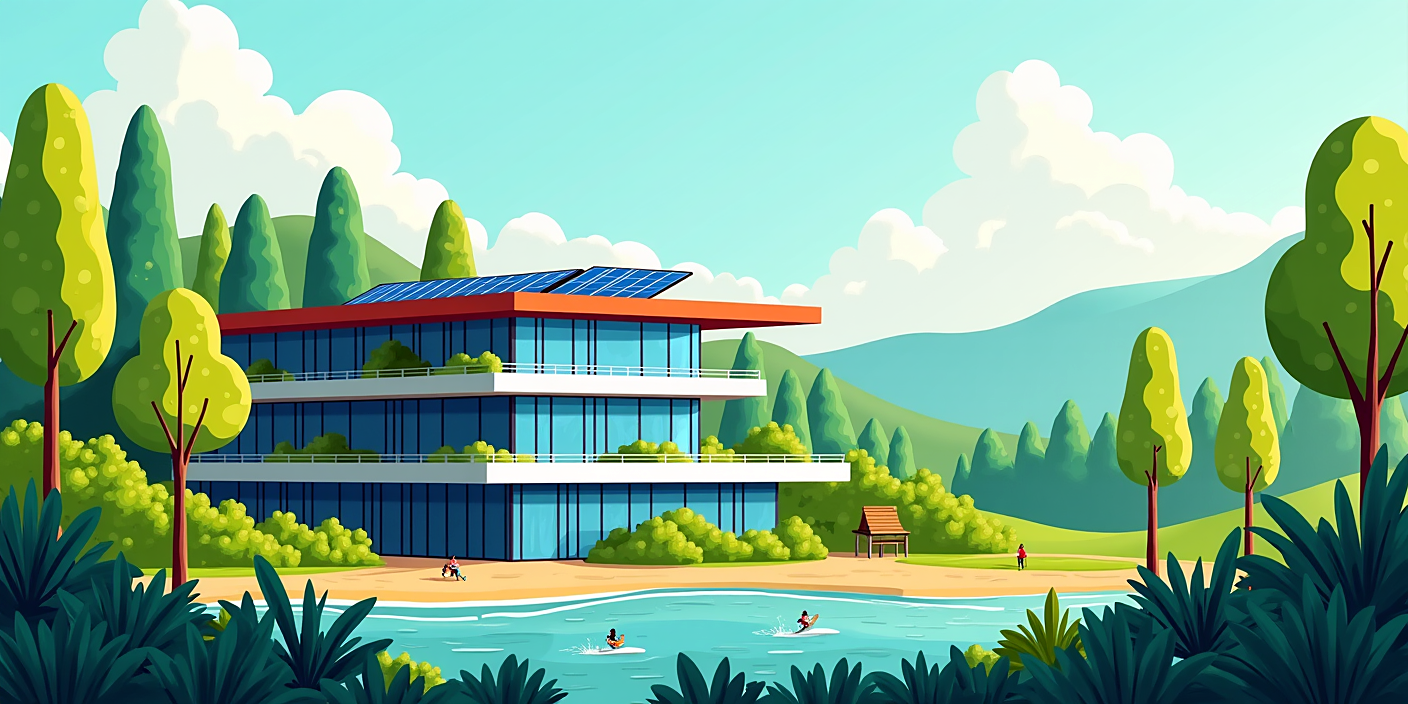
- Renewable energy sources: Using solar, wind and biomass energy.
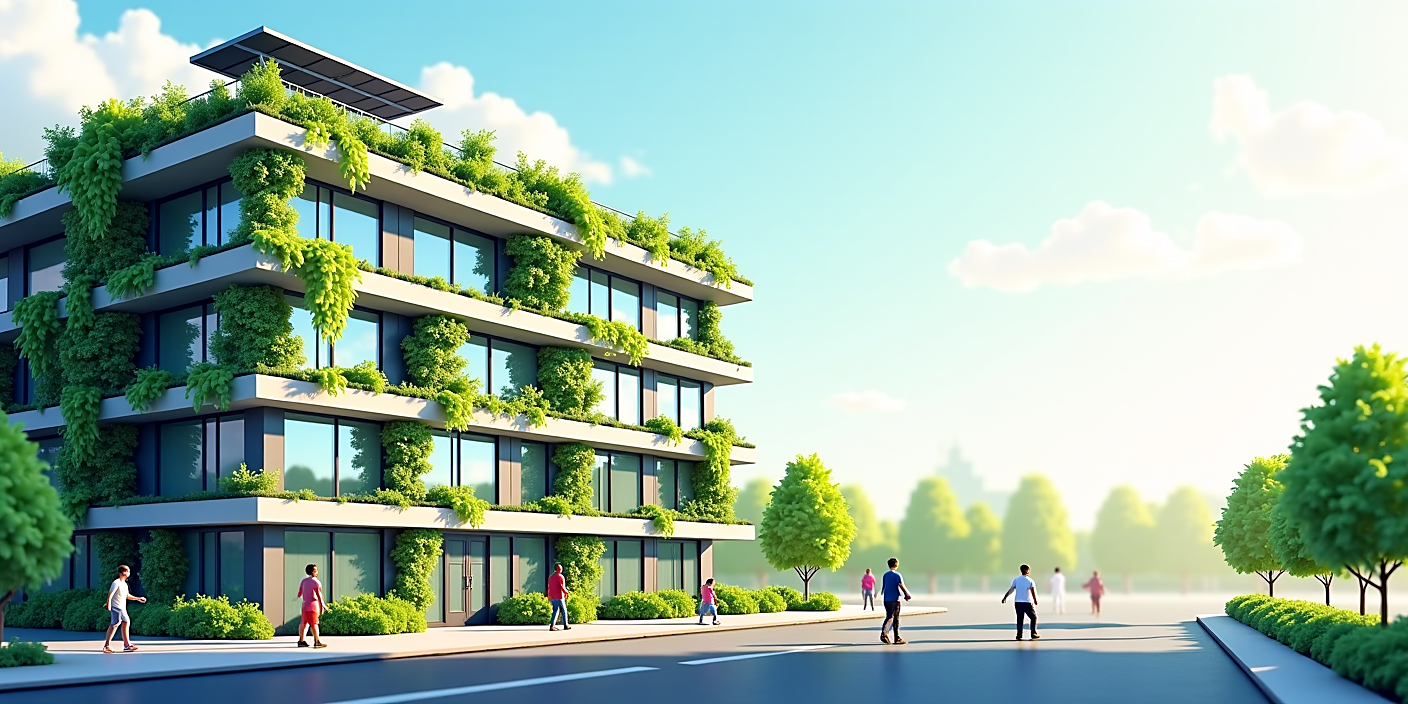
- Green roofs: Increasing energy efficiency by growing plants on building rooftops.
- Water-saving systems: Implementing water saving and recycling systems.
These solutions not only bring economic benefits, but also have a positive impact on the environment.
FAQ
What is eco-architecture?
Eco-architecture is the process of building and designing without harming the environment.
How are sustainable materials selected?
Sustainable materials are made from natural and recyclable resources, as well as their production process should cause little damage to the environment.
How can energy efficiency be improved?
Energy efficiency can be increased by using renewable energy sources, improving insulation quality and selecting efficient energy equipment.
What benefits do green roofs provide?
Green roofs reduce energy consumption, clean the air and have a positive impact on urban climate.
How do water-saving systems work?
Water-saving systems allow for recycling and storing of water using rainwater and other sources.
Conclusion
Eco-architecture plays an important role in achieving sustainable development. Through these principles and solutions, we learn how to protect the environment and use resources efficiently.