Integration of Security and Architecture: New Opportunities
Integration of security and architecture ensures reliability of modern buildings and creates convenience for users.
Introduction
Safety and architecture are highly interrelated fields. When working together, they not only ensure the functionality of buildings but also their reliability.
This article discusses important aspects of integrating safety and architecture, its advantages, and practical examples.
The Role of Safety in the Architectural Process
Ensuring safety should be a top priority in the architectural process. Architects and designers must consider safety when creating projects.
- Safety management systems: Necessary systems and tools for ensuring safety during the architectural planning process need to be included.
- Materiel selection: The safety of materials used in architecture also plays an important role.
Methods of Ensuring Safety
There are several methods for ensuring safety:
- Monitoring systems: Using modern monitoring systems for control and supervision.
- Fire safety: Taking necessary measures to prevent and monitor fires.
Technological Innovations and Architecture
Technological innovations in the field of architecture play an important role in ensuring safety. Today, there are many innovative solutions available.
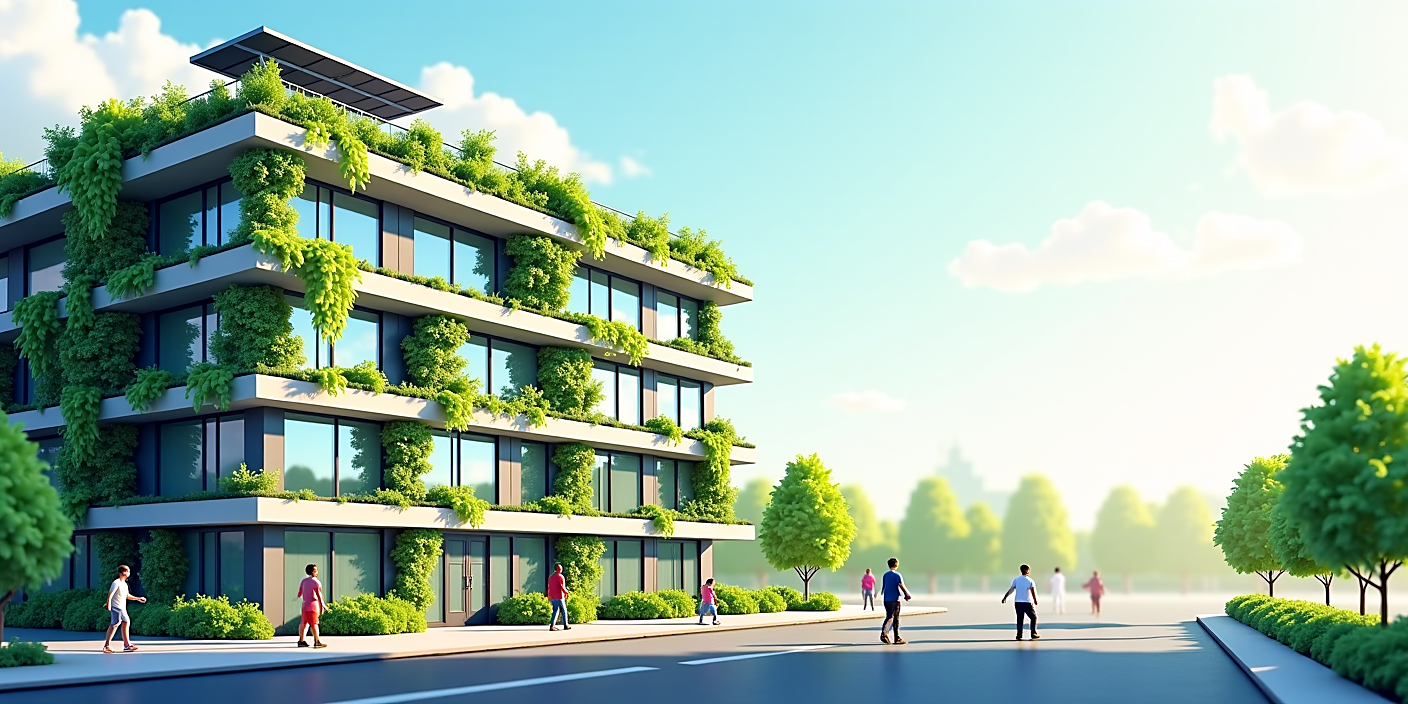
- Smart buildings: Increasing security through smart technologies.
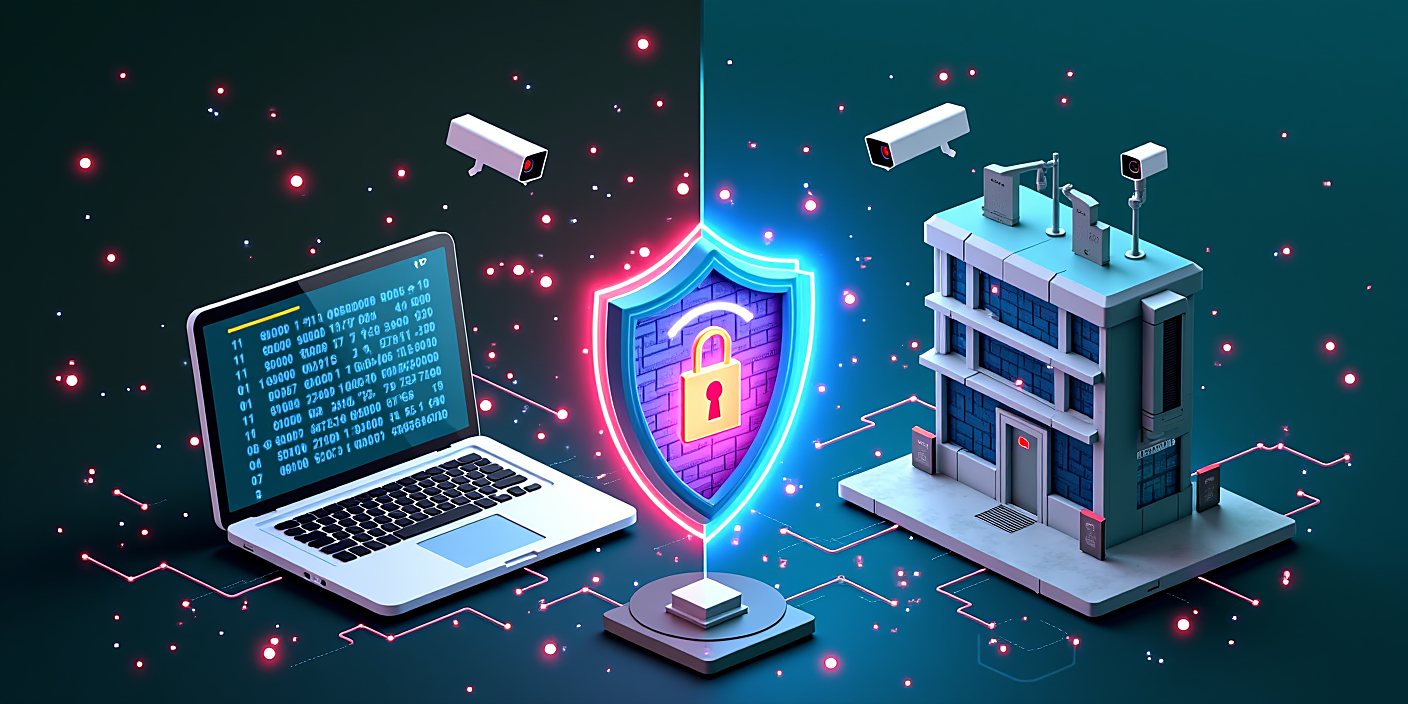
- Sensors and camera systems: Sensors and cameras are installed in many buildings to ensure safety.
Innovations for Enhancing Safety
The application of technology in the field of architecture helps enhance safety:
- Automation: Automating certain processes enhances security.
- Data protection: Applying modern methods for protecting databases.
Mutual Integration and Its Advantages
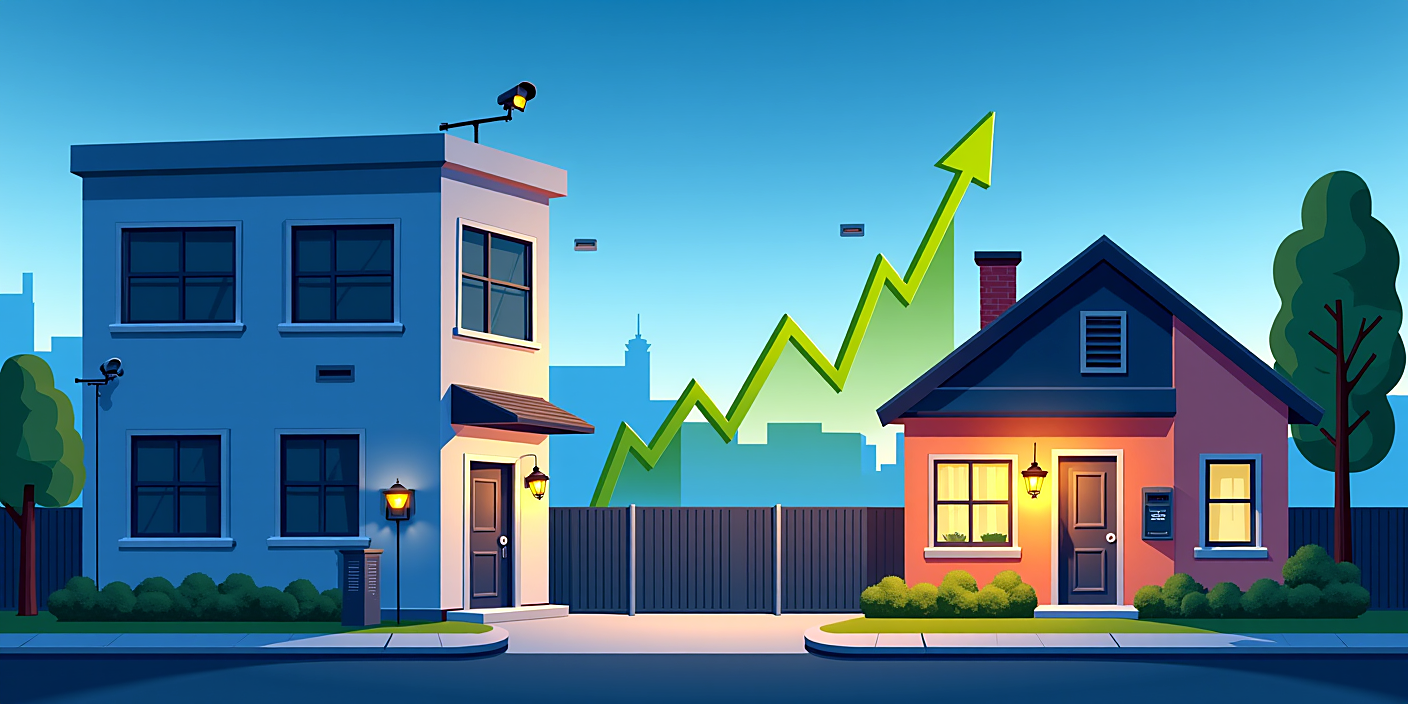
The integration of safety and architecture can lead to a number of advantages. This integration not only creates a safe environment but also provides convenience for users.
- Resource conservation: Through integration, energy and time can be saved.
- User convenience: A secure and convenient environment is provided for users.
Practical Examples
A few practical examples of the integration of safety and architecture:
- New office buildings: In modern office buildings, security systems work together with architecture.
- PUBLIC places: Innovative methods are applied to ensure safety in public areas.
FAQ
What is the main difference between safety and architecture?
Security infrastructure focuses on protective aspects, while architecture ensures its design and functionality.
What are smart buildings?
Smart buildings are structures that are automatically controlled using modern technologies and create a safe environment.
What innovations exist in ensuring security?
Sensors, monitoring systems, and automated security systems are recognized as key innovations.
How can security be monitored during the architectural process?
To monitor security, it is necessary to plan security systems and select materials during the initial design phase.
Why is the integration of security and architecture important?
This integration is essential for creating a safe environment and providing convenience to users.
Conclusion
The integration of security and architecture plays an important role in creating modern buildings. Through this integration, safe, efficient, and comfortable environments can be created.
In the future, innovations in these fields will further develop, opening up new opportunities for ensuring security.