One of the Historical Figures of Uzbekistan: Timur and His Legacy
Amir Timur, a great figure in Uzbek history who established his empire, is highly valued today.
One of the Historical Figures of Uzbekistan: Timur
Timur, also known as Tamerlane, is one of the greatest figures in the history of Uzbekistan. He lived during the 14th century and became famous for his military skills and political strategy.
Timur was born in Shahrisabz city of Uzbekistan in 1336 and died in 1405. During his time, he established a great empire and led many wars.
The Life and Activities of Timur
Timur's life was filled with numerous difficulties and successes. In the 1360s, he took control over Bukhara and Samarkand. His empire covered parts of Central Asia, Iran, and India.
Timur's military campaigns and victories were carried out for the following reasons:
- High-level military strategy and tactics.
- Establishing good relations with local populations.
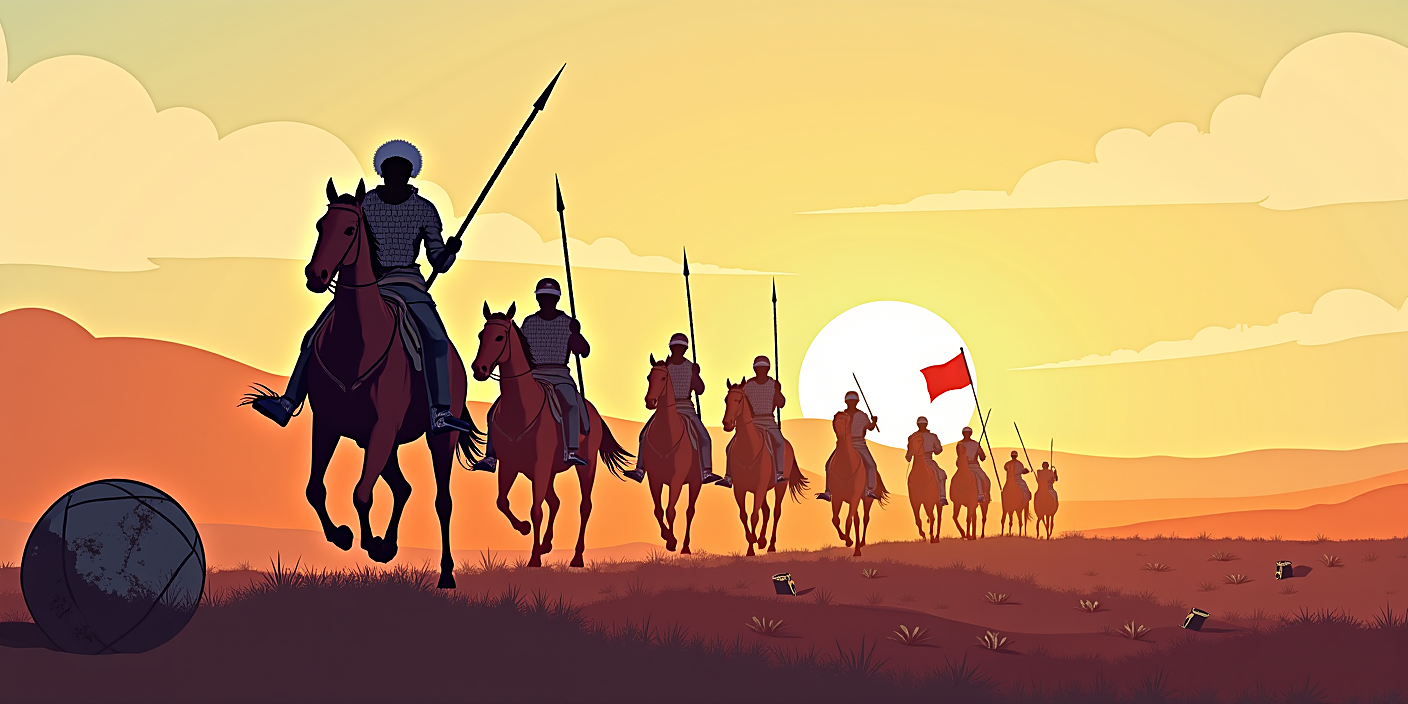
- A unique combat style and strong leadership abilities.
The Legacy of Timur
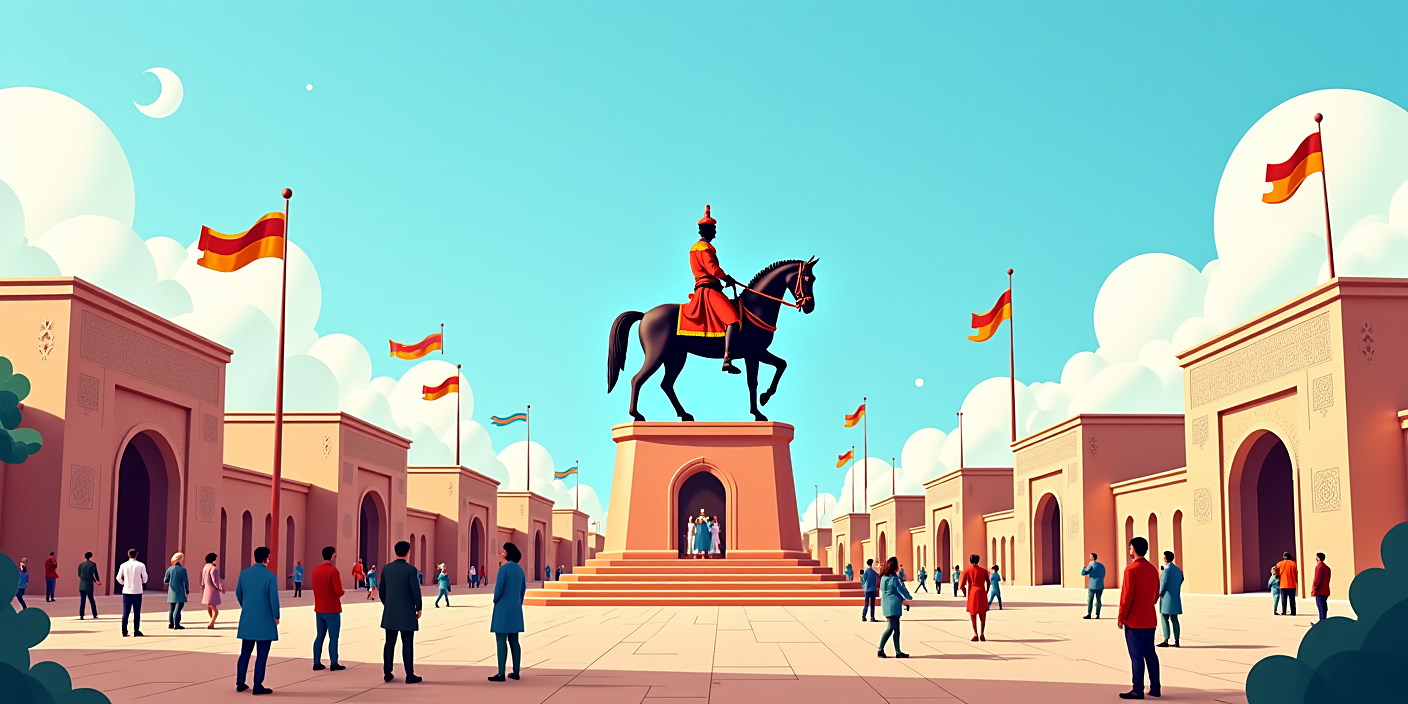
Timur contributed greatly to the development of culture and science, along with his military and political activities. He turned Samarkand into a cultural center and built many architectural landmarks.
This legacy is still valued today in Uzbekistan and around the world. The memorials and works of Timur are distinguished by the following important aspects:
- The history of the Timurid state.
- Architectural monuments, such as Registon Square.
- The role of Timur in Uzbek literature.
FAQ
Who was Timur?
Timur was a great statesman and commander who lived during the 14th century and established his empire.
Where was Timur born?
He was born in Shahrisabz city of Uzbekistan.
What wars did Timur lead?
He led many wars, including those to conquer Bukhara and Samarkand.
What is the historical legacy of Timur?
He built numerous cultural and architectural landmarks in Samarkand, as well as contributed to scientific development.
When did Timur die?
He died in 1405.
Conclusion
Timur is a significant figure in the history of Uzbekistan. His military and political activities, along with his cultural legacy, still hold their importance today.