Open spaces: modern architectural approaches and benefits
Open space architecture unites the community, enhances health and ensures ecological sustainability through innovative approaches.
Introduction
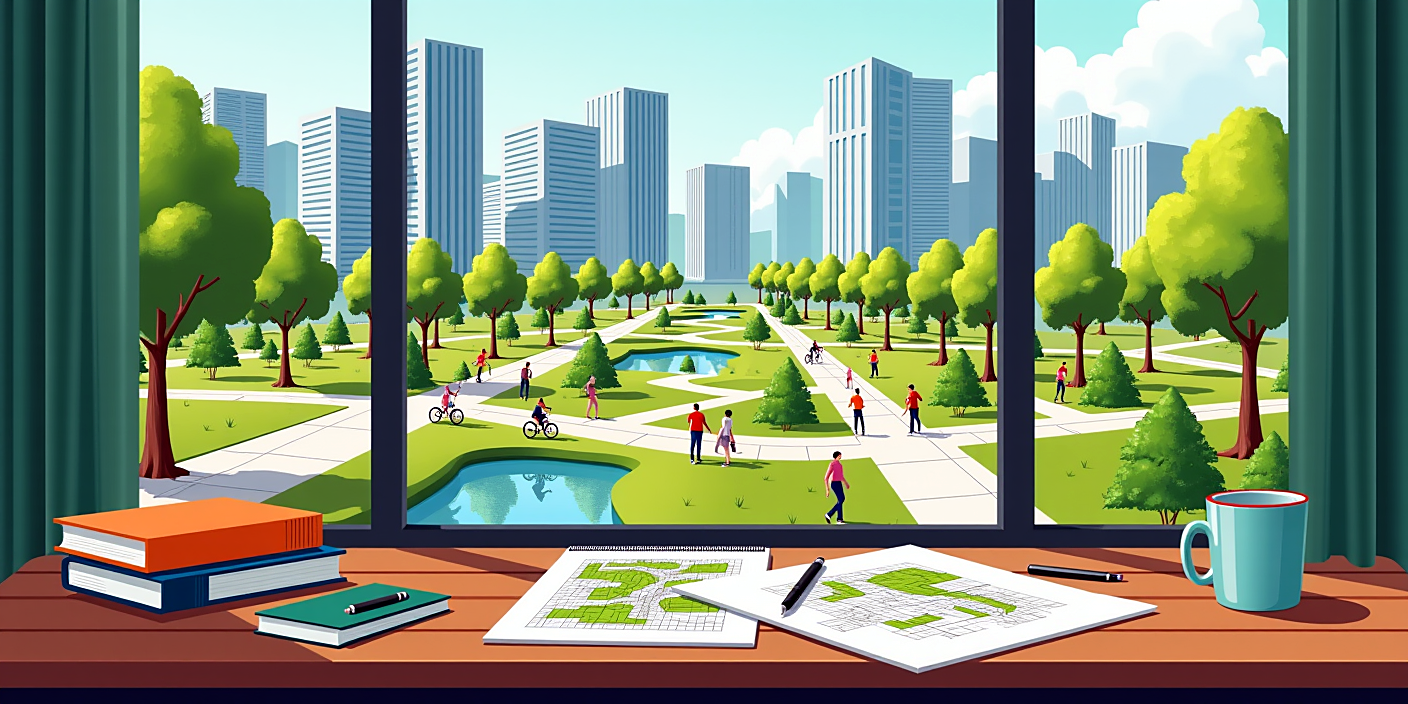
The architecture of open spaces plays a significant role in making modern cities more attractive and functional. In this article, we discuss innovative approaches to open spaces and their architectural research.
Innovative approaches are not only aimed at an aesthetic appearance but also at improving people's lives and health. The goals include bringing the community together through open spaces, developing social relationships, and increasing ecological sustainability.
Open Spaces and Their Importance
Open spaces perform various functions in the urban environment. Their main purposes include:
- Community relations: Open spaces create opportunities for people to meet and communicate with each other.
- Health and well-being: Open spaces increase physical activity and reduce stress levels among people.
- Eco-sustainability: Open spaces help preserve the natural environment and improve urban air quality.
In addition, open spaces require architects to adopt creative approaches in order to make cities more attractive. Through innovative designs, it is possible to expand the appearance and functional capabilities of cities.
Innovative Architectural Approaches
Innovative approaches in designing open spaces create many new opportunities. The following approaches are widely used today:
- Modular design: This approach enables quick and easy construction of open spaces, as well as adaptability to changes over time.
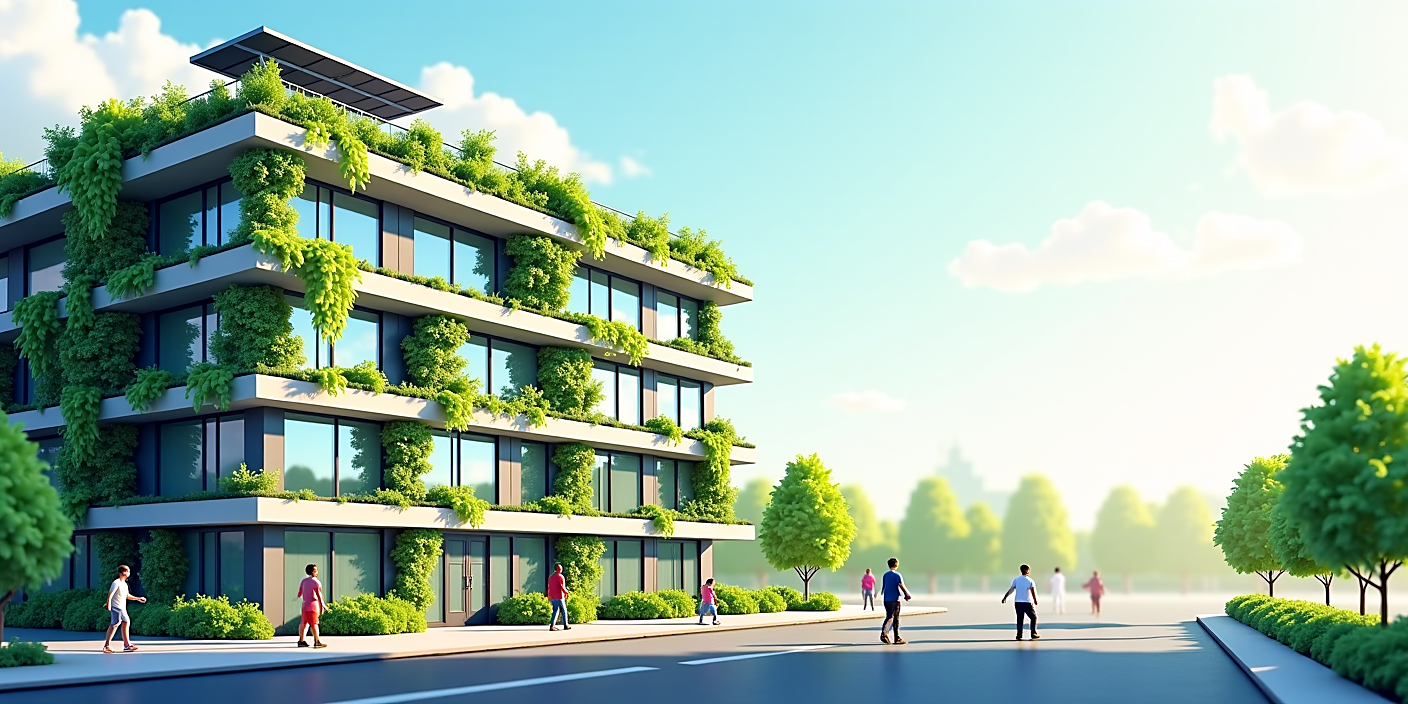
- Use of natural materials: Open spaces created with eco-friendly materials have an attractive appearance without harming the environment.
- Interactive elements: Interactive elements added to open spaces such as playgrounds or ecological indicators increase people's interest.
In addition, innovative approaches are required in order to preserve open spaces under changing climatic conditions. Successful projects must meet community needs without harming the ecosystem.
Open Spaces and Social Activities
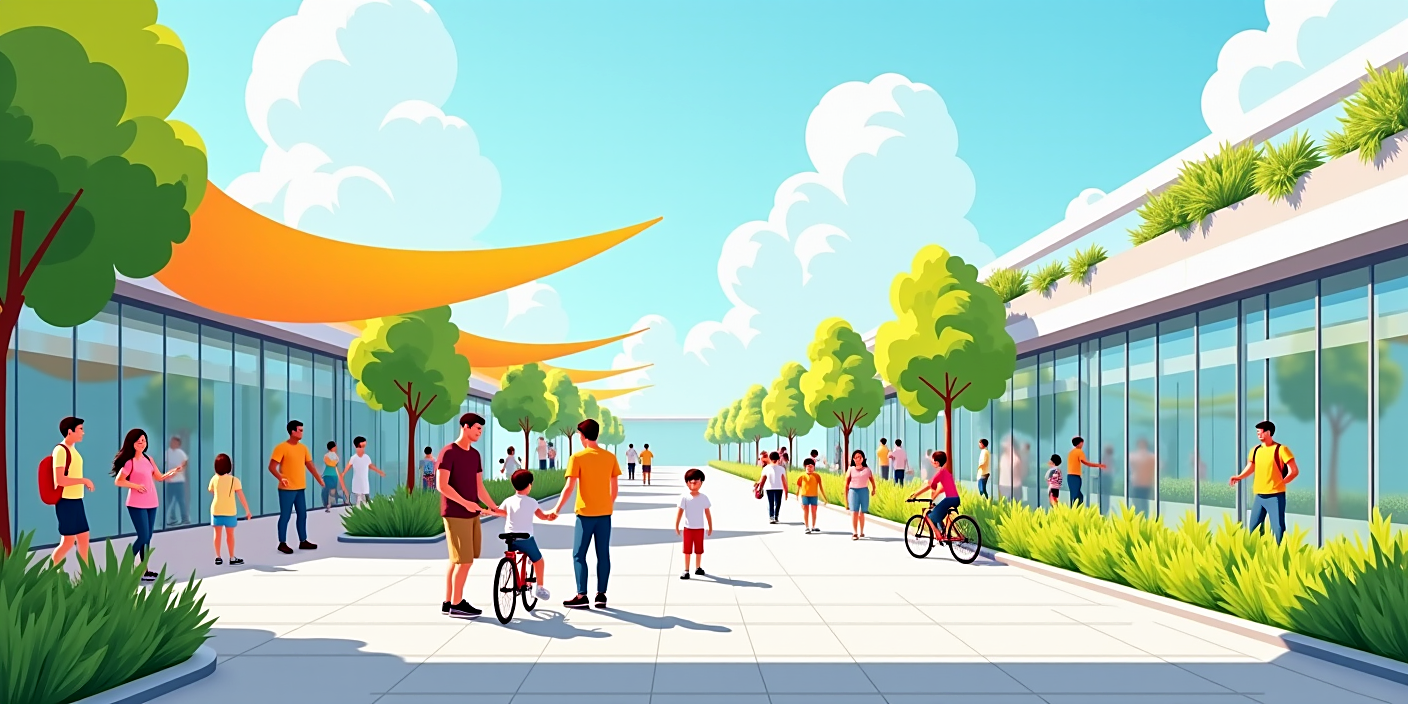
Open spaces stimulate social life among urban populations. They encourage social activities through the following aspects:
- Cultural events: Open spaces serve as venues for numerous cultural events, festivals and exhibitions.
- Sport and physical activity: Through sports fields and walking paths people can increase their physical activity.
- Interpersonal communication: Open spaces allow people to connect with each other, make new friends and be active on social networks.
In addition, by participating in community events at open spaces, people have the opportunity to present their thoughts and ideas to one another. This further unites the community.
FAQ
Why are open spaces important?
Open spaces unite communities, improve health and increase ecological sustainability.
How does innovative architecture bring changes?
Innovative architecture helps to create modern and ecologically clean public areas that meet the needs of the community.
What social activities do open spaces encourage?
Open spaces serve as venues for cultural events, sports and physical activities.
What is modular design?
Modular design is an approach that allows quick and easy construction of public areas.
What interactive elements are used in open spaces?
In open spaces, playgrounds, ecological indicators and other interactive elements are used.
Conclusion
Innovative approaches to the architecture of open spaces make urban environments more attractive and functional. Through these approaches it is possible to unite communities, improve health and increase environmental sustainability. Further research and developments in open spaces are expected in the future.