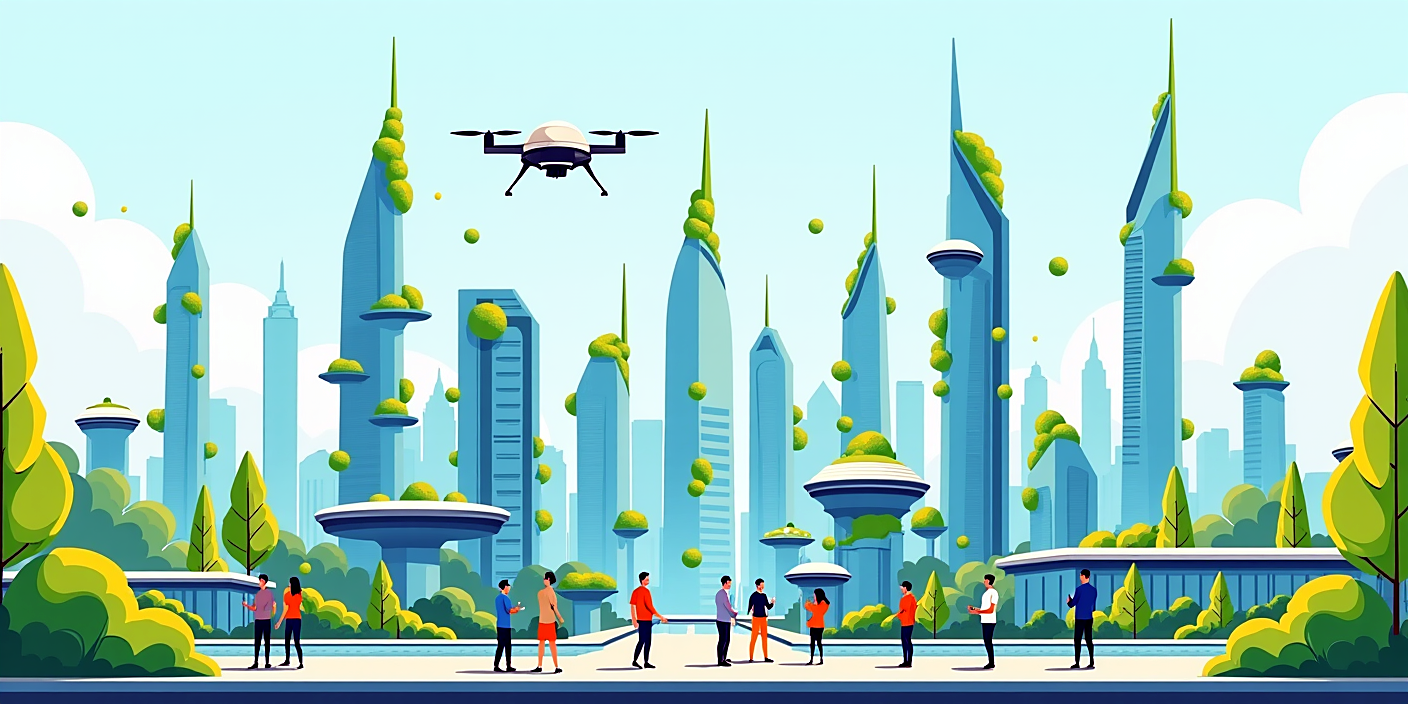
Smart Cities: Future Architecture and Its Advantages
Smart cities improve urban life through innovative technologies and provide a high-quality living environment.
Smart cities: about future architecture
Smart cities, that is intelligent cities, are designed to make city life more comfortable and efficient with the help of modern technologies and innovations. These cities stand out with energy efficiency, transport systems, security and communication opportunities.
In this article we will provide detailed information on smart cities' architecture, advantages and current developments.
Smart Cities Architecture
The architecture of smart cities is mainly built based on innovative design and technologies. The following elements form the basis of this architecture:
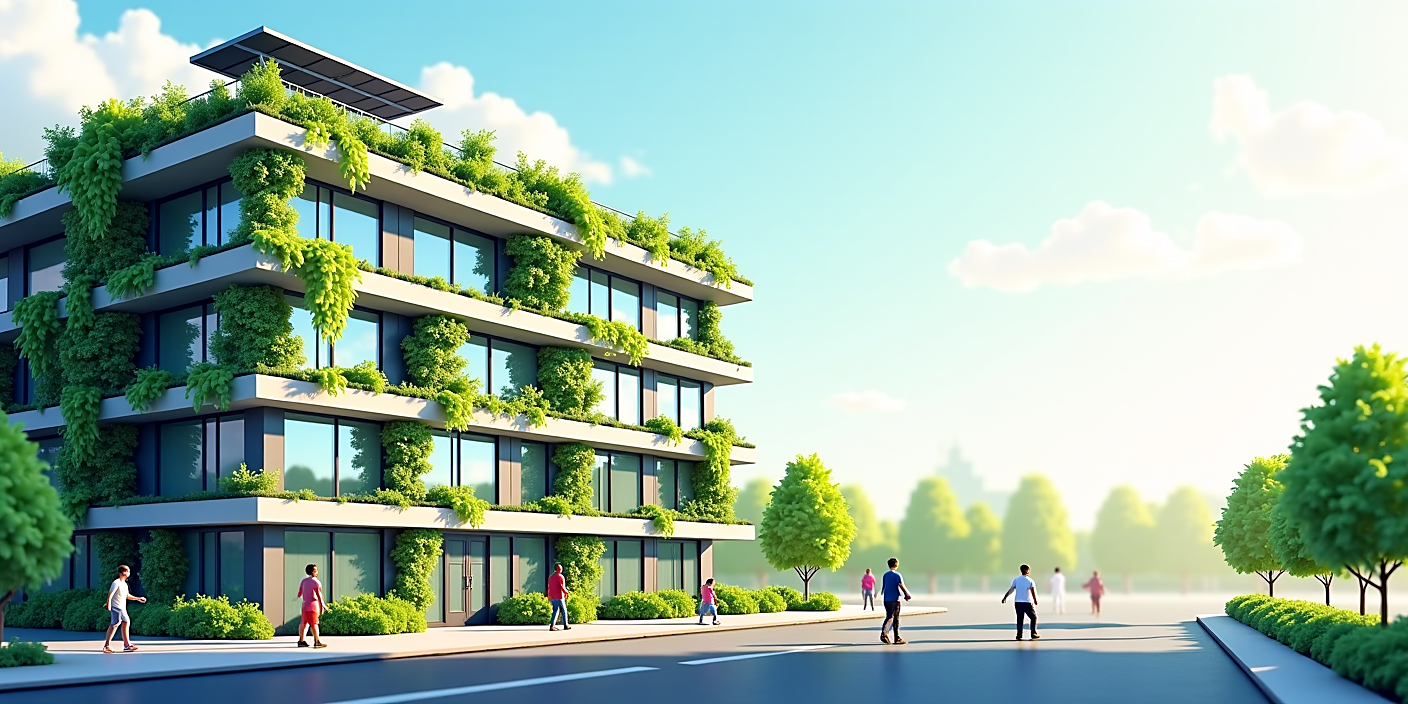
- Modular buildings: Designed for fast and easy construction.
- Green technologies: Energy efficiency and eco-friendly materials.
- Intelligent transport systems: Use of sensors and digital platforms to optimize transportation movement.
In addition, smart cities must always be ready to adapt to changing demands and conditions. This requires innovation in the architecture and design process.
Advantages of Smart Cities
Smart cities offer the following advantages:
- High quality life: Improvement of living environment and development of infrastructure.
- Convenient transport systems: Facilitate transportation movement for residents.
- Eco-friendly environment: Protect nature by saving energy and reducing waste.
These advantages help improve the quality of life for city inhabitants and increase cities' competitiveness.
FAQ
What are smart cities?
Smart cities are considered as cities developed to improve urban life with modern technologies.
What are the benefits of smart cities?
Smart cities offer advantages such as high quality life, convenient transport systems and an eco-friendly environment.
How does the architecture of smart cities change?
The architecture of smart cities develops based on innovative designs and green technologies.
How can security be ensured in these cities?
Modern monitoring systems and sensors are used to ensure security in smart cities.
Who participates in the development of smart cities?
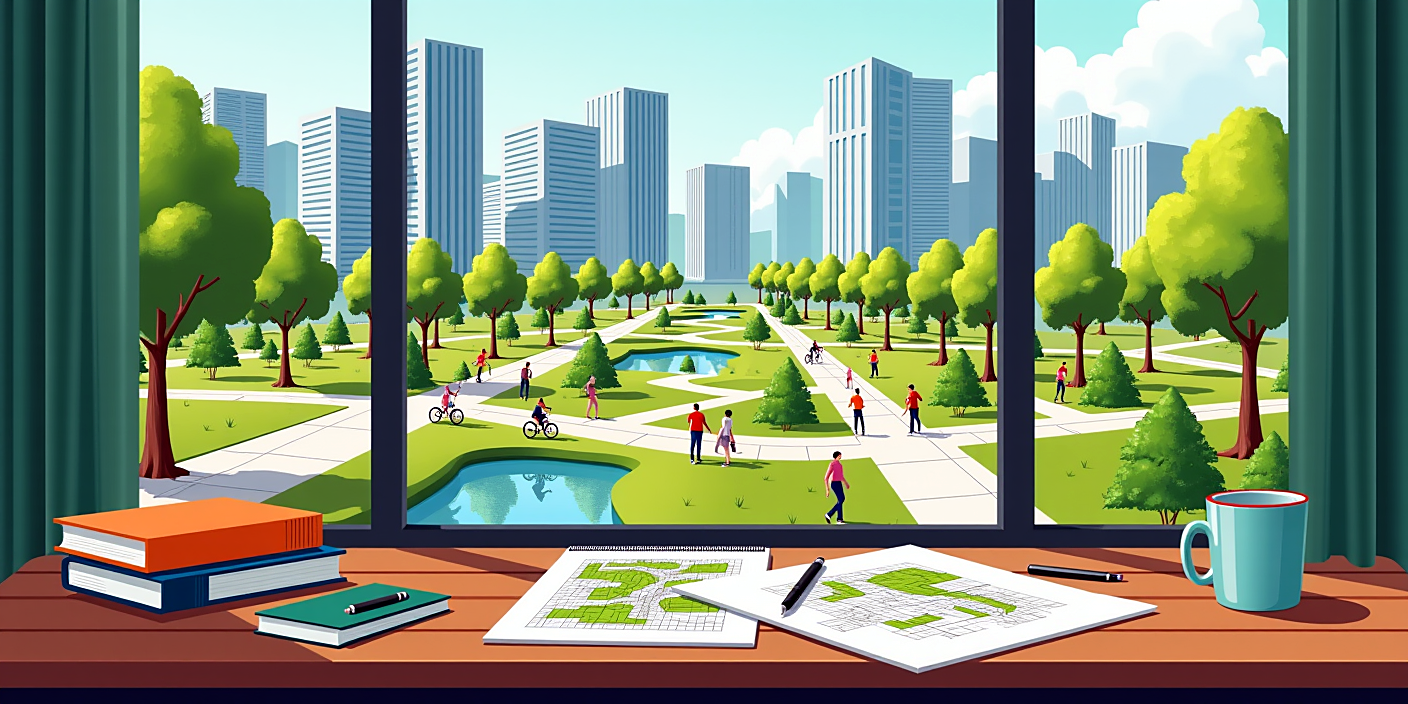
Architects, engineers, urban planners and technology specialists participate in developing smart cities.
What will future smart cities look like?
Future smart cities are characterized by more advanced technologies and sustainable development strategies.
Conclusion
Smart cities are an important direction of future architecture and urban planning. They help improve city life and create comfortable conditions for residents through innovative technologies. Thus, smart cities not only change our lives but also determine our future.