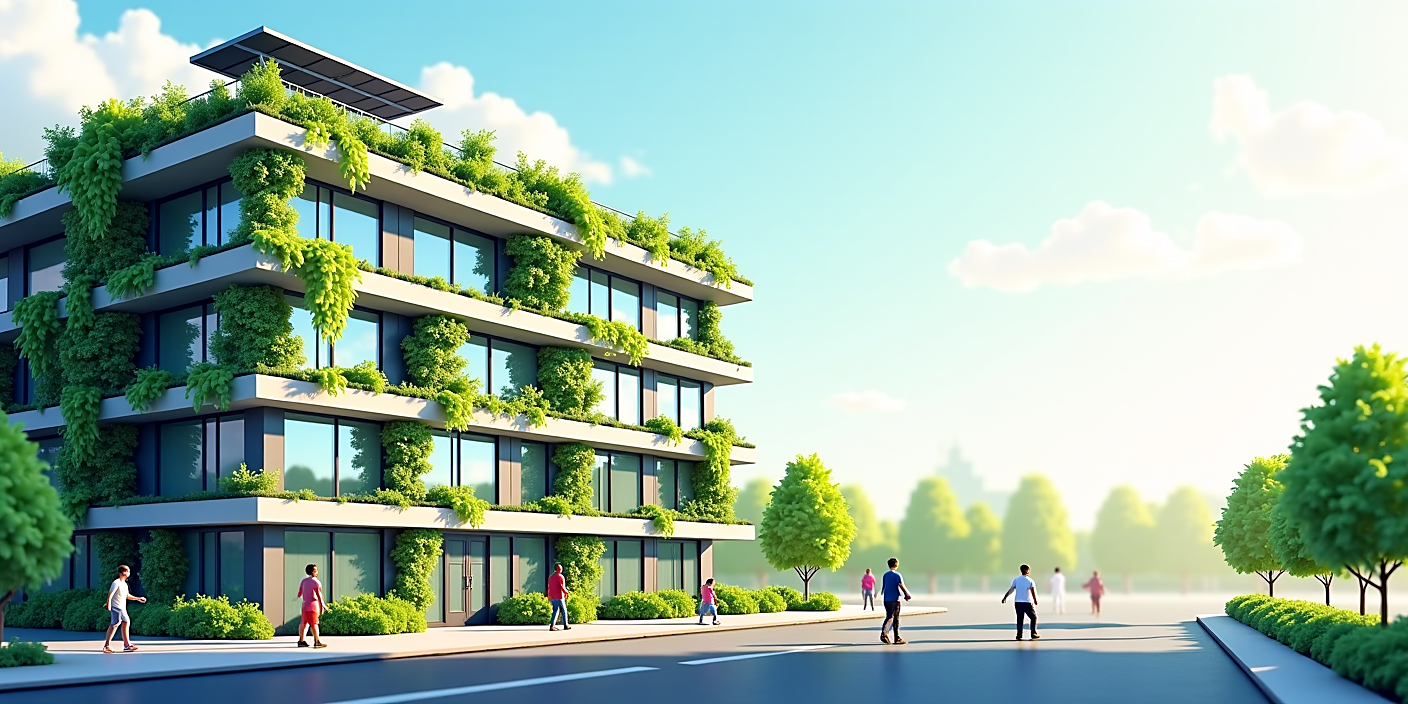
Stable architecture designs: principles for improving the future
Stable architecture designs have a positive impact on the environment and offer economically efficient solutions.
Introduction
Sustainable architectural designs play a significant role in the development of modern cities and rural areas. These designs should have minimal impact on the environment while also being economically efficient.
In this article, we provide information about the key principles, advantages, and important aspects of implementing sustainable architectural designs.
Principles of Sustainable Architecture
The following are fundamental principles in sustainable architectural design:
- Energy efficiency: Equipping buildings with energy-efficient materials and technologies.
- Recyclable materials: Using recycled and environmentally clean materials during the construction process.
- Water conservation and resources: Conserving water and using natural resources wisely.
These principles help in creating sustainable, long-lasting, and economically efficient structures.
Advantages of Sustainable Architectural Designs
A number of advantages exist for sustainable architectural designs:
- Environmental impact: Sustainable designs have a positive effect on the environment and help in conserving natural resources.
- Economic benefit: Efficient use of energy and resources reduces costs.
- Health benefits: Sustainable buildings possess features that contribute to improving human health.
These advantages make sustainable architectural designs more attractive and help in their widespread adoption.
Implementing Sustainable Architectural Designs
To implement sustainable architectural designs, the following important aspects should be considered:
- Planning: It is necessary to create a clear and detailed plan for each project.
- Innovative technologies: Using new technologies ensures energy conservation and efficient use of resources.
- Civil society participation: Collaboration with the community during implementation is important.
These aspects help in successfully implementing sustainable architectural designs.
FAQ
What is sustainable architecture?
Sustainable architecture involves using natural resources wisely within engineering and design processes, taking into account ecological, social, and economic factors.
What are the key principles of sustainable architecture?
The principles of sustainable architecture include energy efficiency, recyclable materials, and wise use of natural resources.
What are the advantages of sustainable architectural designs?
Stable designs have a positive impact on the environment, reduce costs and improve human health.
What aspects should be considered when implementing sustainable architectural designs?
Planning, using innovative technologies and community participation are important aspects.
What resources are needed to implement sustainable architecture?
Sustainable architecture requires energy-efficient materials, recycled materials and advanced technologies.
Conclusion
Sustainable architectural designs are of great importance today and offer effective solutions for the environment and human health. By taking these principles into account, we can improve the future.