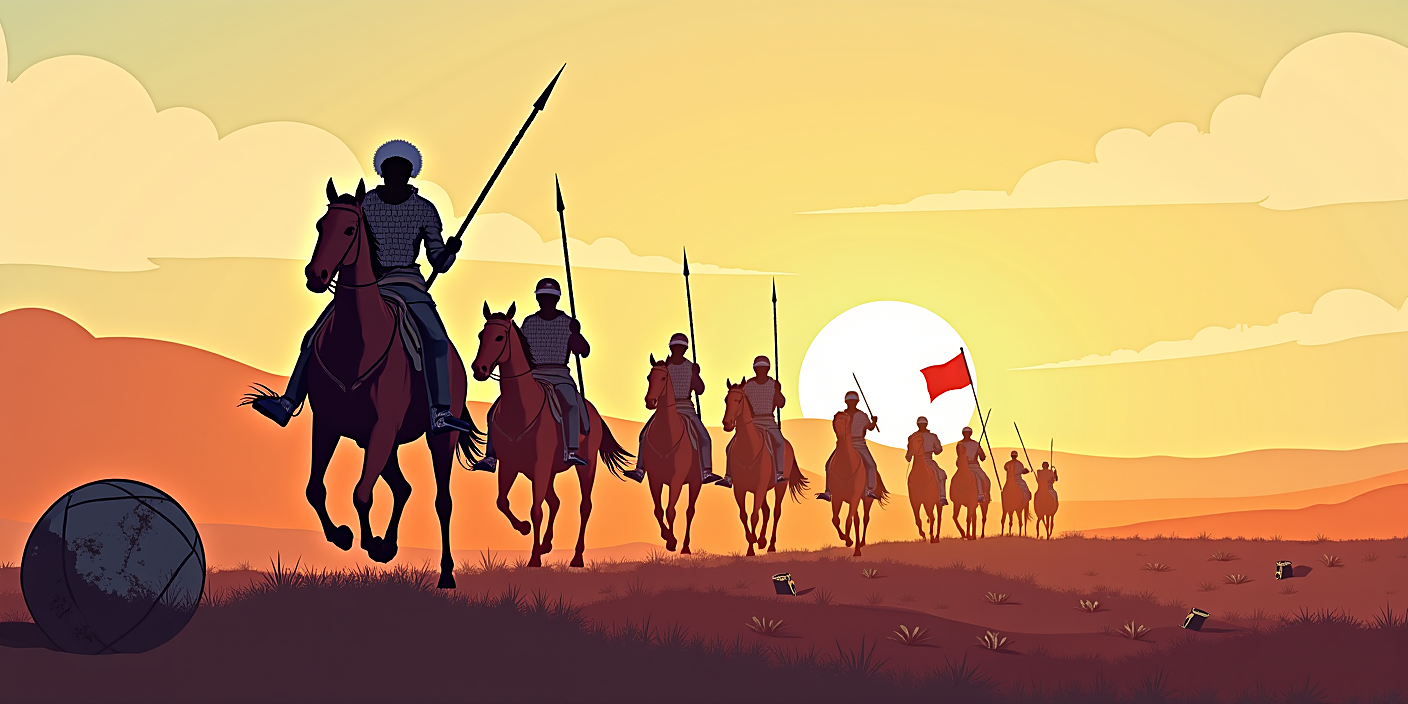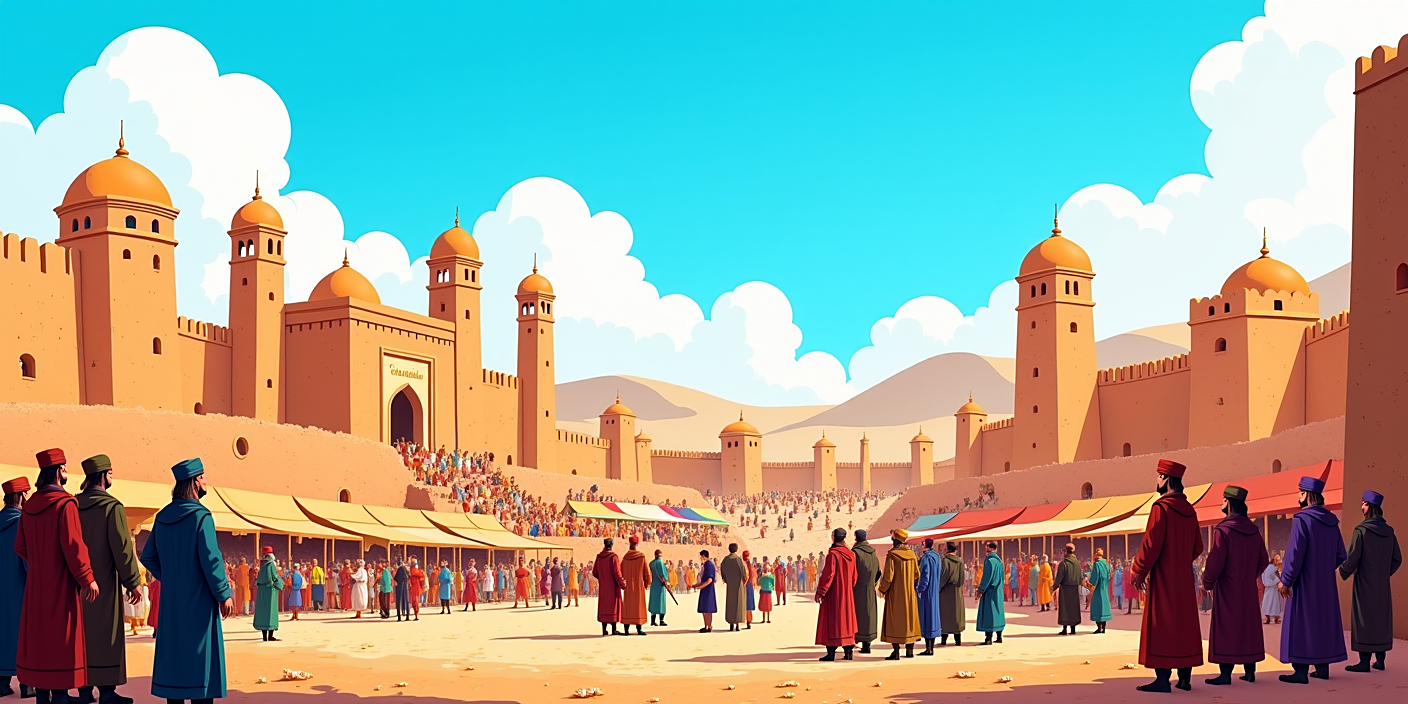
The Formation of Uzbek Khanships and Their Historical Significance
The formation of Uzbek khans played an important role in the history of Central Asia. Detailed information about their history and significance.
Formation of Uzbek Khanates
The history of the Uzbek Khanates developed in Central Asia under the influence of many peoples and states that created a unique and rich culture. These khanates mainly emerged in the 15th century, forming as a result of mutual conflicts, political changes, and economic development.
The formation of the Uzbek Khanates is primarily associated with the unification of various tribes and ethnic groups. Each brought their own culture and traditions, which greatly influenced the historical development of the region.
Main Periods of the Khanates
Several important periods can be distinguished in the history of the Uzbek Khanates:
- Timurid period (14th-15th centuries)
- Sheybaniy period (15th-16th centuries)
- Karakalpak Khanate (17th century)
- Bukhara Khanate (16th-20th centuries)
- Khiva Khanate (16th-20th centuries)
Each period had its own characteristics and brought significant changes in economic, political, and cultural life.
People and Their Roles
A number of important figures played a key role in the formation of the Uzbek Khanates. Their thoughts and actions greatly influenced the political and cultural development of the khanates.
- Ameer Temur - Founder of the Timurid dynasty, established a powerful state in Central Asia.
- Sheybaniy Dynasty - This dynasty ruled many khans and created new political structures in Uzbekistan.
- Bukhara Khans - They played an important role in economic and cultural development.
These individuals not only contributed to the governance of the khanates, but also made significant contributions to the development of culture and art.
FAQ
When did Uzbek Khanates emerge?
The Uzbek Khanates mainly began forming in the 15th century.
What is the significance of the Timurid period?
The Timurid period played an important role in establishing a powerful state and cultural development in Central Asia.
Who were the Sheybaniys?
The Sheybaniys were a dynasty that ruled Uzbekistan from the 15th to the 16th centuries.
When was the Bukhara Khanate established?
The Bukhara Khanate was an important khanate existing from the 16th century until the 20th century.
What role did the Khiva Khanate play?
The Khiva Khanate played a significant role in the cultural and economic life of Uzbekistan.
Conclusion
The formation of the Uzbek Khanates emerged as a result of the combination of many people, periods, and cultures. These khanates have had an important significance in Central Asian history, and their influence is still felt today.