The Great Silk Road: The Importance of History and Culture
The Silk Road was an important route that promoted trade and culture. Economic growth and cultural exchanges were realized through this road.
General Information about the Silk Road
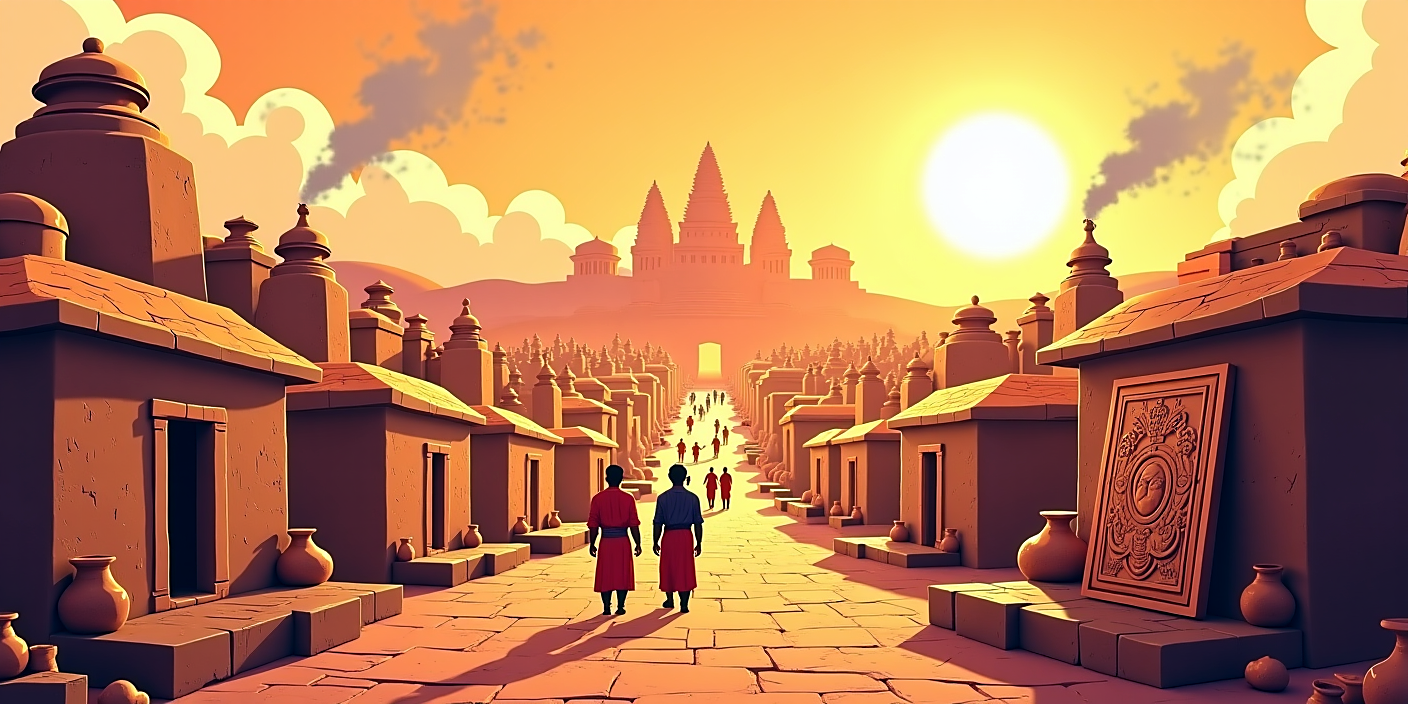
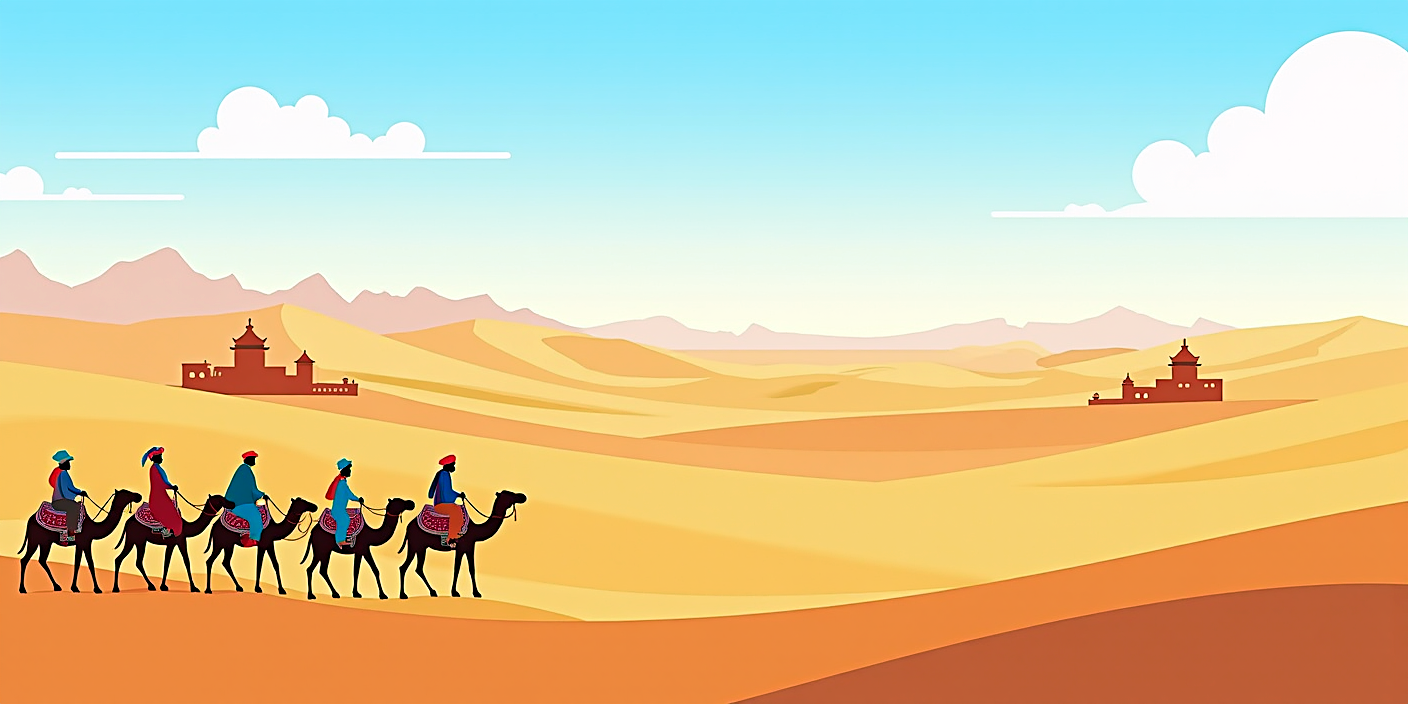
The Silk Road was a historical trade route that played an important role in exchanging goods, culture and ideas between East and West. Through this road, trade relations developed among many countries and mutual cultural influences emerged.
Although the name of the Silk Road is mainly related to silk trade, other various goods such as agricultural products, precious metals and different artistic works were also transported along this route.
Geographic Directions of the Silk Road
The Silk Road had several directions, each including different countries and civilizations. Among these directions are:
- The road from Shanghai to Bukhara
- The road passing through Central Asia
- The road passing through India and the Near East
These directions strengthened interconnections and contributed to economic and cultural development.
Significance of the Silk Road
The Silk Road is not only a trade route, but also an area for cross-cultural communication. Through this road, many ideas and technologies were transferred from one another.
The significance of this road can be seen through the following aspects:
- Economic development: Economic growth was observed among countries through trade relations.
- Cultural exchange: The cultures and customs of different nations influenced each other.
- Science and technology: New scientific ideas and technologies were spread along the Silk Road.
FAQ
When did the Silk Road emerge?
The Silk Road emerged around the 2nd century BC, starting mainly from China and continuing through Central Asia.
What goods were traded via the Silk Road?
A variety of goods such as silk, agricultural products, precious metals and artistic works were traded along the Silk Road.
Who used the Silk Road?
The Silk Road was used by traders from China, India, Persia, Rome and many other countries.
What is the modern significance of the Silk Road?
In the modern era, the Silk Road holds historical and cultural heritage value as well as plays an important role in global trade and economics.
Through which geographic regions did the Silk Road pass?
The Silk Road passed through China, Central Asia, India and the Near East.
Conclusion
The Silk Road was a historically significant trade route that played an important role in developing relations between various civilizations and countries. The experiences and knowledge gained along this road continue to hold their significance even today.