The process of rehabilitating buildings: Advantages and stages
The process of rehabilitating buildings is an important process to improve their technical condition and adapt them to modern requirements.
Building Rehabilitation Process
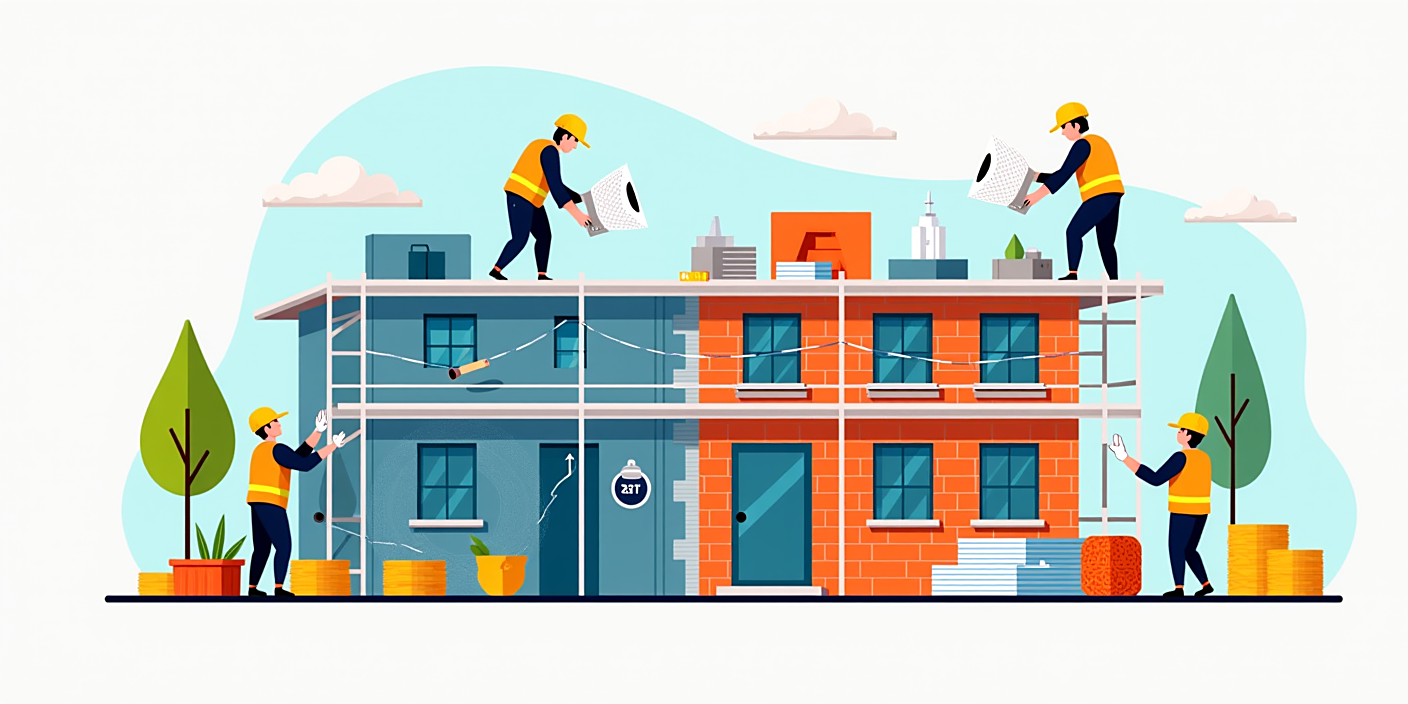
The building rehabilitation process is important for the long-term use of architecture and structures. This process includes improving the technical condition of buildings and adapting them to modern requirements.
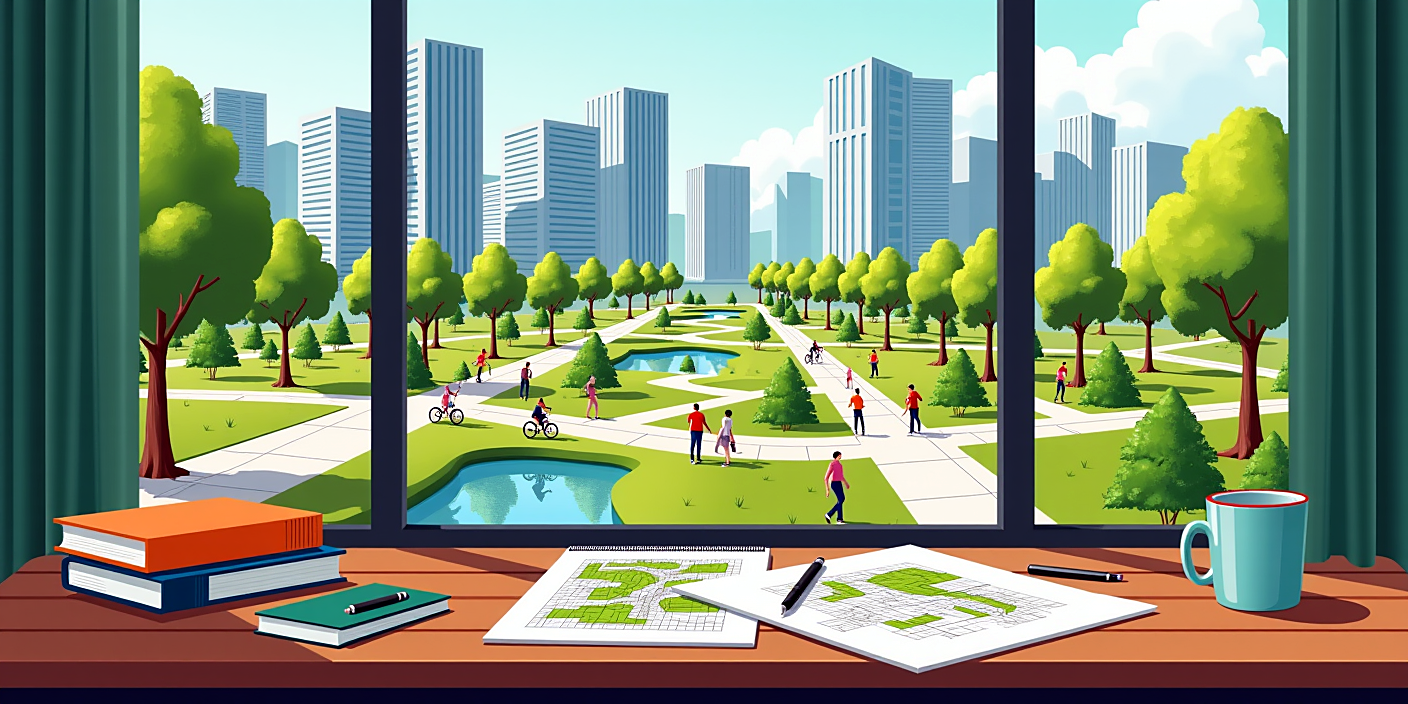
Rehabilitation involves many aspects, such as structure, design, and ecological conditions. The success of this process depends on planning and implementation stages.
Stages of Rehabilitation Process
The rehabilitation process consists of several main stages:
- Inspection and Analysis: Experts examine the condition of the building to determine its status.
- Planning: The best solutions are developed, along with a plan for their implementation.
- Implementation: The rehabilitation process is carried out according to planned methods.
- Maintenance Monitoring: After the work is completed, the condition of the building is continuously monitored.
Advantages of Rehabilitation Process
There are several advantages to rehabilitating a building:
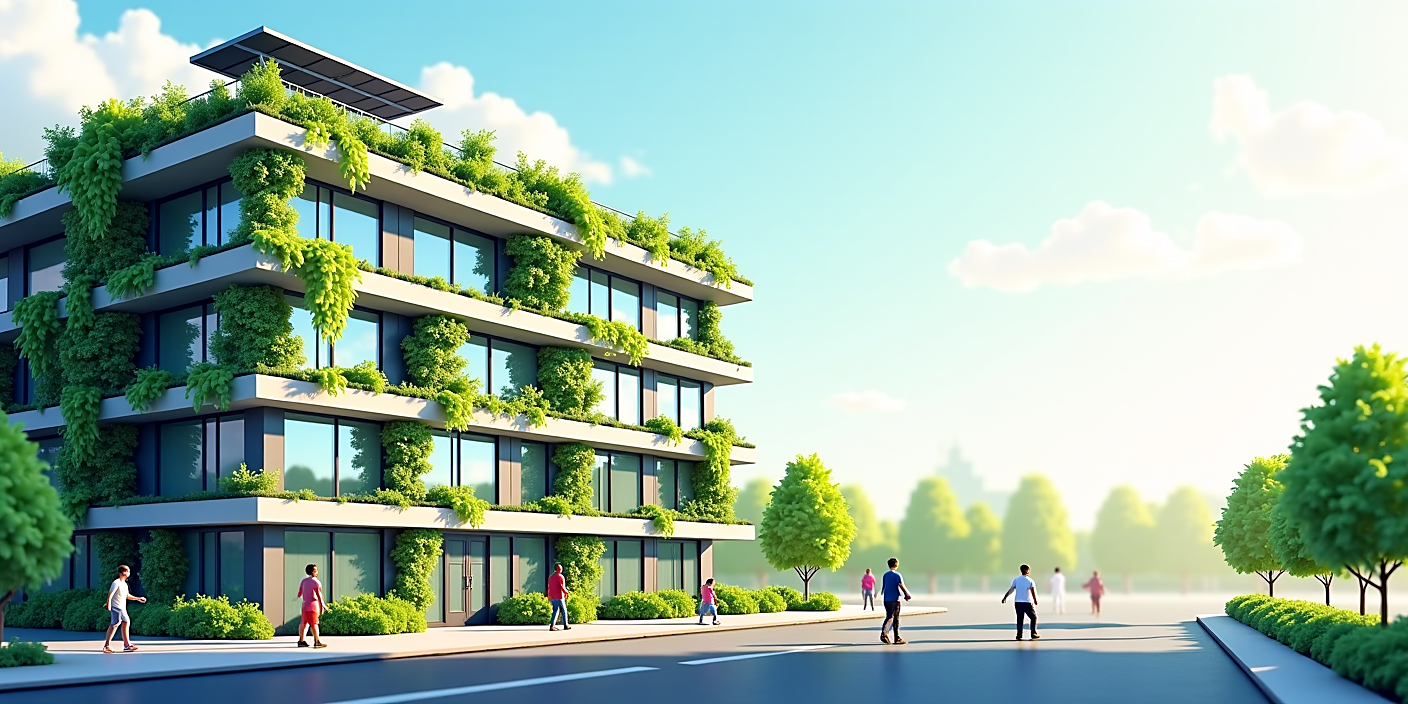
- Eco-friendly: The renovation process causes less damage to the environment.
- Economic efficiency: Renovating existing buildings is more economically beneficial than constructing new ones.
- Preservation of historical heritage: Preserving old buildings has cultural and historical significance.
Mandatory Materials for Rehabilitation Process
The materials used in the rehabilitation process are important:
- Construction materials: They should be suitable for density, strength, and long-term use.
- Eco-friendly materials: Eco-friendly materials do not harm the environment.
FAQ
What is a rehabilitation process?
The rehabilitation process involves improving the technical condition of buildings and adapting them to modern requirements.
What types of materials are used in the rehabilitation process?
The process uses construction and eco-friendly materials.
What advantages does the rehabilitation process offer?
Its benefits include ecological cleanliness, economic efficiency, and preservation of historical heritage.
How long does a rehabilitation process last?
The duration depends on the condition of the building and the complexity of planned works.
Conclusion
The building rehabilitation process is necessary to ensure their long-term use. The advantages and stages of this process allow buildings to be updated according to modern requirements.