The Silk Road: Historical Significance and Impact
The Silk Road promoted economic and cultural relations. Trade and exchange of ideas were carried out through this road.
General Information about the Silk Road
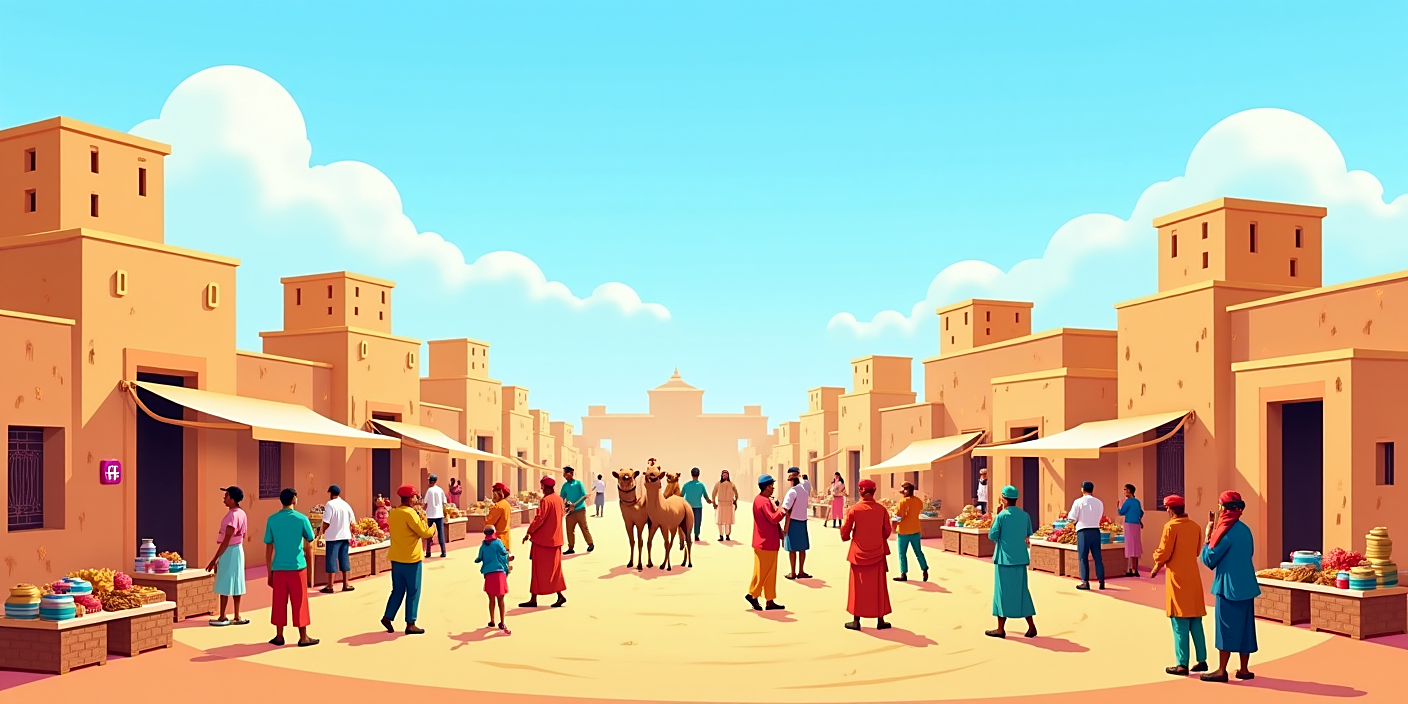
The Silk Road was an ancient trade route that facilitated economic and cultural exchanges between East and West. Various products such as silk, spices, precious stones, metals, and other goods were traded along this road.
This road was not only a trade route but also held significant importance for the exchange of culture and ideas. Religious beliefs, art, and scientific fields also experienced exchanges through the Silk Road.
Development of the Silk Road
The Silk Road began its activities from as early as the 2nd century BC. It started in western China and extended across Central Asia, along the coast of the Middle East, even reaching Europe.
- China - main region for silk production.
- Central Asia - center for trade and cultural exchange.
- The Persian Gulf - gateway to Western markets.
In addition, various states such as Rome, Parthia, and Sogdiana also played a significant role in the development of this road. They transported their products to other regions through this route.
Impact of the Silk Road
The Silk Road had not only an economic but also political and cultural impact. It created new opportunities for international trade and diplomacy.
- Exchange of religious beliefs: spread of Buddhism, Christianity, and Islam.
- Art and culture: artistic works and literature from different nations influenced each other.
- Science and technology: scientific progress was achieved through inventions such as paper and compasses.
In addition, the social and cultural exchanges that occurred along trade routes established friendly relations and cooperation between peoples.
FAQ
What purpose did the Silk Road serve?
The Silk Road was mainly created to develop trade and economic connections.
Which countries actively participated in the Silk Road?
Countries such as China, Rome, Parthia, and Sogdiana actively participated in the Silk Road.
What cultural impact did the Silk Road have?
It encouraged cultural exchanges in religious beliefs, art, and science fields.
What significance does the Silk Road hold today?
Todays the Silk Road serves as a basis for the development of modern trade routes and is valued as a historical heritage.
Which products were traded along the Silk Road?
Silk, spices, precious stones, and metals were traded through this route.
Conclusion
The Silk Road was an historically significant trade route that facilitated economic and cultural exchanges between East and West. Along this road not only goods but also ideas and cultures exchanged.