The Soviet era and its impact on Uzbekistan: Historical context
The Soviet period in Uzbekistan caused social, economic and political changes. Learn about its historical impact.
Introduction
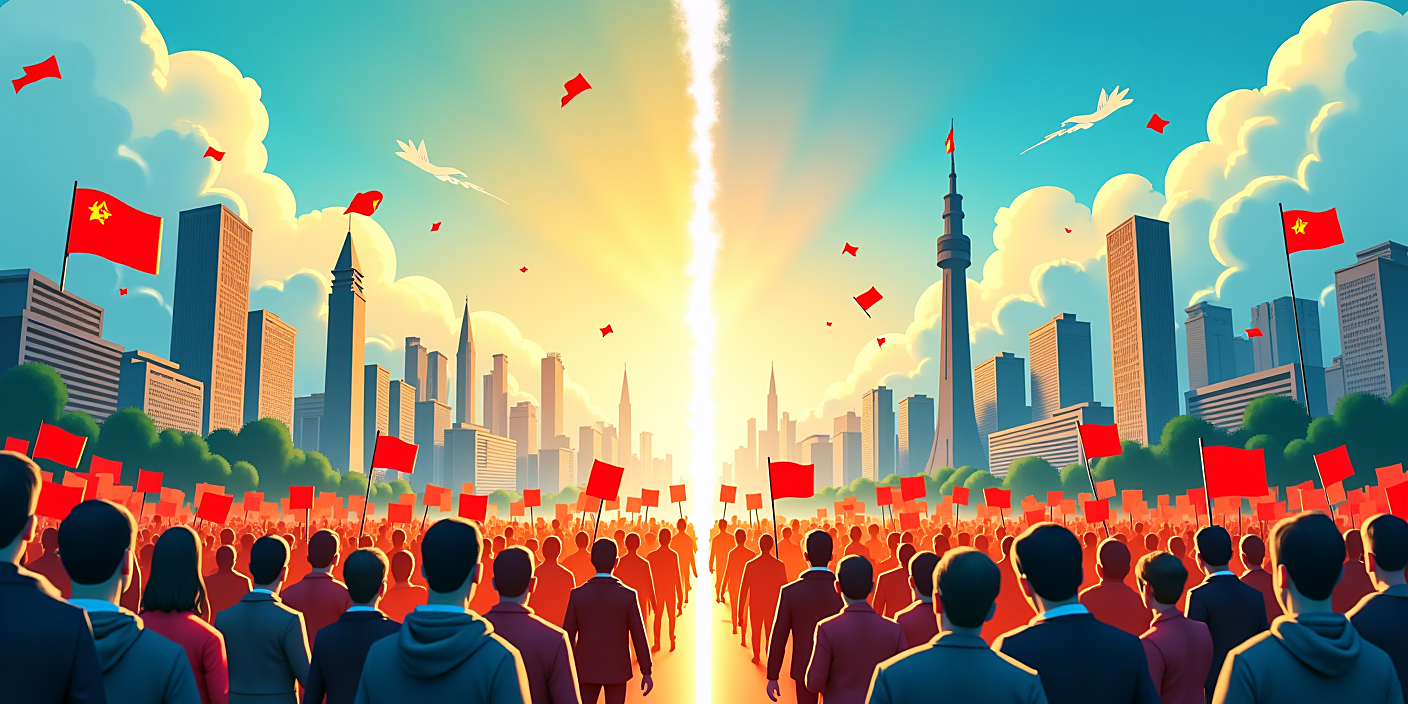
The Soviet period, from 1922 to 1991, holds a significant place not only in the history of Uzbekistan but also in world history. The political, economic and social changes implemented during this time left a great mark on human history.
As part of the Soviet Union, Uzbekistan witnessed a number of social and cultural changes. This article examines the impact of the Soviet period on Uzbekistan and its historical significance.
Social Impact of the Soviet Period
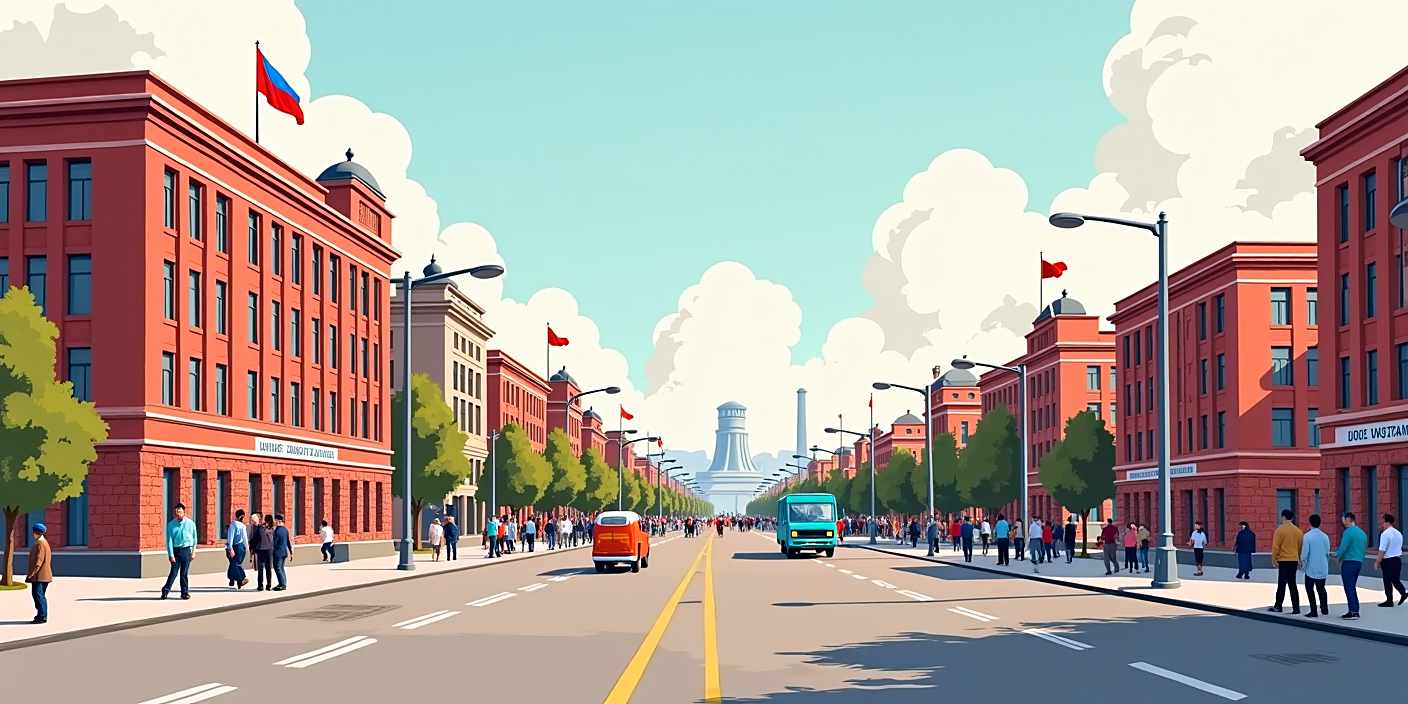
During the Soviet era, significant changes occurred in the social life of Uzbekistan. Many innovations were introduced in areas such as social programs, education and healthcare for the population.
- The education system was expanded and new schools and universities were established.
- New clinics and hospitals opened in the field of health care.
- Social infrastructure also improved in rural areas.
However, these changes also brought about many problems. Struggles continued to ensure social equality and justice.
Economic Effects
During the Soviet period, Uzbekistan's economy was focused on agriculture. However, great attention was paid to developing industry as well.
- Cotton production remained the main sector of the country's economy.
- Industrial plants were opened and new jobs were created.
- Infrastructure developed and transportation and communication systems improved.
At the same time, problems also arose in the system of economic centralization and planning. This had a negative impact on Uzbekistan's economic development.
Political Effects
The Soviet period caused great changes in the political life of Uzbekistan. The rule of the Communist Party was established in the country and political freedoms were restricted.
Political effects included the following aspects:
- The political independence of Uzbekistan was limited.
- Party decisions directly affected people's lives.
- National culture and traditions were suppressed in many cases.
FAQ
When did the Soviet period begin and end?
The Soviet period began in 1922 and ended in 1991.
What importance did Uzbekistan have within the Soviet Union?
Uzbekistan played an important role in cotton production and agriculture, as well as providing necessary resources for industrial development.
What were the social changes in Uzbekistan?
Broad-ranging changes were implemented in areas such as education, healthcare and infrastructure.
How were political freedoms restricted?
During the Soviet period, political parties and free thinking were restricted, with only the Communist Party ruling.
How did the Soviet period affect Uzbekistan's culture?
National culture and traditions were often suppressed, but cultural development was also observed in some areas.
Conclusion
The Soviet period holds a significant place in the history of Uzbekistan. The social, economic, and political changes that occurred during this time are still reflected in the country's current situation. Understanding their impact is crucial for determining future directions of development.