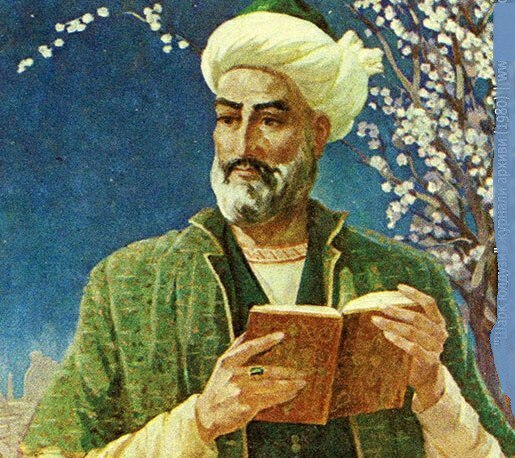
Brief information about Alisher Navoiy
Alisher Navoiy — one of the most influential figures in Uzbek literature and culture, a great poet, thinker, and statesman who lived and created in the 15th century.
The life and activities of Alisher Navoiy
Alisher Navoiy was born on February 9, 1441 in the city of Herat. His full name is Nizomiddin Mir Alisher. He was interested in science and literature from a young age and also actively participated in state management. Navoiy studied in Samarkand, Bukhara and Herat, meeting leading scholars and poets of that era.
The creativity of Alisher Navoiy
Navoiy's creative work is mainly focused on poetry. His works were written in Turkish (Chigatay) language, and he made a significant contribution to the development of this language as a literary language. His most famous work is "Xamsa" (five poems), which includes five stories:
Hayrat ul-abror
Farhad and Shirin
Leyli and Majnun
Sab'ai Sayyor (Seven Planets)
Saddi Iskandariy
In the works of Alisher Navoiy, human values such as justice, love and knowledge are reflected.
The role of Alisher Navoiy in Uzbek literature
Alisher Navoiy is considered a pioneer in the development of the literary language of the Uzbek language. He raised Turkish not only in poetry but also in prose and panegyric to a high level. The creativity of Navoiy had a great impact on the cultural and spiritual life of the Uzbek people, creating the basis for today's literature.
The cultural heritage and importance of Alisher Navoiy
Navoiy is not only known as a poet but also as a thinker and statesman. His works have been translated into various languages around the world. His creativity is considered an important cultural heritage for the Republic of Uzbekistan and all Central Asia. Every year, festivals, scientific conferences and literary events are held in his honor.