City infrastructure development strategies: A sustainable future
Achieve economic stability and improve residents' well-being through city infrastructure development strategies.
Introduction
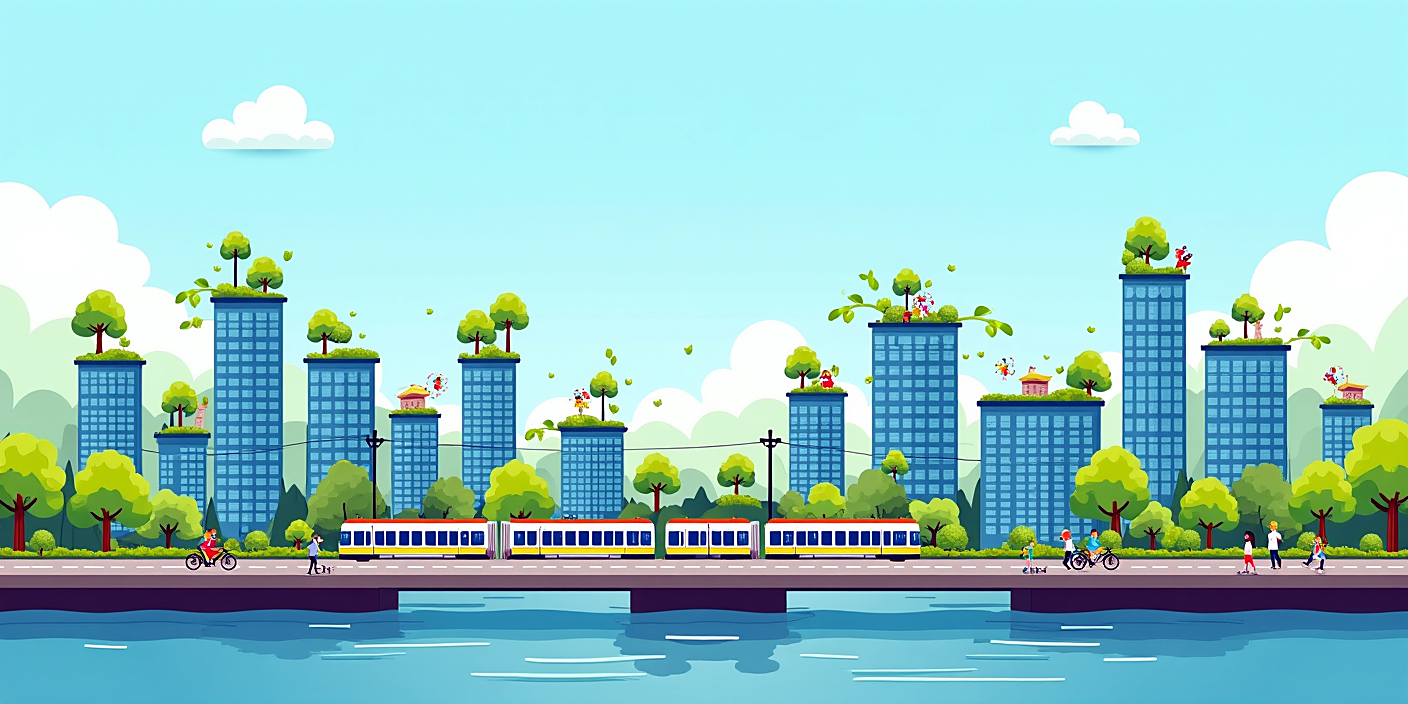
Strategies for developing urban infrastructure are of great importance for modern cities. These strategies aim to increase the economic stability, ecological condition and well-being of citizens.
Urban infrastructure includes areas such as transport, energy, communication and social services. This article examines effective development strategies.
1. Improving Transport Infrastructure
The transport system is an important part of urban infrastructure, and the following strategies can be implemented to increase its efficiency:
- Developing public transportation: Opening new routes and modernizing transport vehicles.
- Bicycle lanes construction: Encouraging eco-friendly modes of transport.
- Upgrading road infrastructure: Improving traffic flow by widening and repairing roads.
These strategies provide convenient and fast transportation services for urban residents. In addition, they help reduce infrastructure load and carbon emissions.
2. Increasing Energy Efficiency
Increasing the efficiency of using energy resources is another important aspect of urban infrastructure. This includes:
- Implementing renewable energy sources: Using solar and wind energy.
- Adopting energy-saving technologies: Utilizing lightweight construction materials and energy-efficient equipment.
These strategies help reduce urban energy consumption and improve the ecological environment. In addition, they increase residents' well-being by reducing energy costs.
3. Developing Social Infrastructure
Developing social infrastructure is necessary for a quality life of city residents. This includes:
- Strengthening educational institutions: Modernizing the infrastructure of schools and universities.
- Improving health services: Expanding and modernizing polyclinics and hospitals.
These strategies help improve residents' health and quality of education. In addition, they encourage active participation in urban development.
FAQ
1. What is urban infrastructure?
Urban infrastructure includes transport, energy, communication and social services necessary for cities.
2. What are the benefits of developing transportation infrastructure?
Developing transportation infrastructure provides convenient and fast transportation services to city residents, as well as improves the ecological environment.
3. How is energy efficiency improved?
To improve energy efficiency, it is necessary to use renewable energy sources and implement energy-saving technologies.
4. What strategies does the development of social infrastructure include?
The development of social infrastructure includes strategies such as improving educational institutions and health services.
Conclusion
Strategies for developing urban infrastructure play an important role in the sustainable development of cities. Improving transportation, energy, and social infrastructure helps increase residents' well-being.