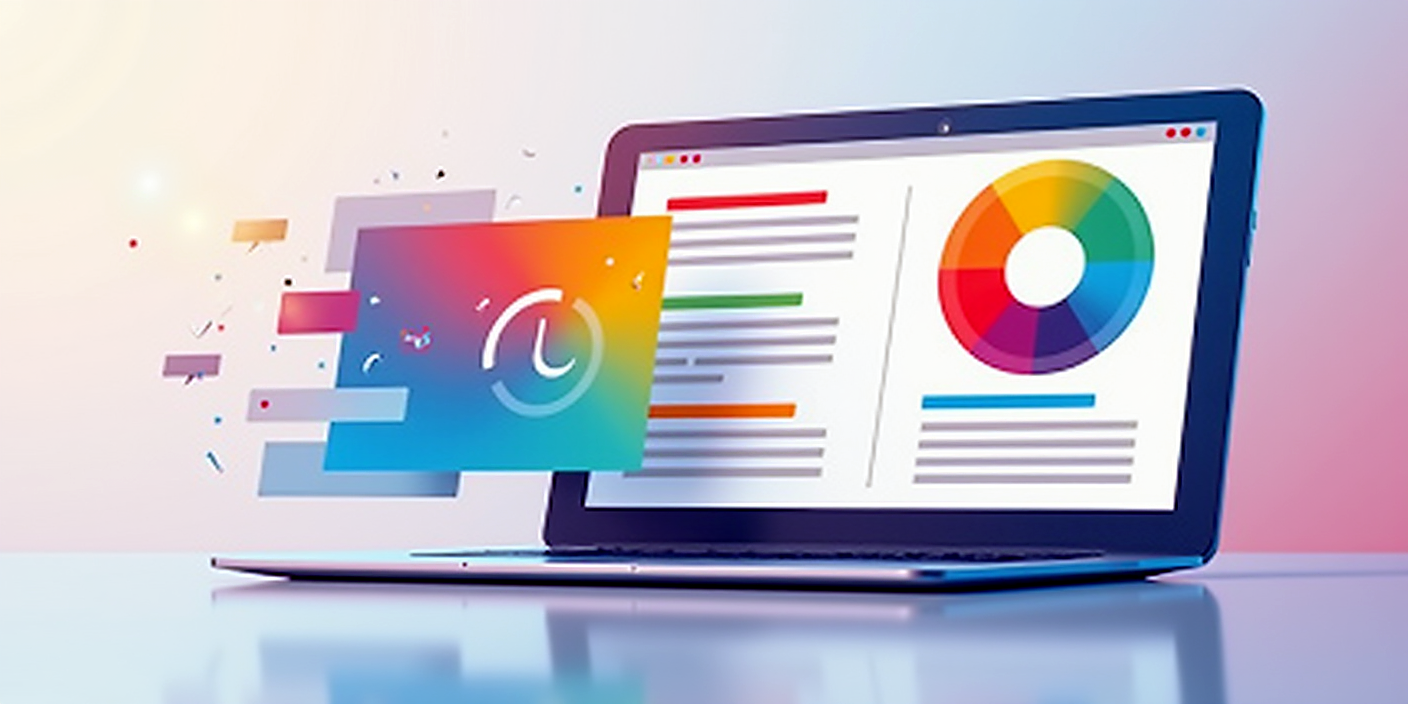
Color psychology in UX design: Secrets to attracting users
Color psychology in UX design is important for attracting users. Learn how to improve your experience with colors.
Introduction
In UX design, color psychology plays an important role. Colors are powerful tools that enhance communication with users and influence their emotions.
In this article, we discuss the psychological impact of colors and how they can be effectively applied in UX design.
Colors and Their Meanings
Each color has its own unique meaning and can control user emotions. Colors convey a brand's message and feelings.
- Red: excitement, energy, and urgency.
- Green: peace, nature, and stability.
- Blue: trust, professionalism, and reliability.
- Bright yellow: creativity, interest, and action.
Colors and Attracting Users
Colors play an important role in attracting users to the interface. The right color combination can further improve user experience.
For example, contrast colors help highlight important buttons or elements. This attracts users' attention.
- Contrast: for distinguishing important elements.
- Style: to reinforce brand identity.
How to Apply Colors in UX Design
To successfully use colors in UX design, it is necessary to keep a few rules in mind. These rules help improve user experience.
- Limited color palette: avoid using too many colors.
- Select colors according to purpose: determine the purpose for which you will use each color.
- Integrate colors into style: choose colors that match your brand's style.
FAQ
What is color psychology?
Color psychology is a science that studies how colors affect human emotions and behaviors. It plays an important role in attracting users in UX design.
How should you choose colors?
You need to consider your target audience and the brand's message when choosing colors. Having knowledge about the meaning and impact of each color is beneficial.
Which colors go well together?
To match colors, contrast or complementary colors should be selected. For example, blue and bright yellow complement each other.
What role do colors play in UX design?
Colors control users' emotions, attract their attention, and increase the usability of an interface.
How is the power of colors measured?
The impact of colors can be measured through tests and surveys conducted with users. User experience and opinions are important factors.
Conclusion
Color psychology plays a significant role in UX design. Choosing the right colors and applying them effectively improves user experience.
Therefore, it is necessary to be careful when working with colors and understand their impact well.
```