Computer networks: Information about basic principles and types
Learn about computer networks and their basic principles. Useful information about network types and components.
Introduction
Computer networks are an essential part of modern information technology. They consist of interconnected computers and devices, which facilitates the exchange of information and use of resources.
In this article we provide information about the basic principles, types and working mechanisms of computer networks.
Types of Computer Networks
Computer networks are divided into several categories. Among them, the most widespread ones are as follows:
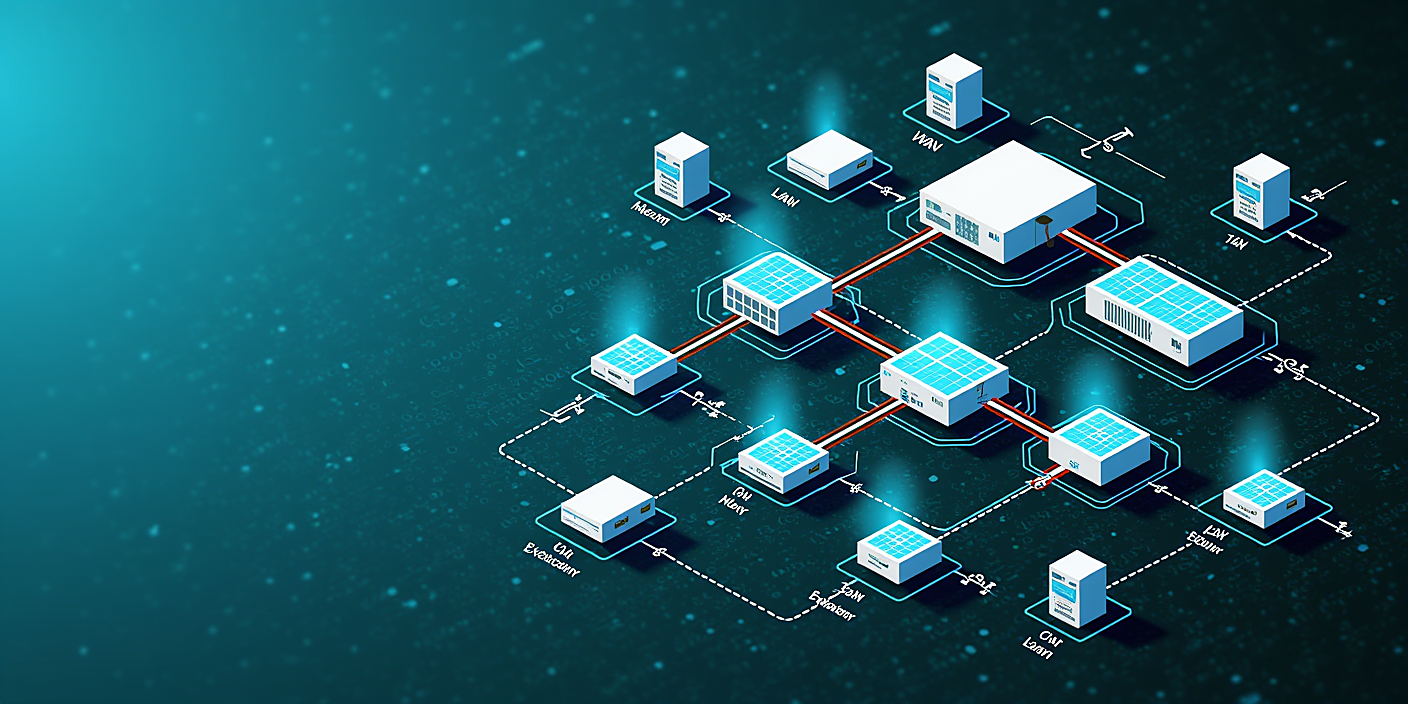
- LAN (Local Area Network) - A local network that connects devices located in one building or a small area.
- WAN (Wide Area Network) - A wide-area network that ensures communication between cities or countries.
- MAN (Metropolitan Area Network) - A metropolitan area network, usually providing services within several kilometers.
Each type of network has its own characteristics and is selected according to the purpose.
Main Components of a Computer Network
A computer network consists of the following main components:
- Clients - Devices that request or use information on the network.
- Servers - Devices responsible for storing and distributing data.
- Routers - Devices that help direct and receive data in a network.
- Switches - Provide distribution of information and ensure connections within the network.
These components work together to ensure efficient operation of the network.
Principles of Operation of Computer Networks
Computer networks are based on several basic principles:
- Protocols - A set of rules for exchanging information over a network.
- IP addresses - Each device has its own unique address in the network.
- Data transfer speed - The data transfer rate on the network determines the efficiency of the network.
Fulfilling these principles ensures efficient operation of the network.
FAQ
1. What are the main functions of computer networks?
Their main function is to ensure information exchange, use of resources and communication between devices.
2. What is the difference between LAN and WAN?
LAN operates in a local area while WAN operates over a wide area (between cities or countries).
3. What are network protocols?
A set of rules used during data transmission and reception processes.
4. How do IP addresses work on the network?
The IP address is a unique identifier assigned to each device and plays an important role in directing data on the network.
5. What are network components and what are their functions?
Network components include clients, servers, routers, and switches, each performing its own function in transmitting and receiving data.
Conclusion
Computer networks play an important role in our modern lives. They enable fast and easy exchange of information and ensure efficient operation by connecting various devices. This article provides a brief overview of network types, components, and operating principles.