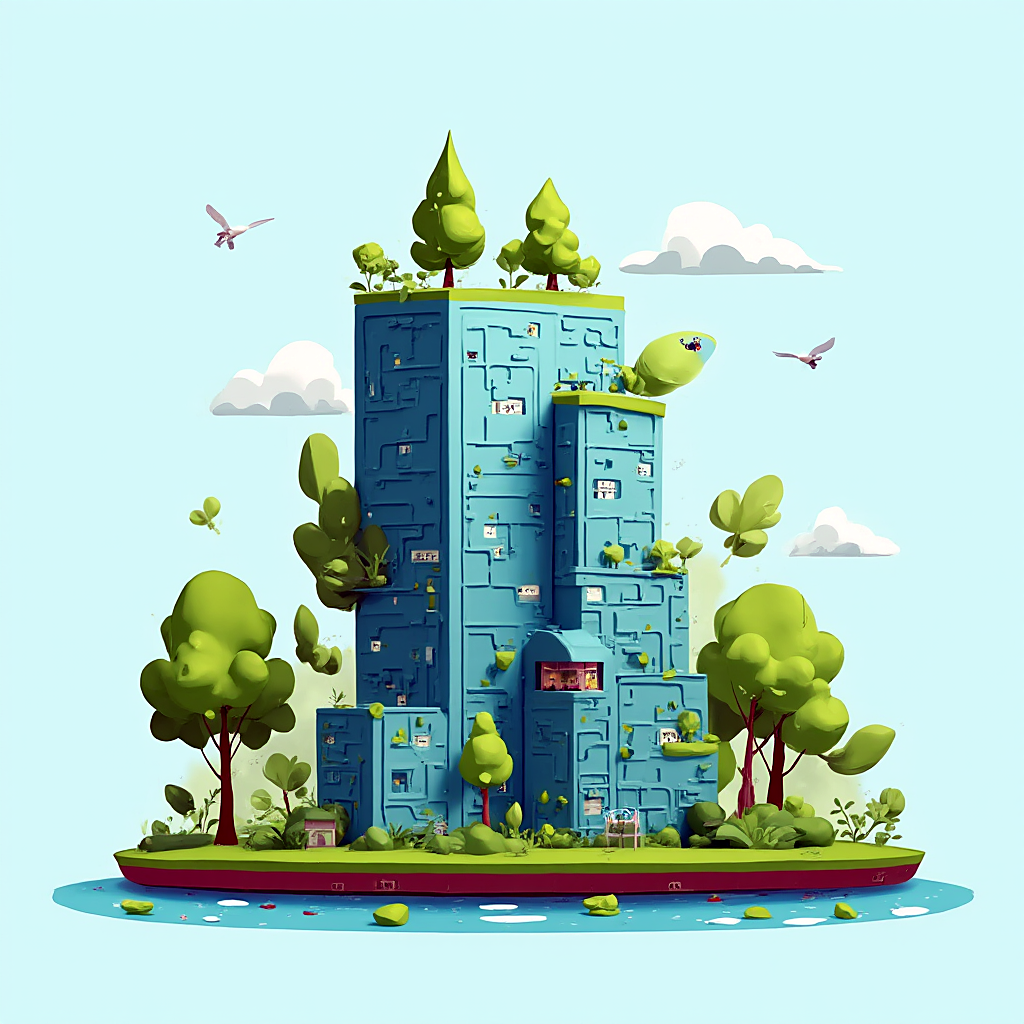
Green architecture: ecological sustainability and energy efficiency
Green architecture ensures ecological sustainability and energy efficiency. This article provides information about its main concepts and practices.
Sustainable Architecture: Introduction
Sustainable architecture is an important part of modern architecture. This concept aims to ensure ecological sustainability, energy efficiency and the rational use of natural resources.
In this article we examine the basic concepts and practices of sustainable architecture as well as analyze its importance and future trends.
Basic Concepts of Sustainable Architecture
Sustainable architecture is based on several key concepts. These concepts help make buildings ecologically clean and energy efficient.
- Building location: The building's location and its impact on the surrounding environment are considered.
- Materals: Using natural and recyclable materials is important.
- Energy efficiency: Reducing energy consumption and using renewable energy sources.
Sustainable Architecture Practices
Sustainable architecture practices include many innovative approaches during the design and construction of buildings. All these are aimed at ensuring ecological sustainability.
- Reneable energy sources: Using solar and wind energy.
- Energy efficiency: Implementing energy-saving technologies in rural areas.
- Green roofs: Reducing energy consumption by placing plants on building sides.
The Importance of Sustainable Architecture
The importance of sustainable architecture is not only seen in solving ecological problems, but also in bringing economic and social benefits.
This approach helps improve the relationship between people and their environment. In addition, sustainable architecture plays an important role in developing urban infrastructure as well.
FAQ
What is Sustainable Architecture?
Sustainable architecture is an architectural approach aimed at ensuring ecological sustainability and energy efficiency.
What are the basic concepts of sustainable architecture?
The basic concepts of sustainable architecture include building location, materials, and energy efficiency.
What practices does sustainable architecture involve?
Sustainable architecture involves using solar and wind energy, implementing energy-saving technologies, and green roofs among other practices.
Is there an economic benefit to sustainable architecture?
Yes, sustainable architecture helps reduce energy consumption and save costs in the long term.
How will sustainable architecture develop in the future?
Sustainable architecture will continue to evolve with innovative technologies and new materials in the future as well.
Conclusion
Green architecture is an important solution for modern society. It not only helps to preserve the environment, but also contributes to economic and social development. Future green architecture trends are expected to intensify.