Rapid Prototyping Process: Effective Solutions
Rapid prototyping process allows quick and efficient product creation, enabling gathering users' ideas.
Introduction
Rapid prototype development process enables quick and efficient product creation in line with modern technologies and market demands. This process is widely used especially in software, engineering and design fields.
Prototype development is very important to test the functionality of an idea before implementing it. With this process you can quickly get user feedback and improve your product.
Stages of Prototype Development Process
The rapid prototype development process consists of several key stages:
- Research and Planning
- Prototype Creation
- Testing and Analysis
- Refinement
Research and Planning
In this stage you focus on market requirements, user needs and competitors. Usually the following actions need to be performed:
- Conducting user research
- Performing market analysis
- Crafting a plan that meets changing demands
Prototype Creation
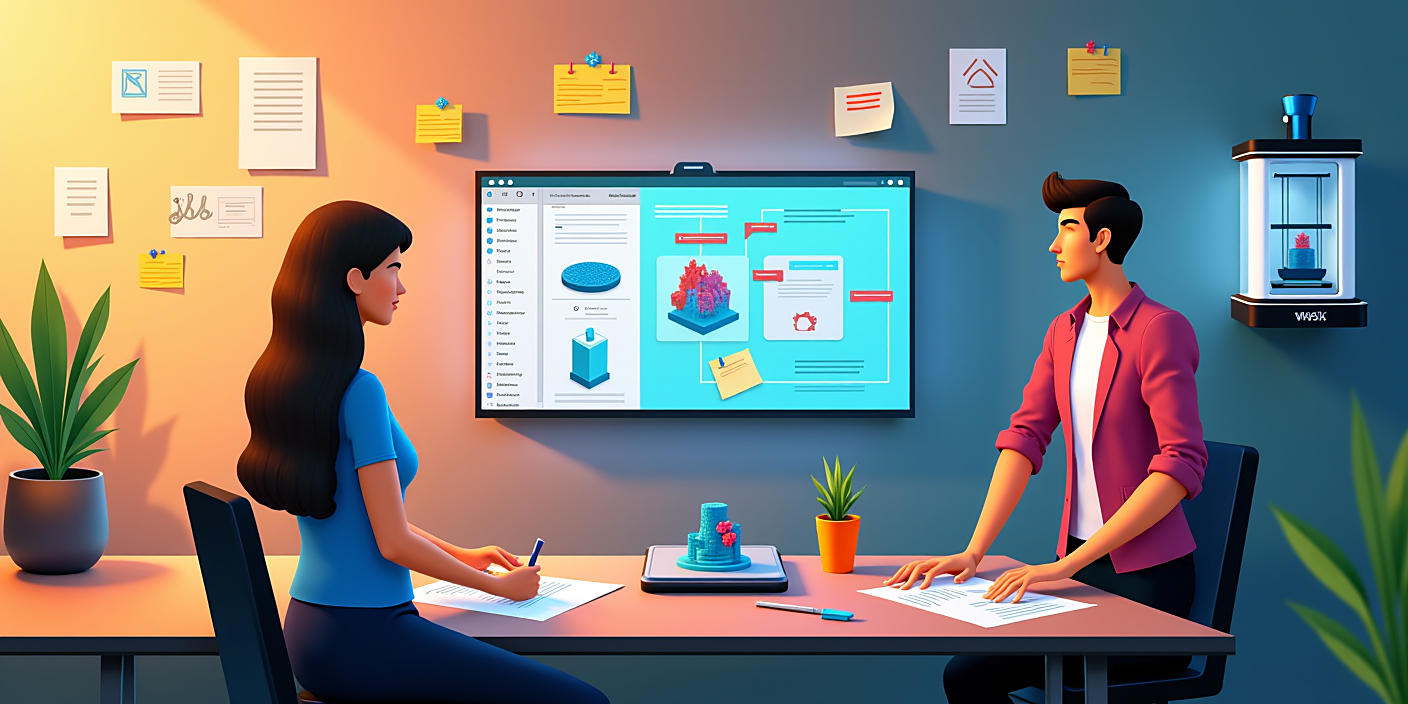
In this stage you create the initial model. This model should meet users' basic needs. You can use the following methods:
- Paper prototypes
- Interactive wireframes
- 3D models
Testing and Analysis
Once the prototype is ready, it's important to test it and collect user feedback. With this process you can identify existing problems in the prototype and find solutions for them.
The following approaches may be used during testing:
- User tests
- Interviews
- Surveys
Refinement
Based on the results of testing and analysis, you start refining the prototype. During this process it is very important to take into account feedback received from users.
The refinement process includes the following steps:
- Solving problems
- Adding new features
- Improving UX/UI design
FAQ
What does rapid prototype development mean?
Rapid prototype development is the process of quickly implementing and testing a product idea. This process allows you to get user feedback quickly.
How can I test a prototype?
To test a prototype, you can involve users by conducting interviews or surveys with them.
What methods are available for creating prototypes?
In the process of creating prototypes, you can use methods such as paper prototypes, interactive wireframes and 3D models.
What stages does the improvement process include?
The improvement process includes steps such as solving problems, adding new features and improving design.
What are the advantages of prototype development?
Prototype development allows you to get users' opinions and improve the product before launching it on the market. This process helps identify problems at an early stage.
Conclusion
The rapid prototyping process plays an important role in modern business and technology world. With this process, you can create a product quickly and efficiently, meet user needs and develop solutions that match market demands.