Types of databases: How to choose?
Learn about database types and factors to consider when choosing one.
Data Base Types
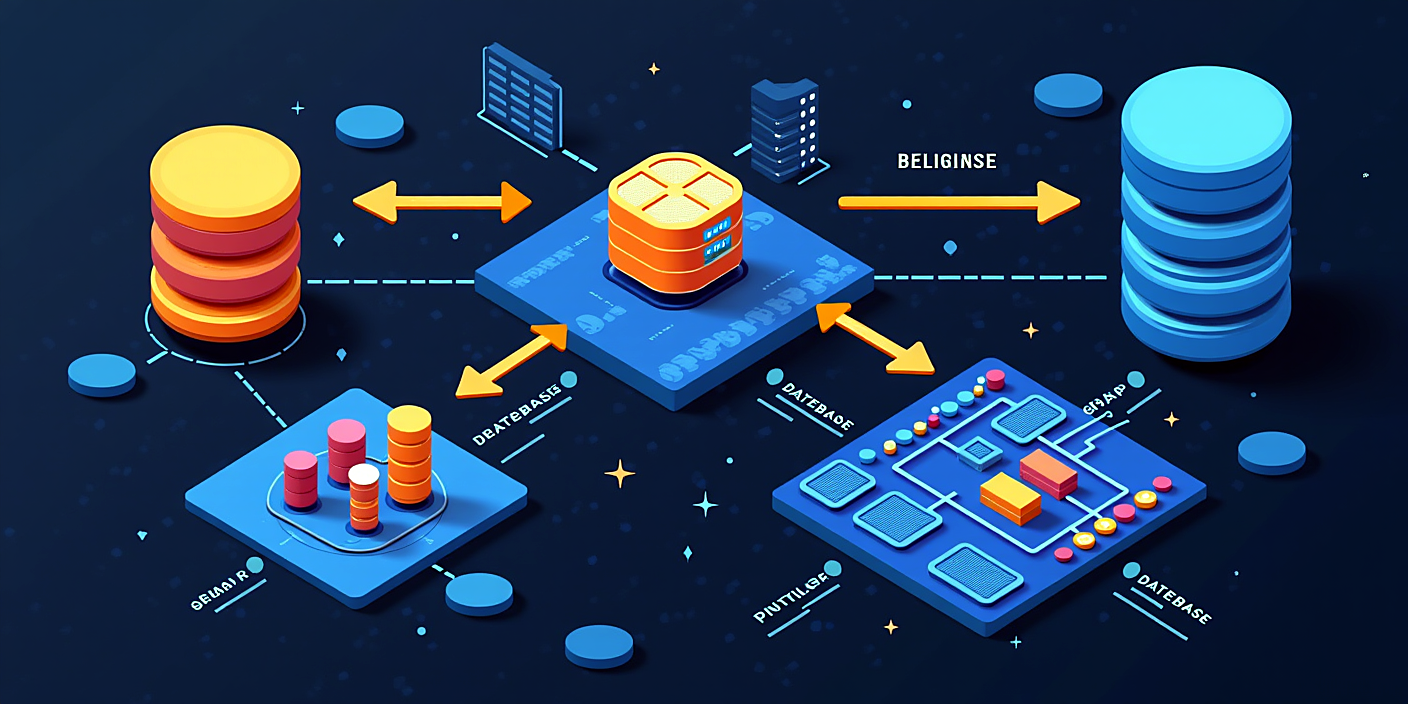
Databases are systems designed to store, manage and process various types of data. They are widely used in business, scientific research or other fields.
The following are the most common database types:
- Relational databases - Data is stored in table form and there are relationships between them.
- NoSQL databases - Designed for storing unstructured data, especially for large volumes of data.
- Object-oriented databases - Store data through objects and their interrelationships.
Data Base Selection Factors
You need to consider a number of factors when selecting a database. These factors are related to your needs and the capabilities of the database.
- Data volume - It is important to assess the size of data you want to store.
- Processing speed - If fast processing of data is required, it is necessary to choose a fast system.
- Multitasking - You need to consider the ability to serve multiple users at the same time.
NoSQL and Relational Database Comparison
Understanding differences between NoSQL and relational databases helps in making a correct choice.
- Structure: Relational databases require strict structure and tables, while NoSQL stands out with free structure.
- Data relationships: Relational systems are strong at linking data, whereas NoSQL is suitable for storing data separately.
- Data volume: NoSQL is designed to efficiently store large volumes of data, relational systems are convenient for small and medium-sized data.
FAQ
What is a Relational database?
A relational database stores data in table form and allows linking them with each other.
What advantages does NoSQL database have?
NoSQL databases are structurally flexible and allow fast processing of large volumes of data.
What is the most important factor when selecting a database?
The most important factor is the volume and speed of your data, since it must meet your requirements.
What is an object-oriented database?
An object-oriented database stores data through objects and their interrelationships.
How can you ensure database security?
Passwords, encryption, and user access control should be implemented to ensure database security.
Conclusion
Databases play a crucial role in storing and managing information. When selecting the appropriate type, it is necessary to consider their advantages and requirements.